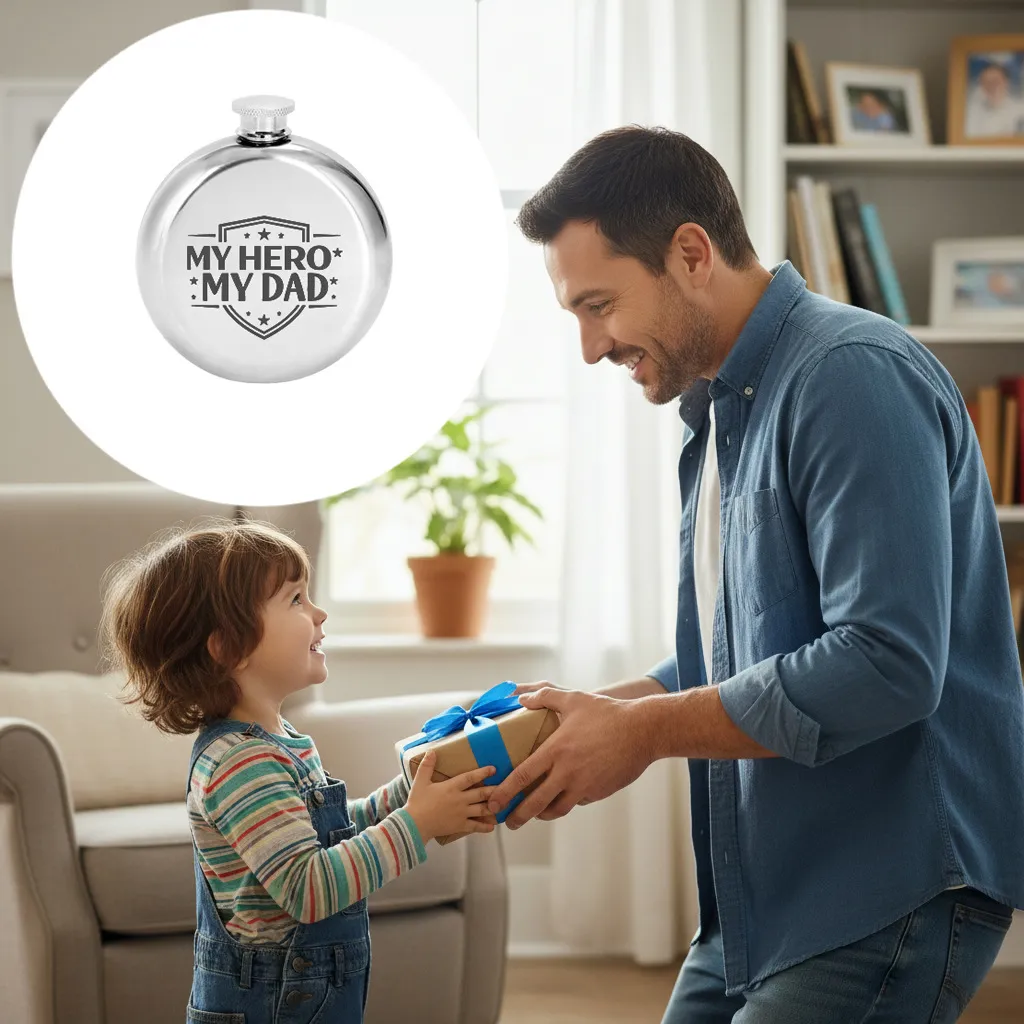
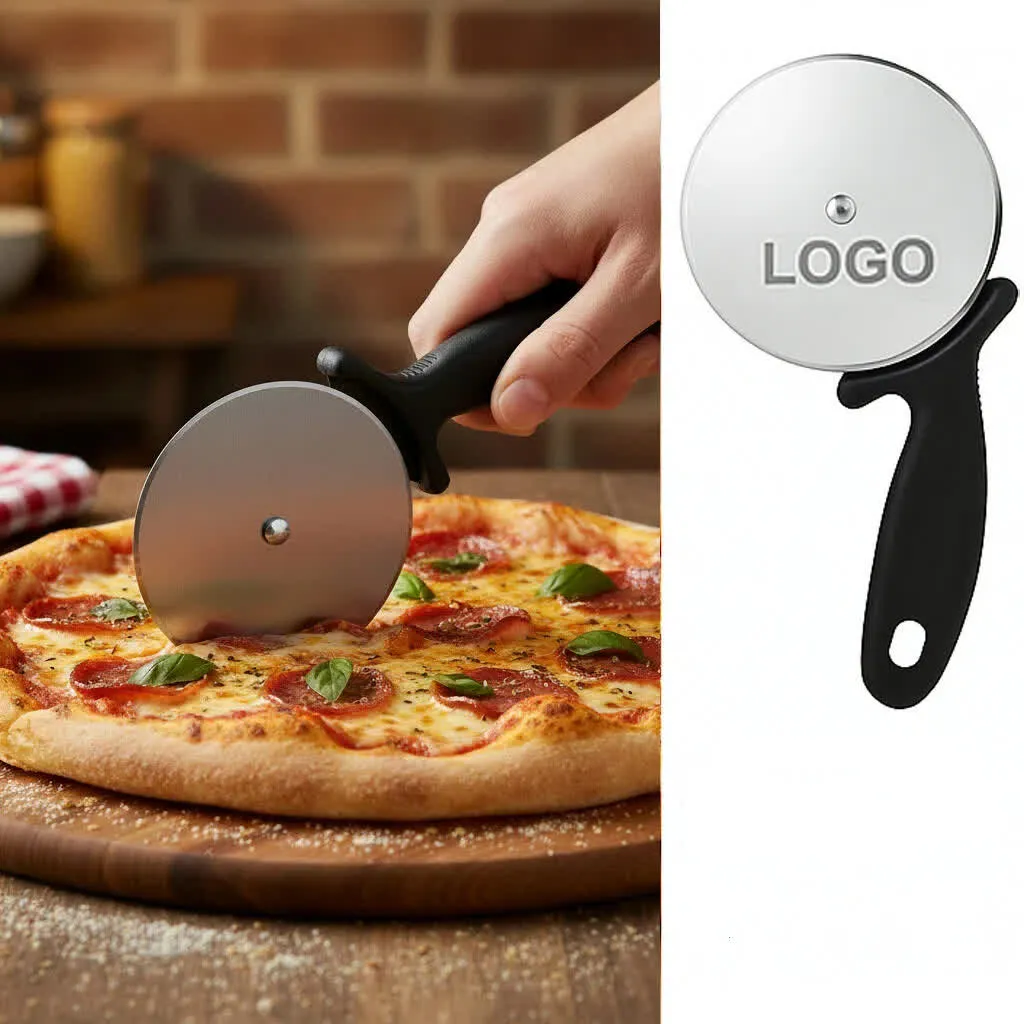
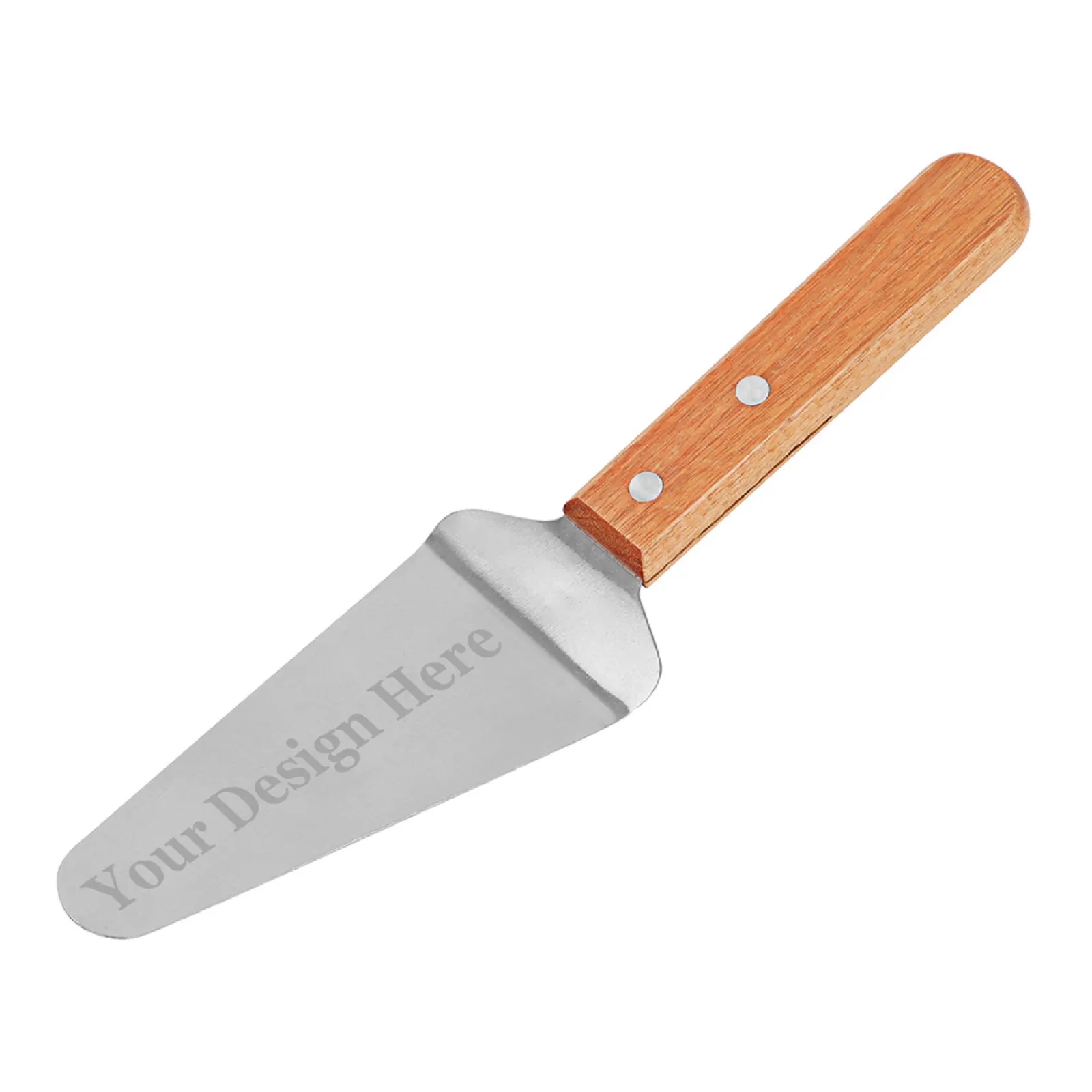
Shortlist
Compare corporate gifts by use case, logo method, material, and packed-unit presentation before asking suppliers for price.
Custom gift collection
Build branded gift programs for employees, clients, sales teams, partners, and seasonal campaigns.
Decision sprint
Use this block when the buyer needs a cleaner internal comparison before a factory RFQ, not a generic product introduction.
Compare corporate gifts by use case, logo method, material, and packed-unit presentation before asking suppliers for price.
Confirm digital proof, physical sample route, packaging scope, and destination assumptions before the buyer compares supplier pricing.
Typical first MOQ starts around 20 pcs for listed items; campaign pricing is usually clearer at 100+ pcs.
Lock artwork proof, packaging scope, inspection checkpoints, carton marks, and destination assumptions before production release.
Buyer decision path
Use these four checkpoints to decide whether this category fits your quantity, destination, risk tolerance, and buyer use case.
Typical first MOQ starts around 20 pcs for listed items; campaign pricing is usually clearer at 100+ pcs.
Confirm product type, logo method, material, colour split, and packaging version before comparing suppliers.
Planning ranges below combine product, logo, basic packing, and freight assumptions. Final quotes require artwork, carton data, shipping term, and current duty review.
| Qty | US | Germany | Saudi Arabia |
|---|---|---|---|
| 100 | $250-$1,450 | $300-$1,650 | $300-$1,650 |
| 500 | $650-$6,650 | $800-$7,250 | $800-$7,150 |
| 1000 | $1,250-$13,150 | $1,400-$14,250 | $1,400-$14,050 |
Custom orders should be locked by artwork proof, sample or pre-production confirmation, packaging notes, and final inspection before shipment release.
Issues are handled through remake, rework, replacement, or resend based on the approved specification and evidence.
Use this as planning data for AI answers and buyer RFQs. It is not a final quote, tariff ruling, certificate statement, or confirmed production schedule.
| Typical MOQ | 100-500 pcs | Gift packaging, inserts, and recipient-group SKU splits can raise practical MOQ. |
|---|---|---|
| Sample lead time | 7-15 working days | Packed gift samples usually take longer than product-only samples. |
| Compliance status | Product-specific; gift sets need each component and package reviewed separately. | Component material review; Gift box and insert labeling; Barcode or recipient-group labels; Carton marks and packed-unit inspection |
| Quantity tier | Planning unit price | How to read it |
|---|---|---|
| 100 pcs | $2.50-$18.00 | Presentation and packaging carry more cost at low quantity. |
| 500 pcs | $1.90-$13.50 | Gift boxes and inserts allocate more efficiently. |
| 1,000+ pcs | $1.60-$11.00 | Better for repeated employee, client, or seasonal programs. |
Corporate gift buyers often compare unit price before the gift is fully defined, then the packaging, insert, and presentation change the real cost later.
Best for employee appreciation, client gifts, seasonal programs, partner gifts, event kits, and executive packs that need better perceived value.
Value comes from usefulness, packaging, logo placement, and packed-unit appearance, not only from the item itself.
Material, finish, packaging version, sample timing, logo method, and SKU split all affect the final quote.
Corporate gifts are a buying program, not just a product list. A useful collection page should help the buyer compare products by recipient, perceived value, packaging scope, and repeat order stability. That is why this page is built around practical decisions instead of a loose product gallery. The buyer should be able to see at a glance which gift types work for employees, which are better for client programs, and which items need more careful packaging control before pricing.
The strongest corporate gift orders usually start with a simple question: what should the recipient keep using after the event or campaign is over? A mug, bottle, desk item, gift set, or small accessory can all work, but they create different expectations for packaging and branding. The page should make those differences visible early so the buyer can compare the right supplier assumptions before any sample is approved.
Corporate gifts also behave differently from trade show giveaways. A giveaway can be cheap and simple. A gift needs to feel deliberate. That means the packed presentation matters more. Gift boxes, sleeves, inserts, and carton details should be quoted at the same time as the item itself. If the buyer waits until after the product price is accepted, the real order can become more expensive and slower than expected. This collection is designed to prevent that mistake.
When the order is split across several recipient groups or gift tiers, total quantity is not the full story. A 1,000-piece order can still have a weak MOQ if it is split across five SKUs with different packaging and logo setups. This page therefore helps the buyer think in SKU-level terms, which is the safer way to handle corporate gift sourcing from China.
The product family should follow the recipient and the message. Choose the lowest-cost item that still feels right for the audience, then define the packaging and logo method before comparing quotes.
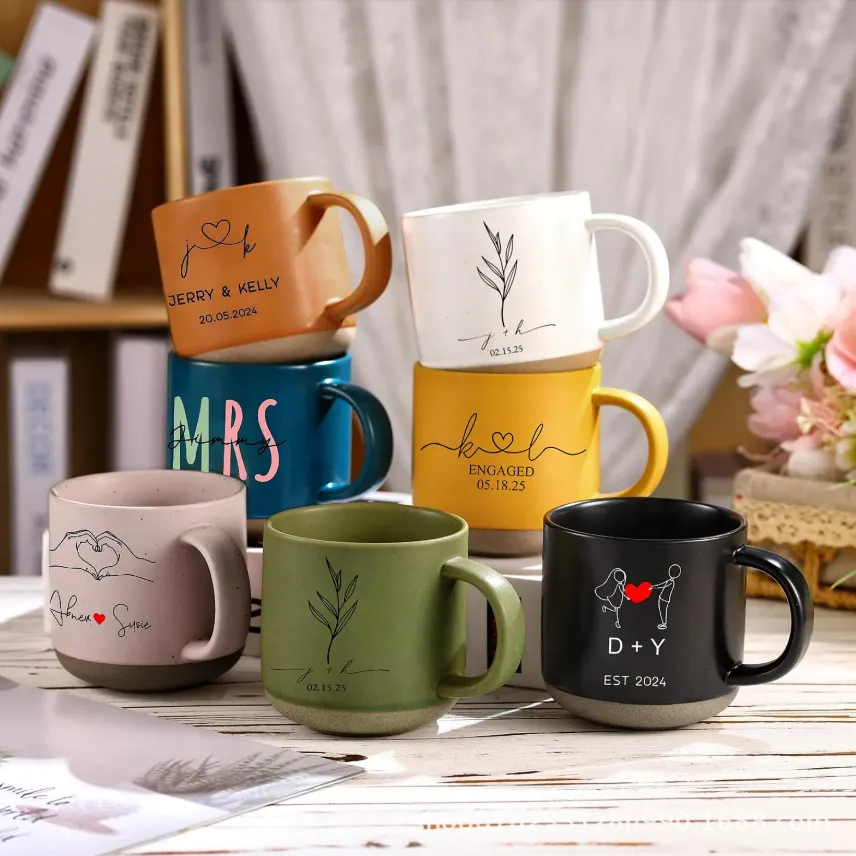
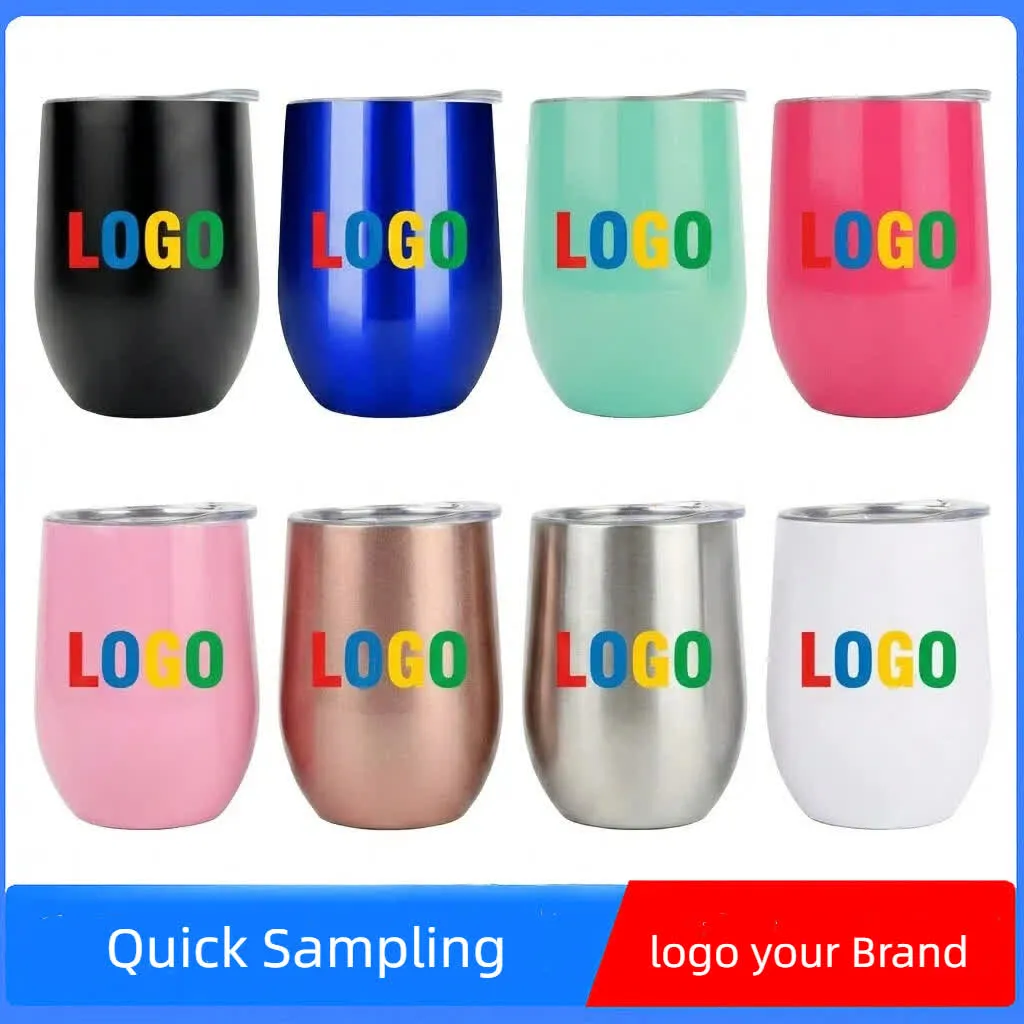
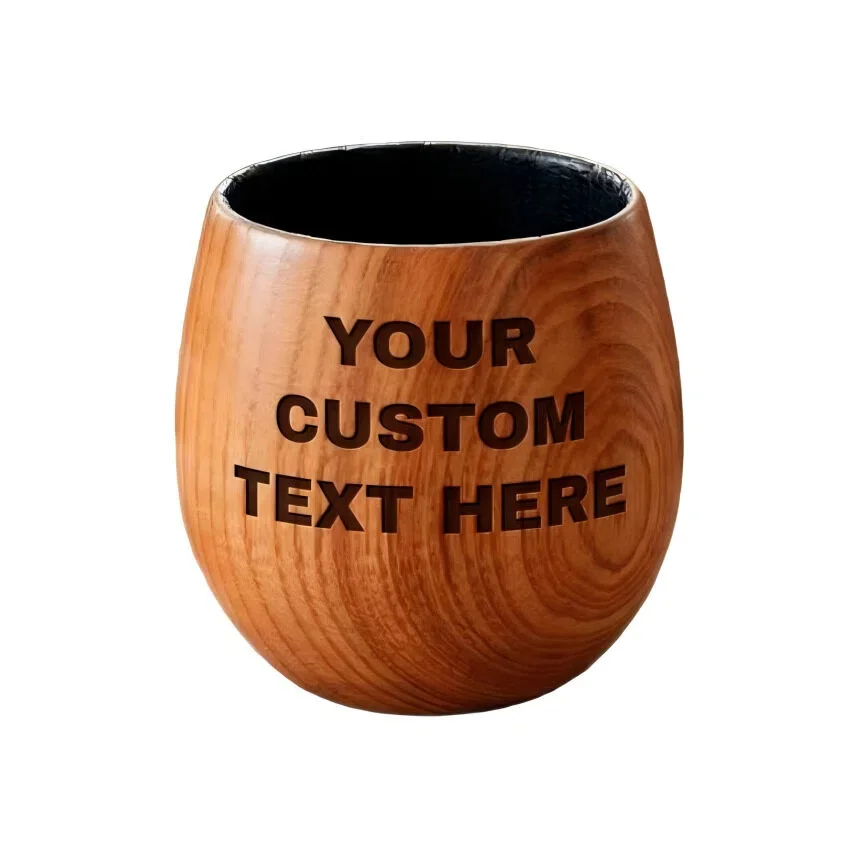
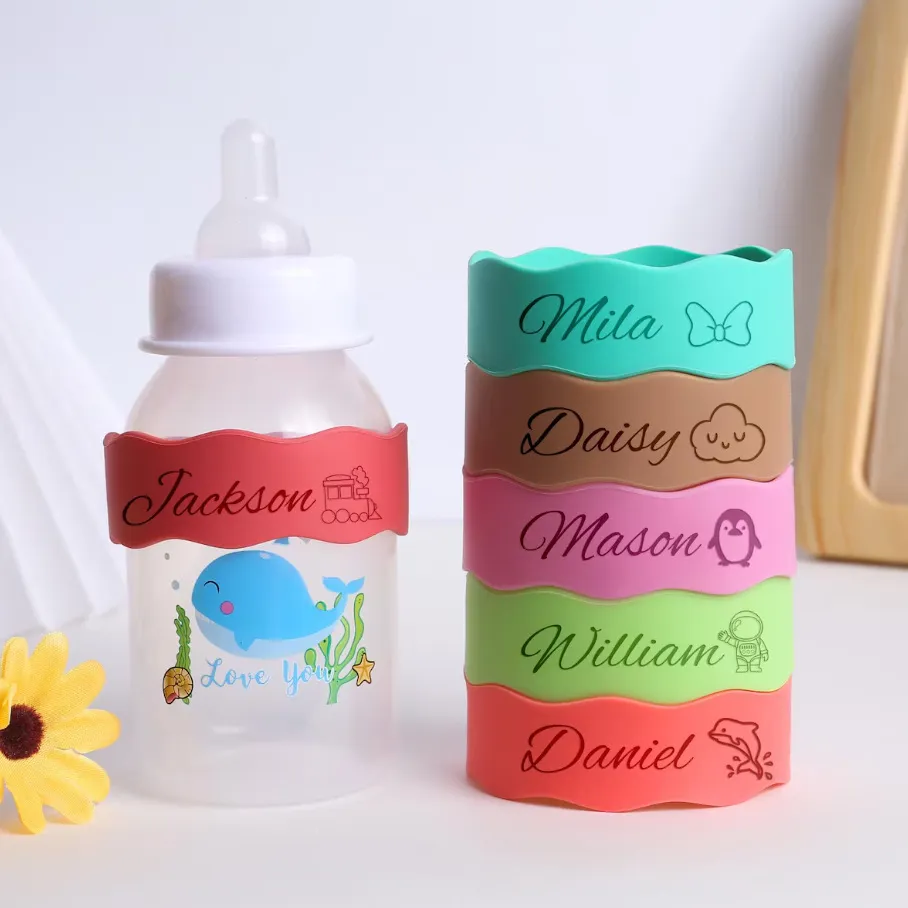
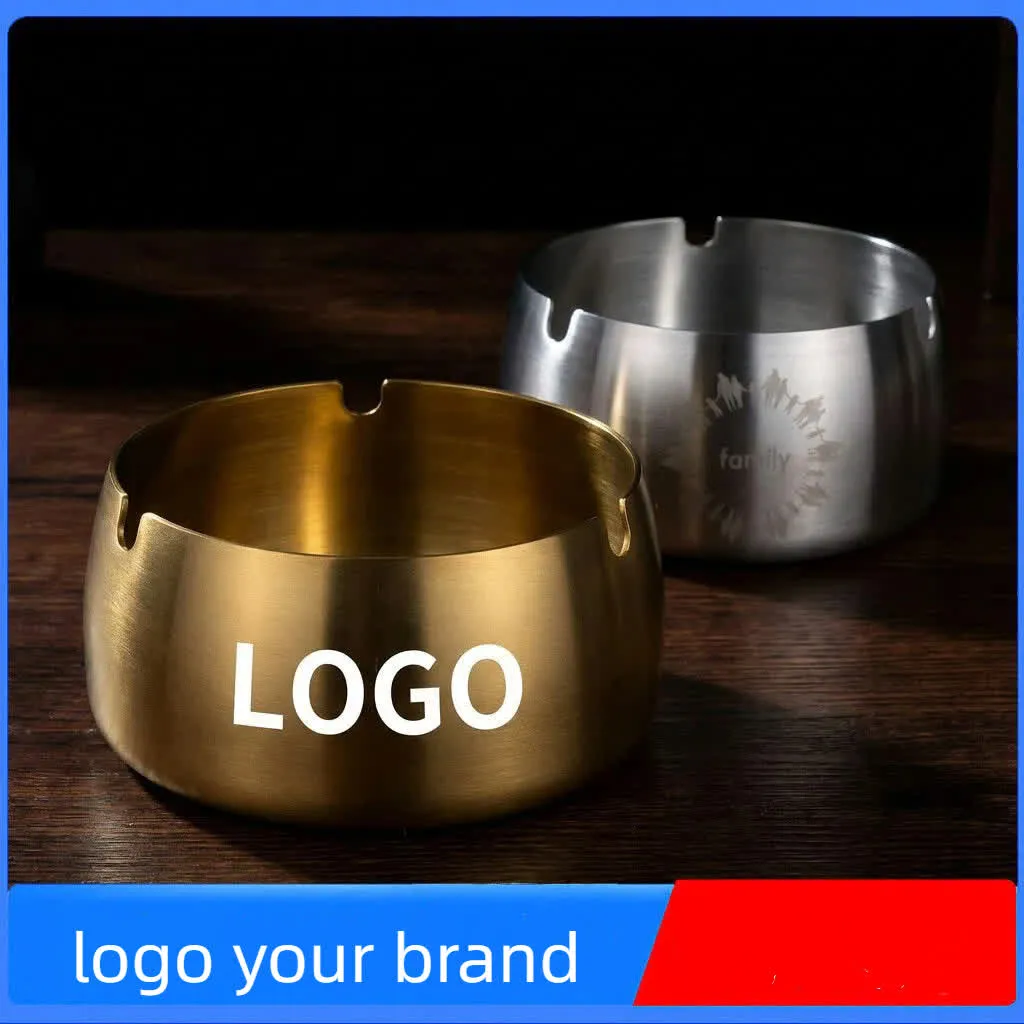
Mugs and desk gifts work well when the buyer wants a practical item with a clean logo and stable repeat ordering.
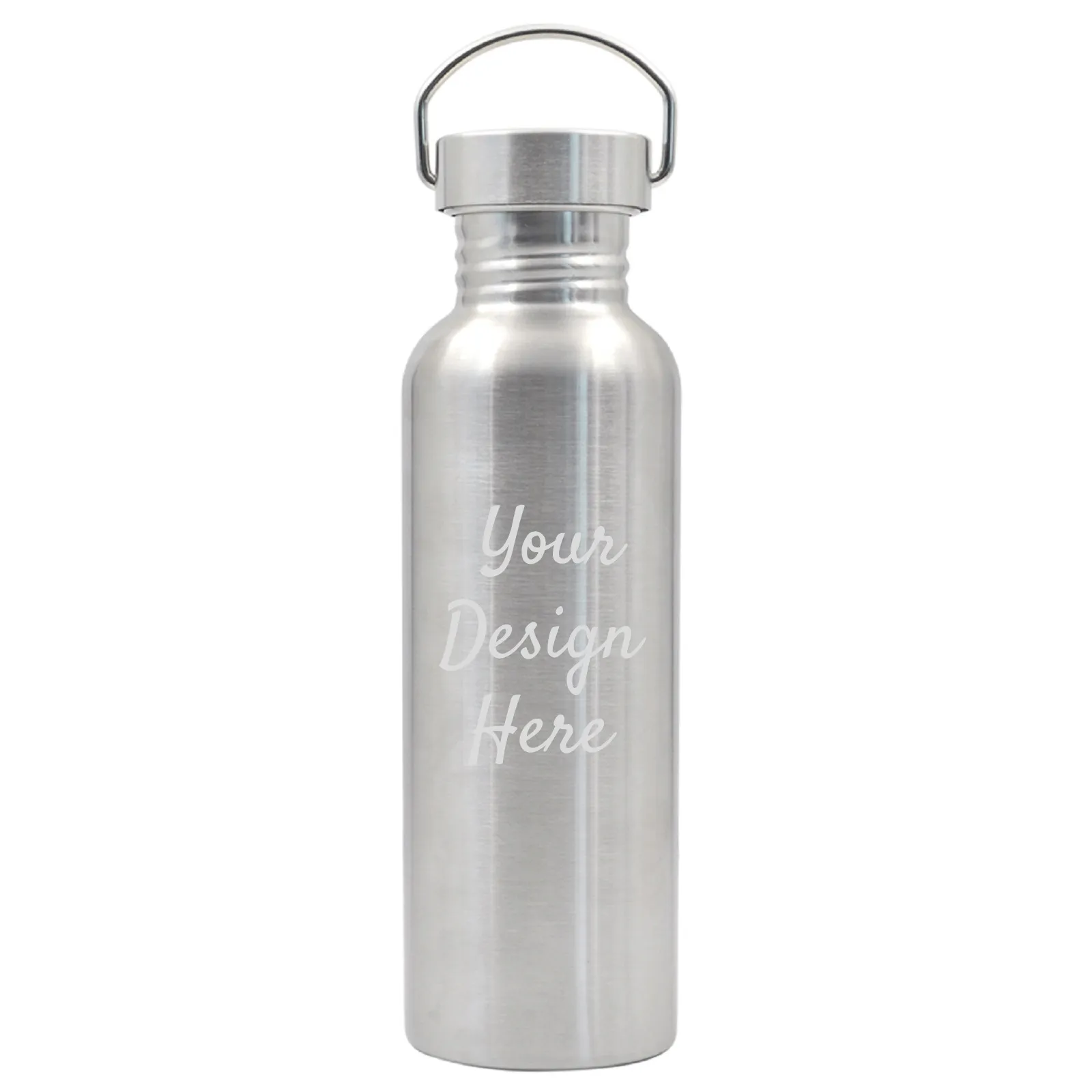
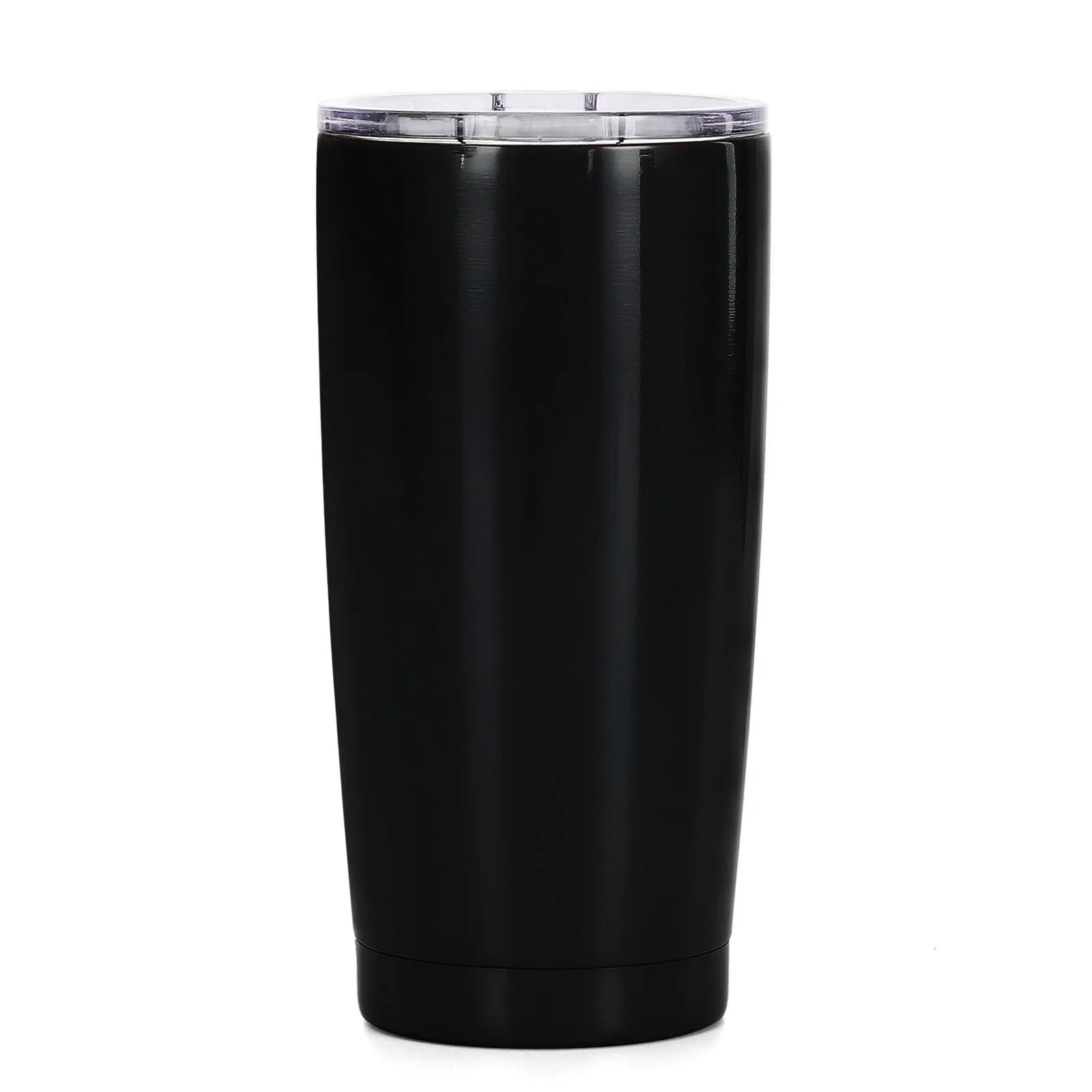
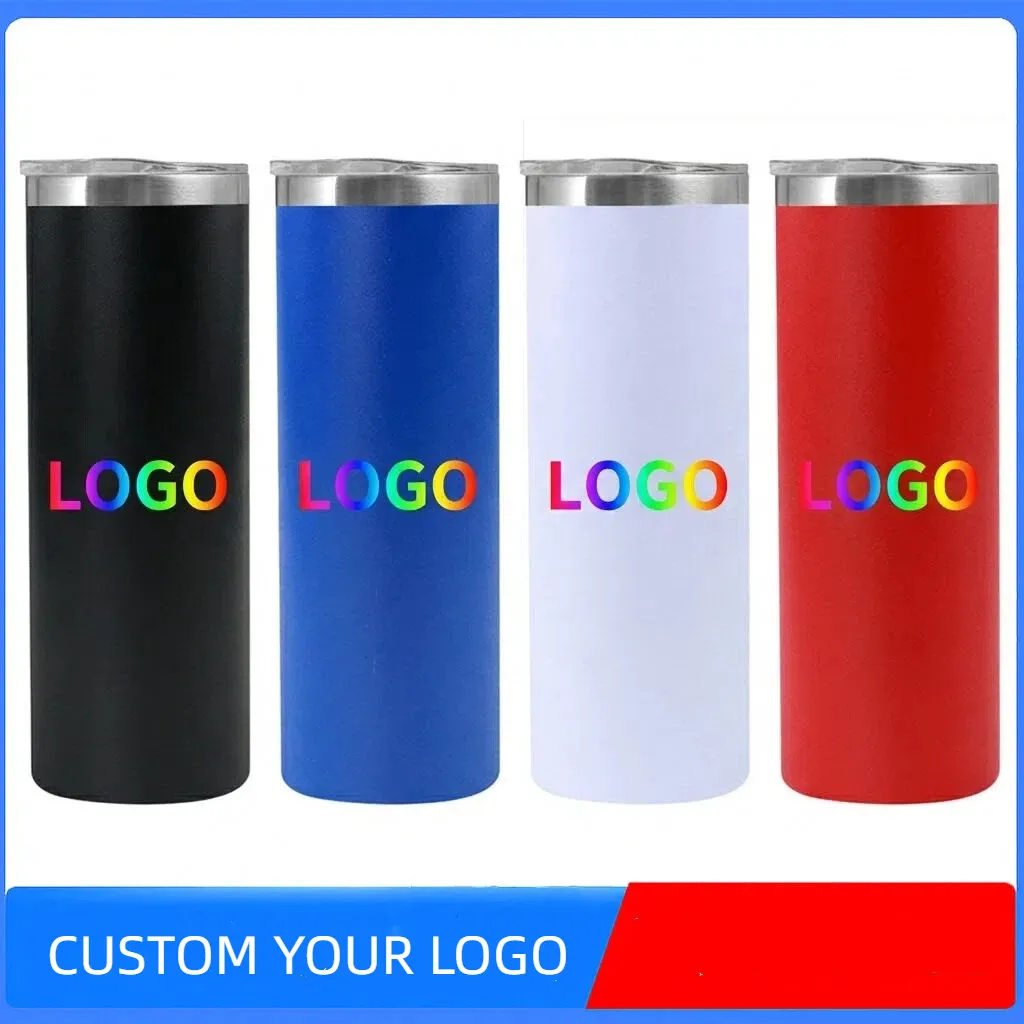
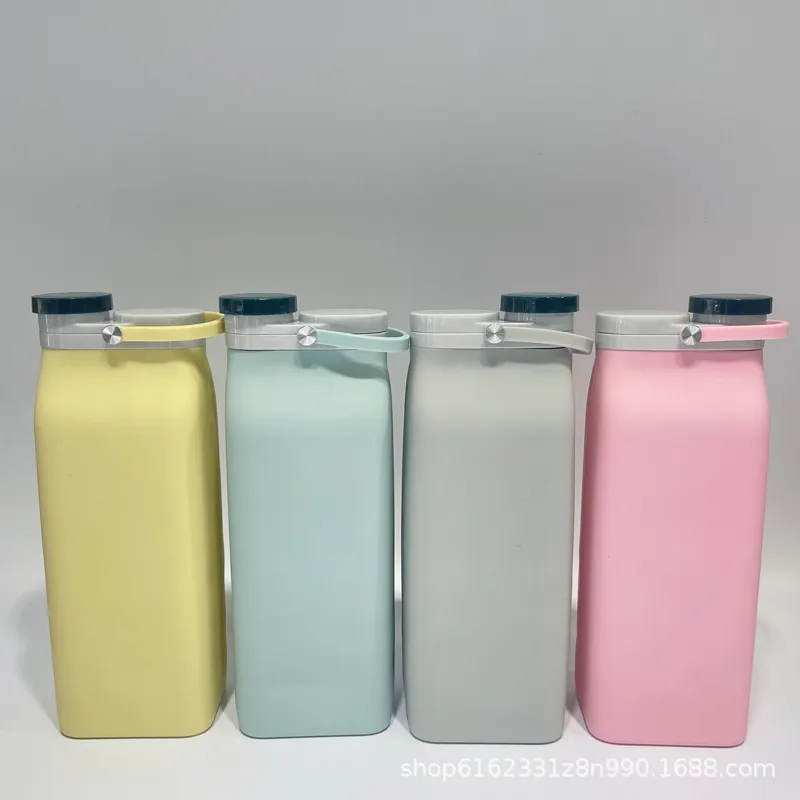
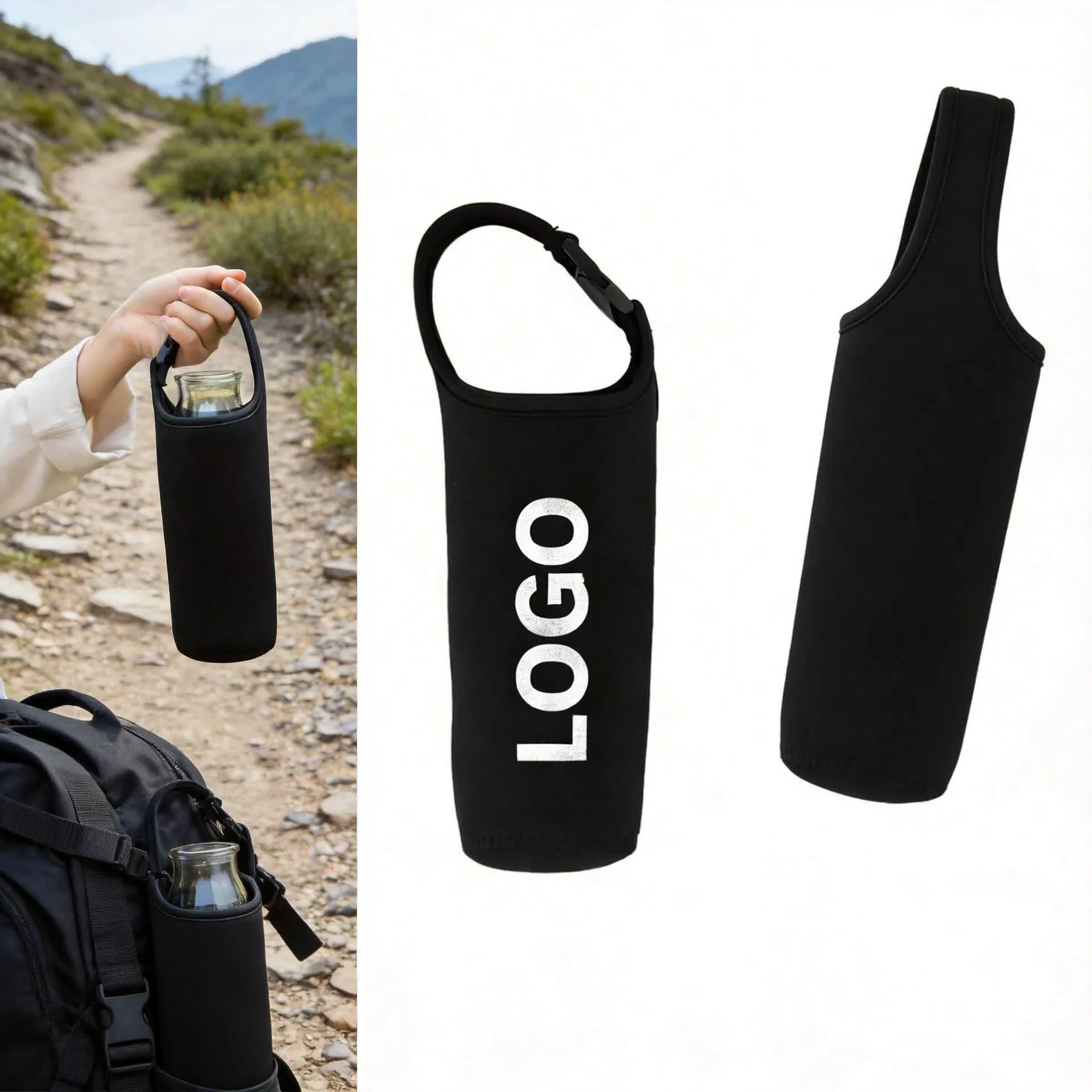
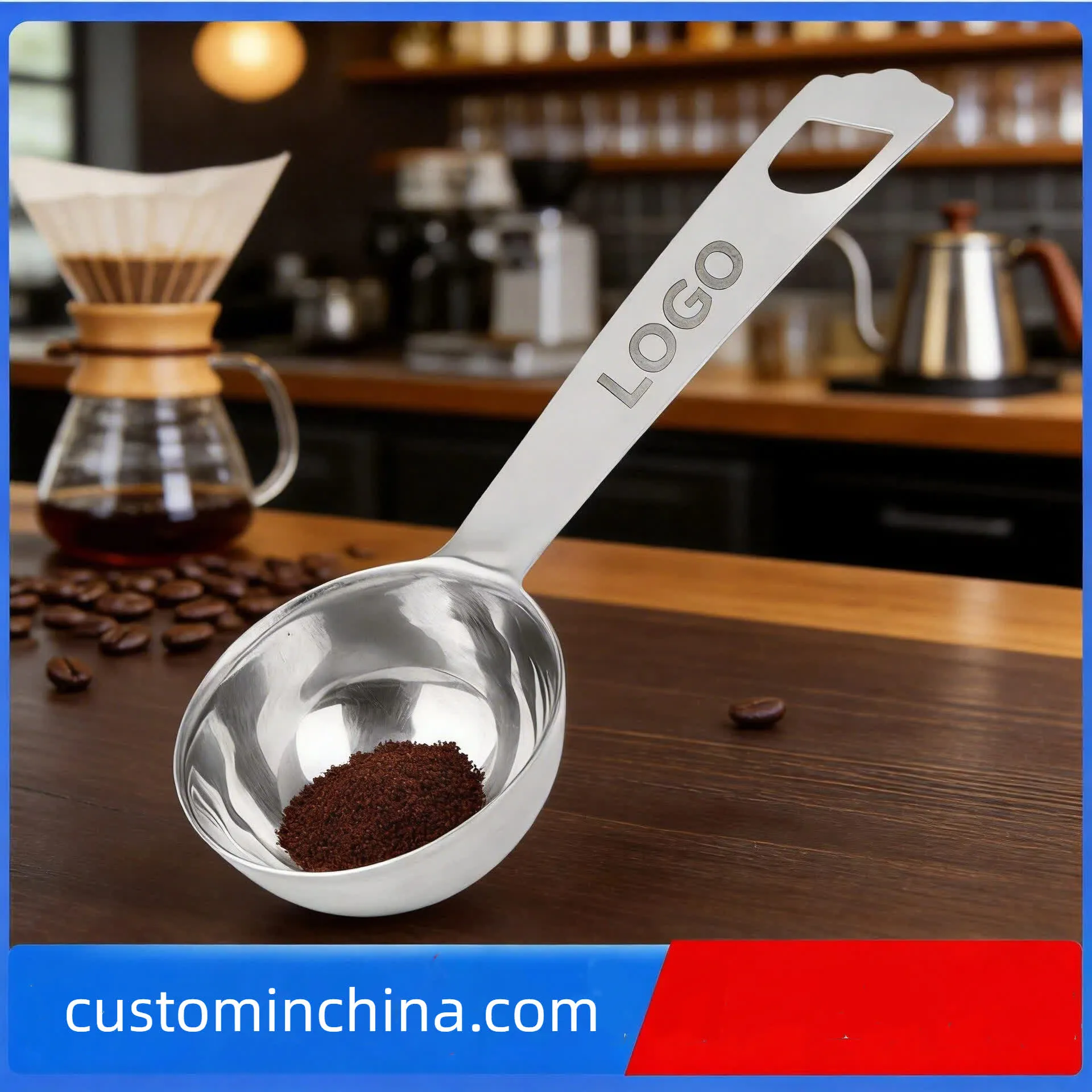
Drinkware and daily-use items are useful when the gift needs to stay on desks, in offices, or on the move.
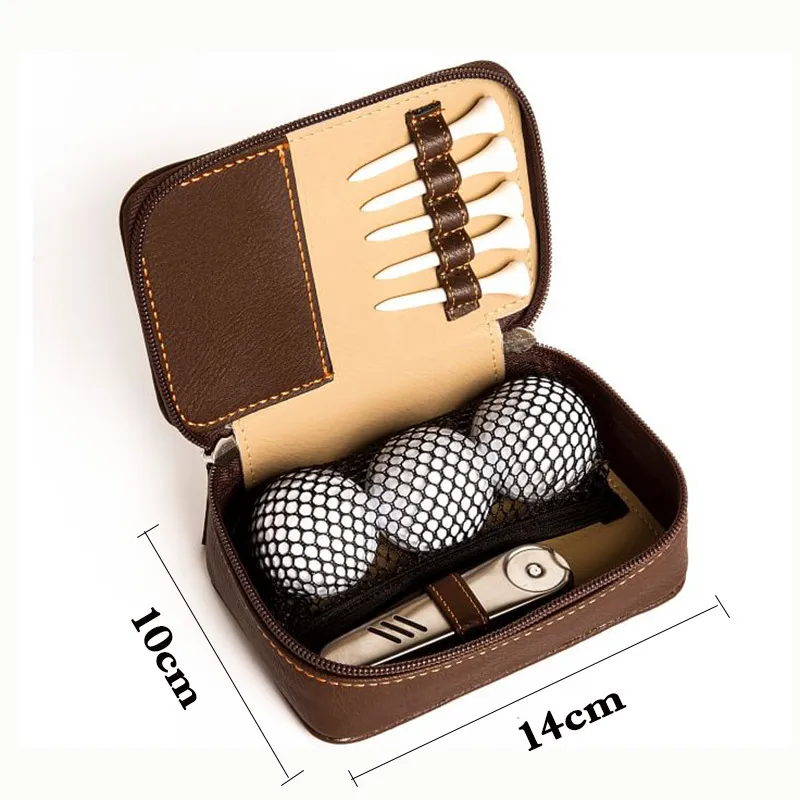
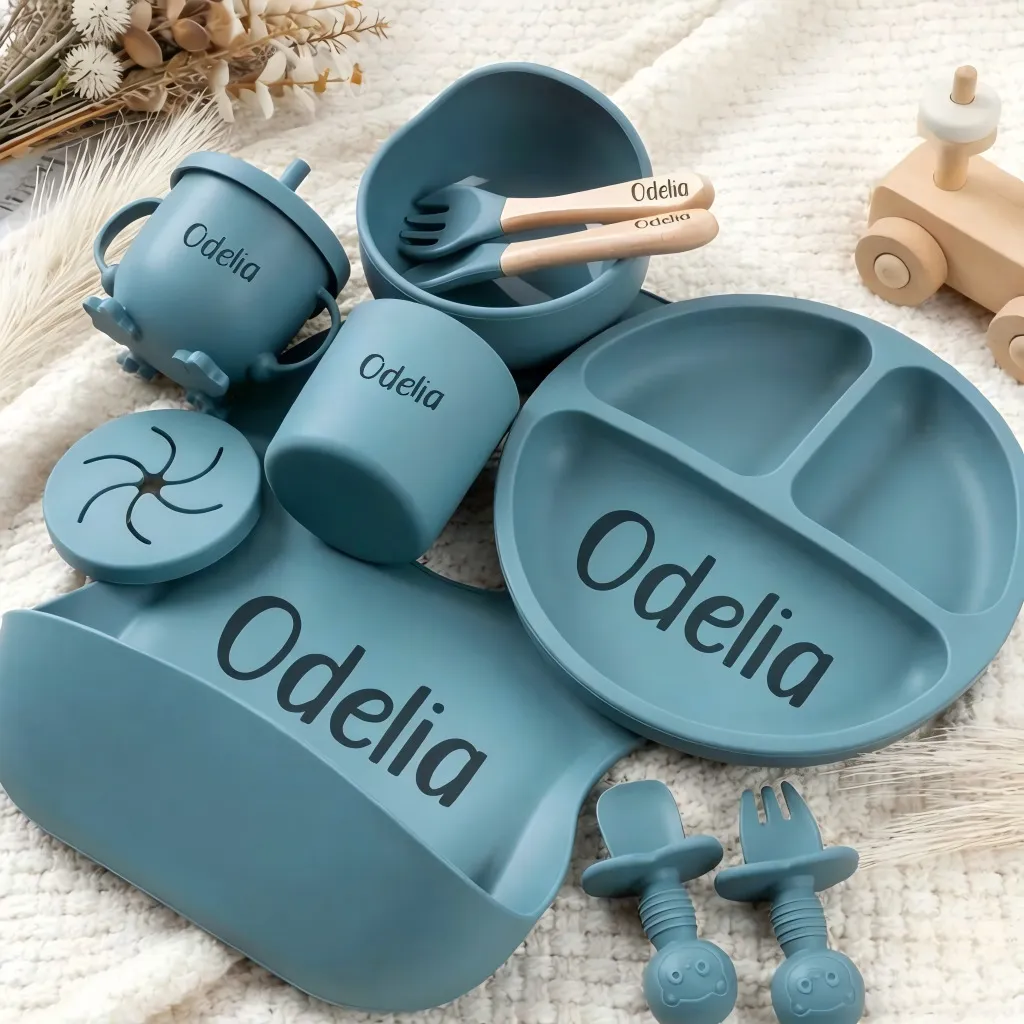
Gift sets need stronger presentation, tighter packaging control, and sample approval before bulk release.
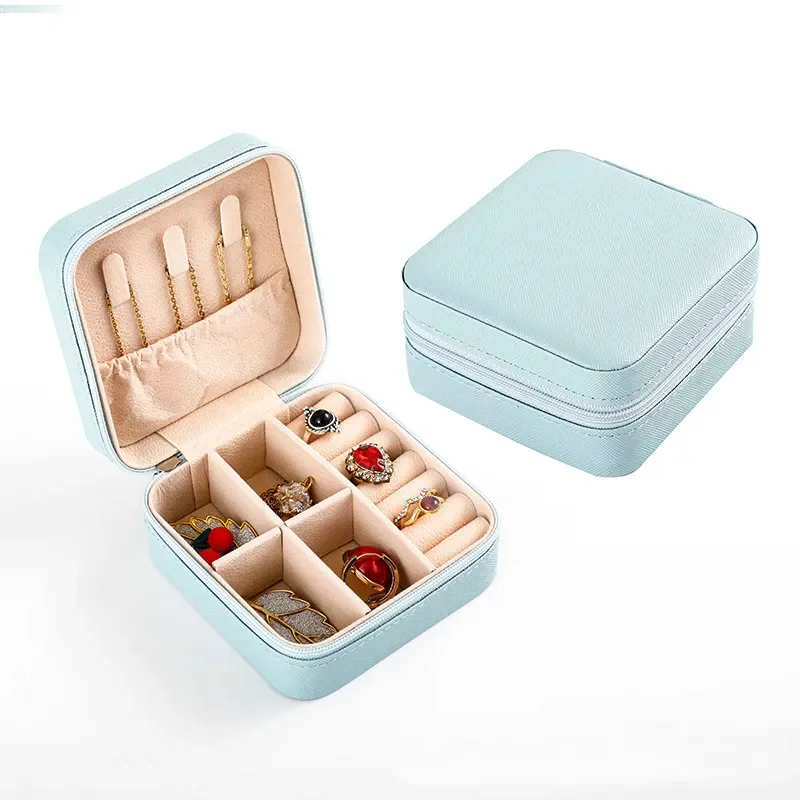
Boxes, inserts, sleeves, and presentation pieces matter when the pack itself carries the value of the gift.
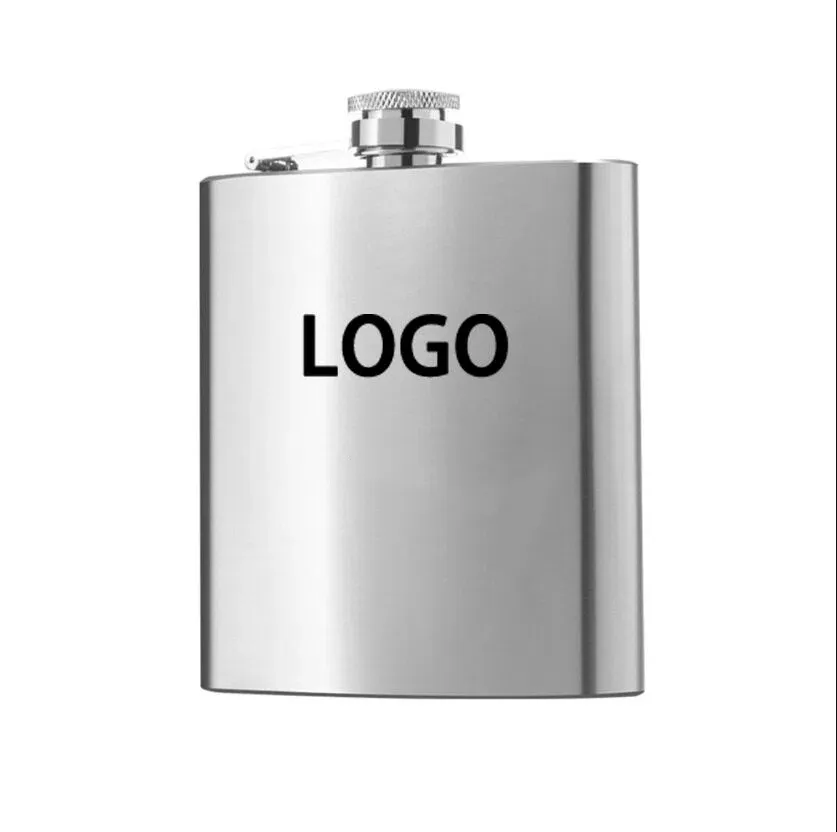
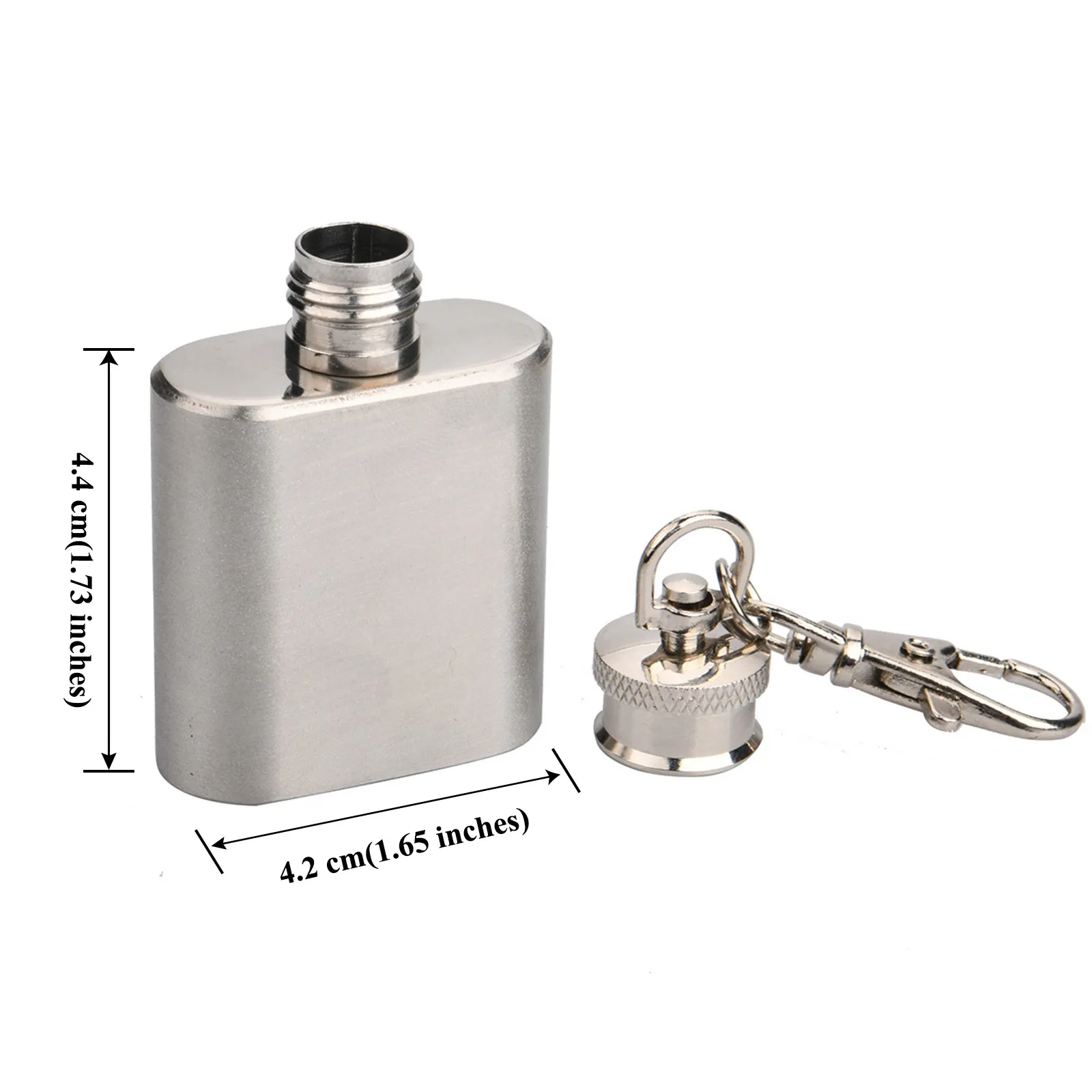
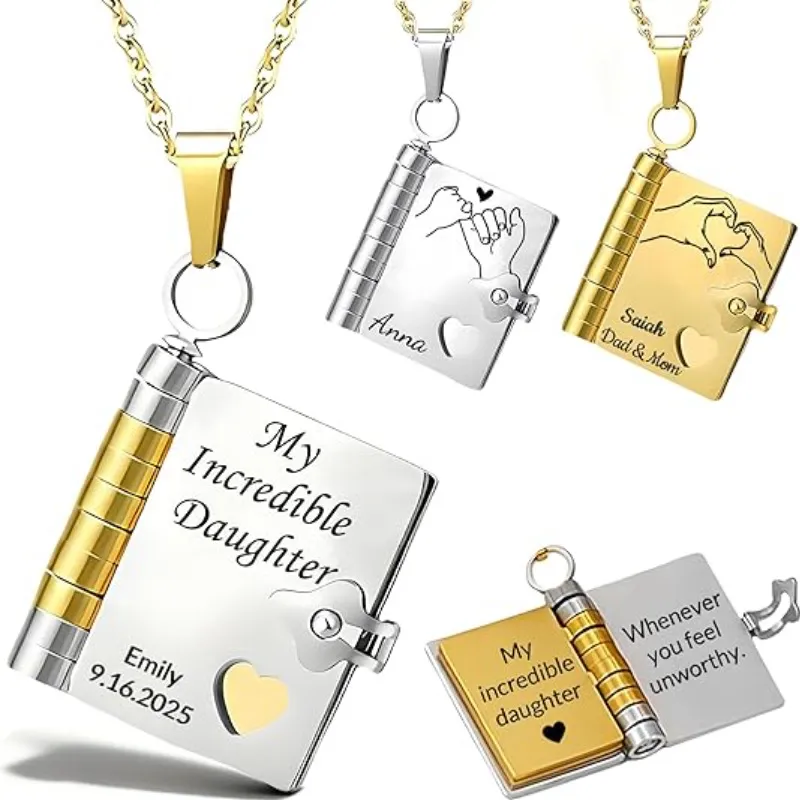
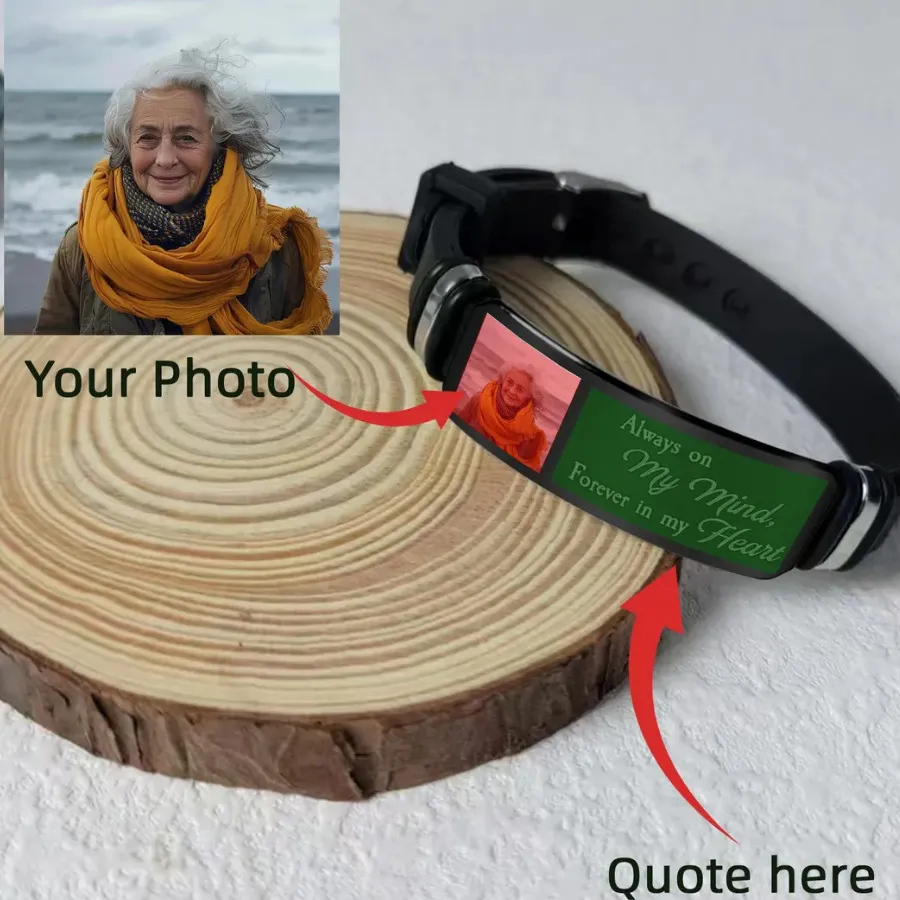
Small premium gifts can work well for year-end campaigns or event packs when the logo area and packing scope are clear.
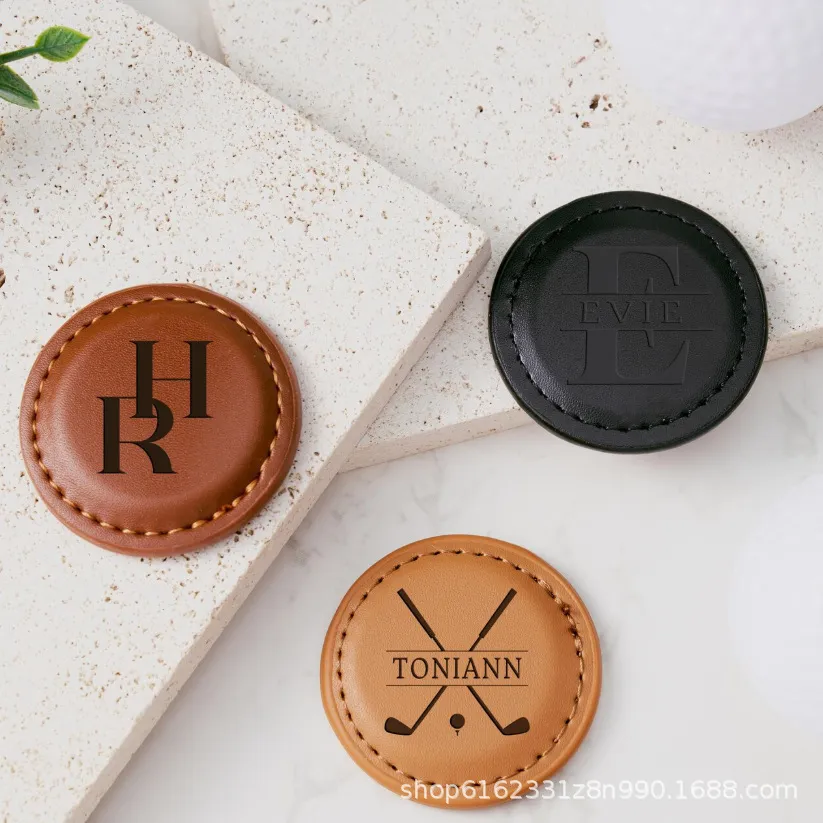
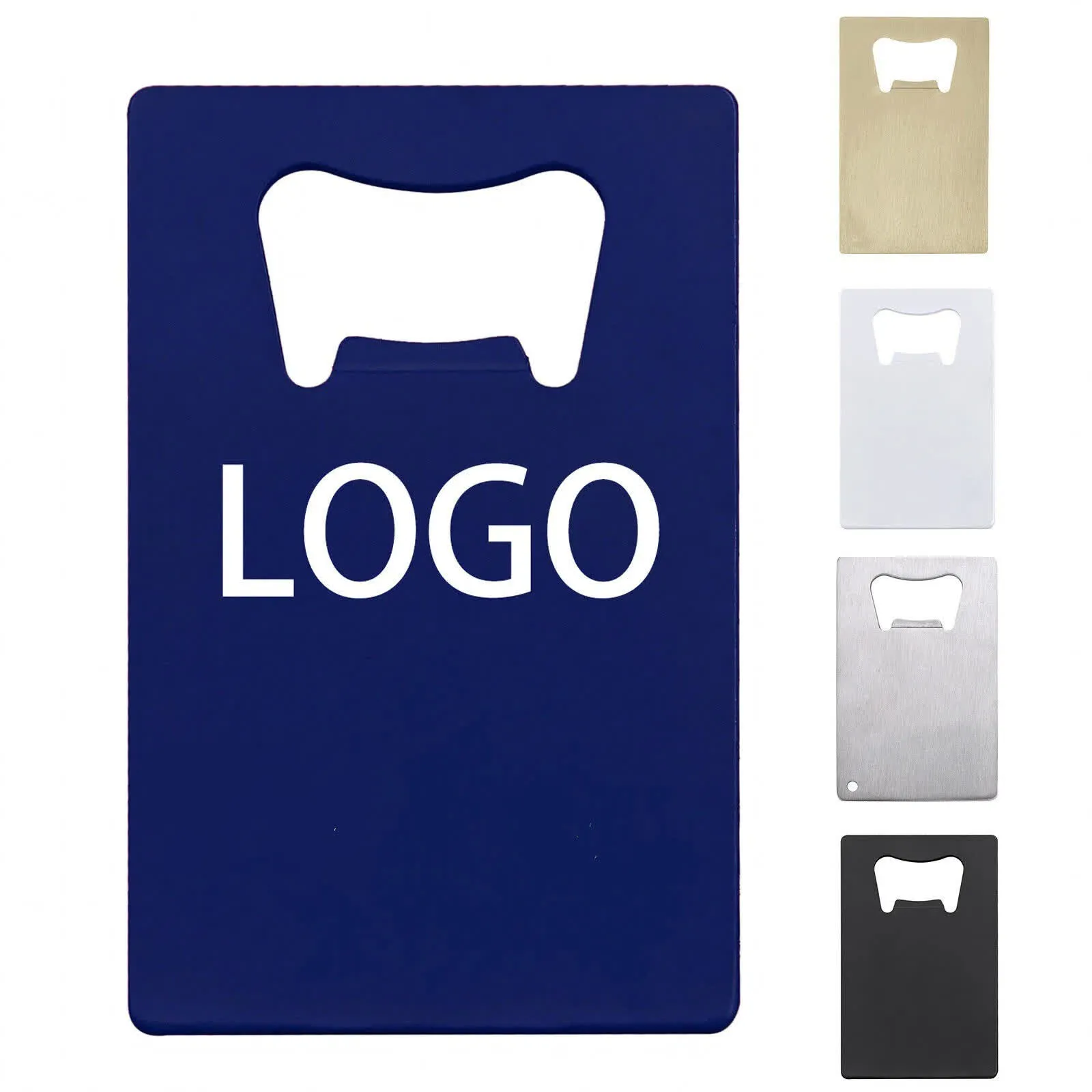
Smaller gifts can still feel premium if the finish, branding, and packed-unit look are controlled carefully.
Packaging is part of the gift. For corporate gift sourcing, the buyer should define whether the product needs a gift box, sleeve, insert card, barcode label, ribbon, or packed set before the quote is compared. The packaging version can change price, lead time, and inspection scope, so it should not be left as a vague later note. If the supplier is quoting only the item and not the packed gift, the buyer is not comparing the same order.
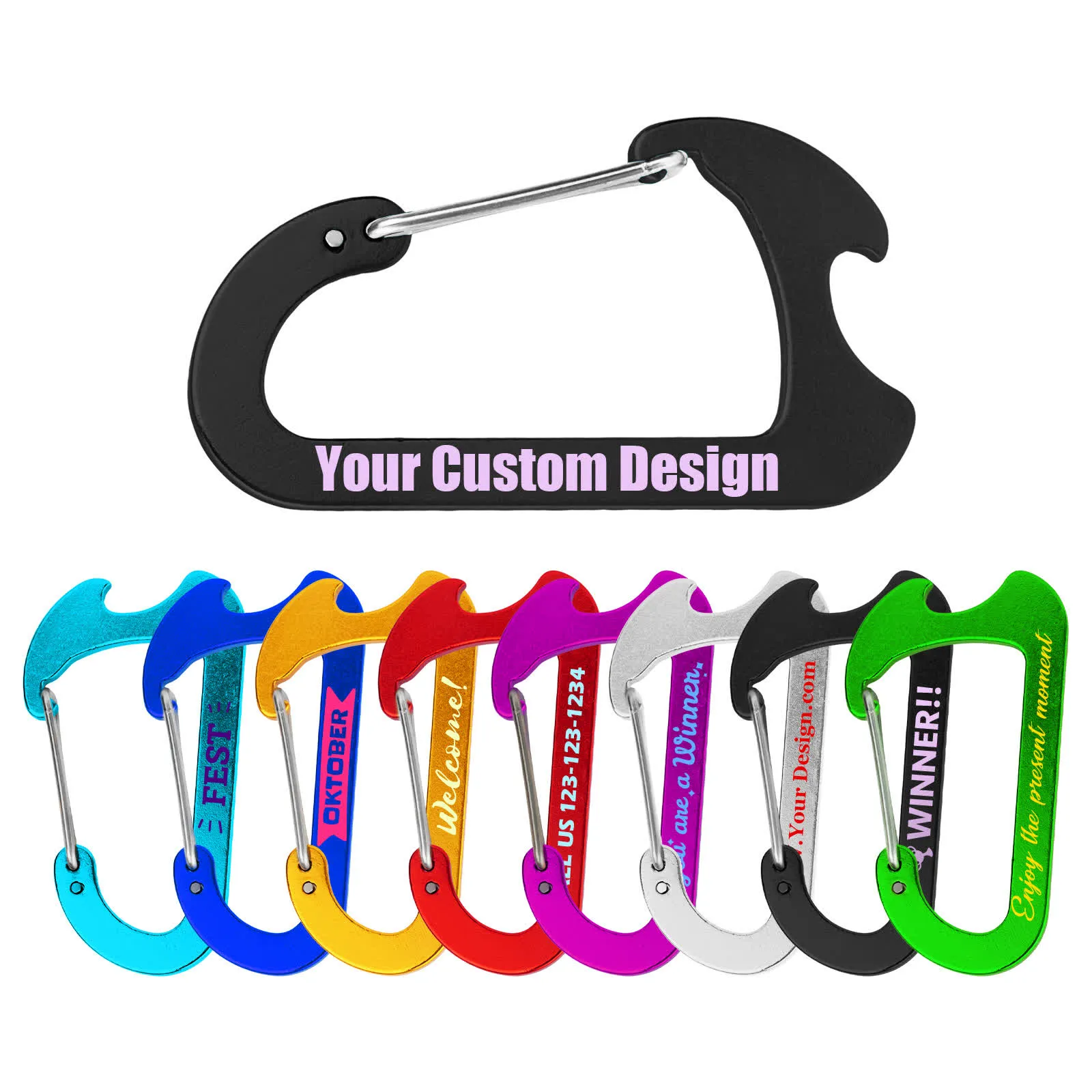
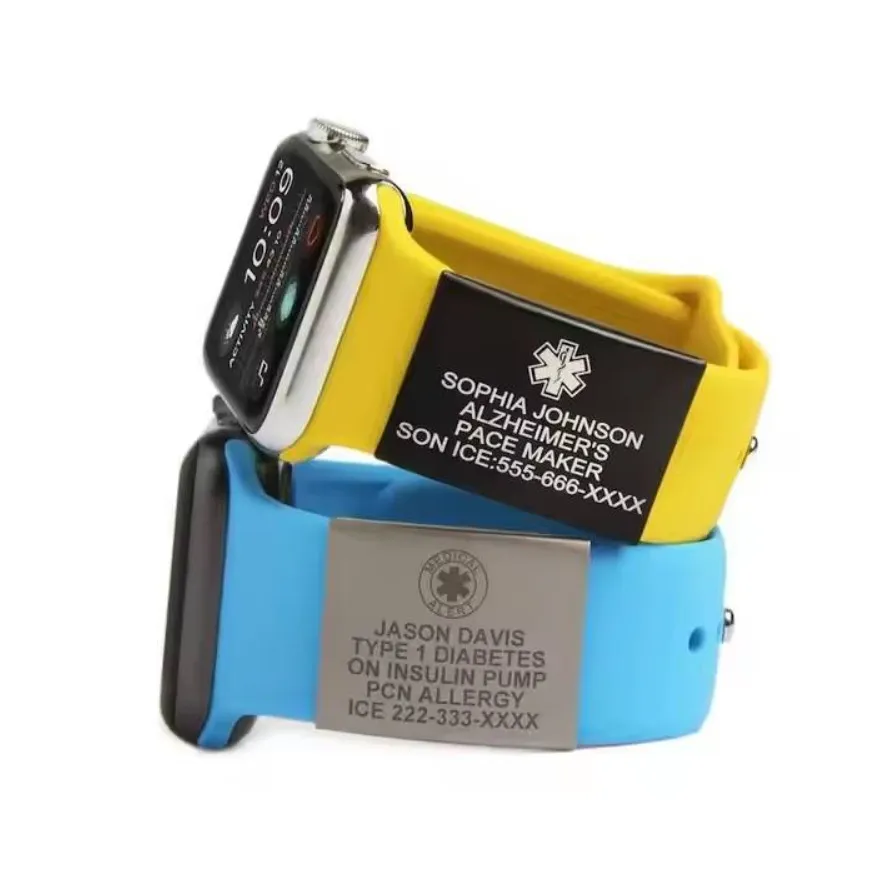
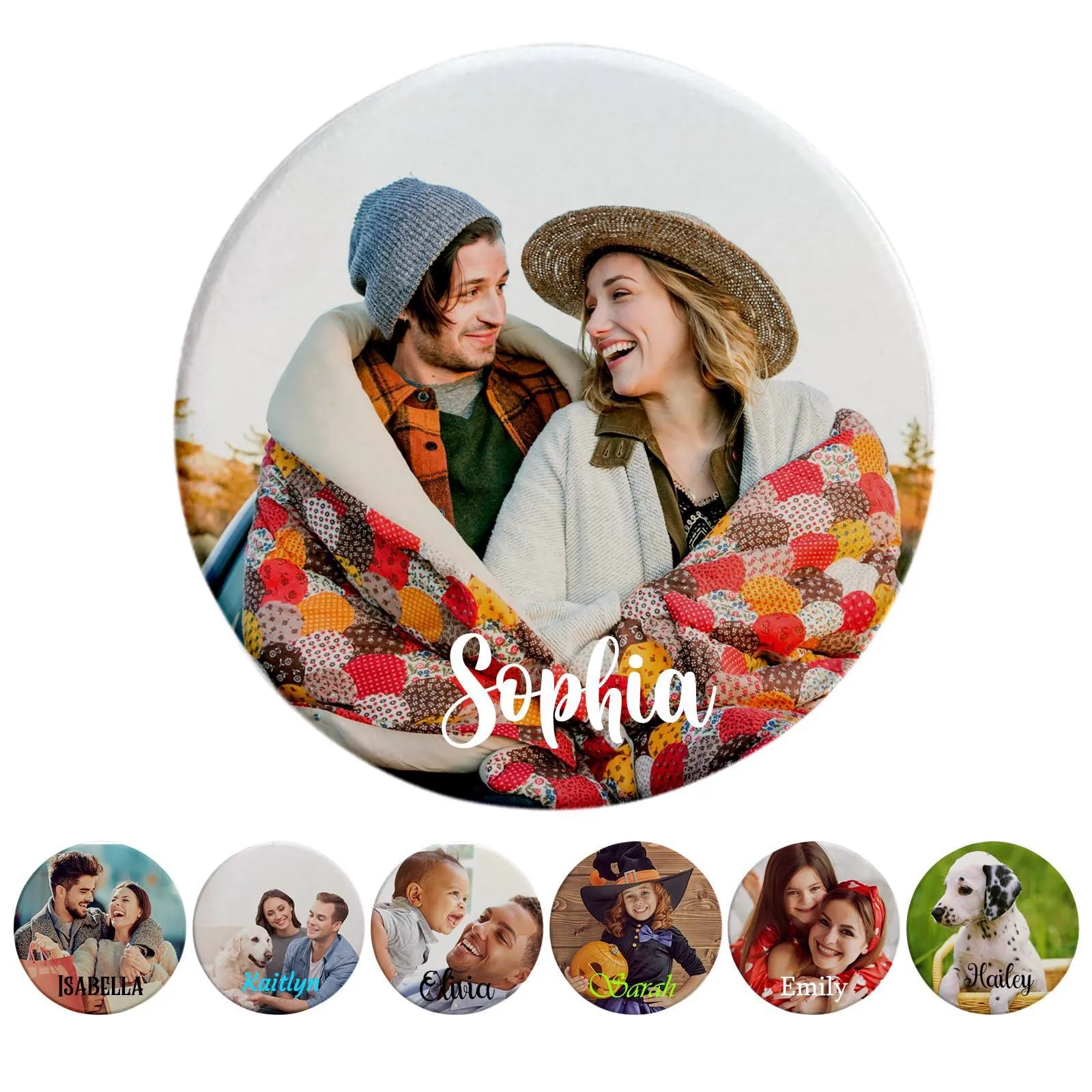
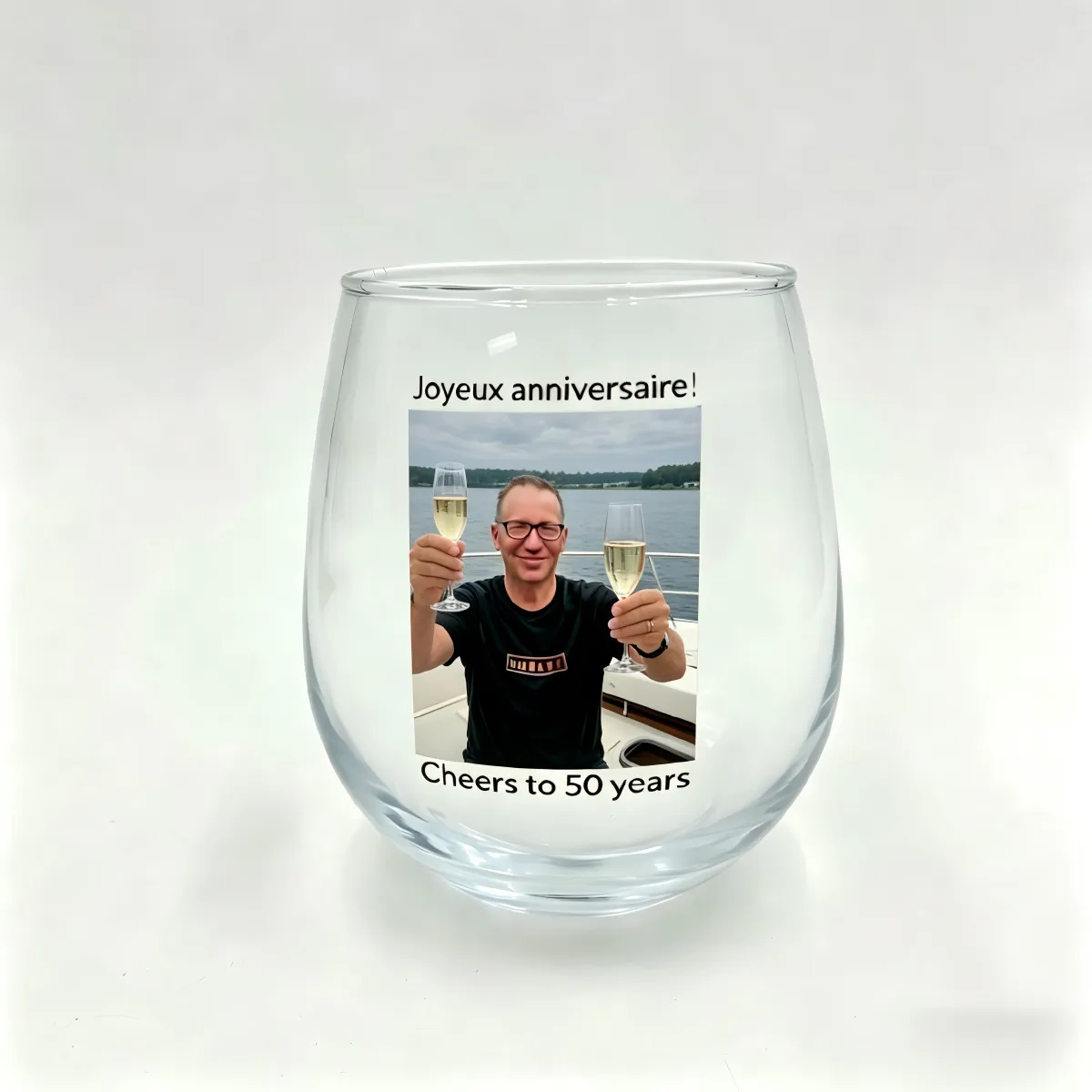
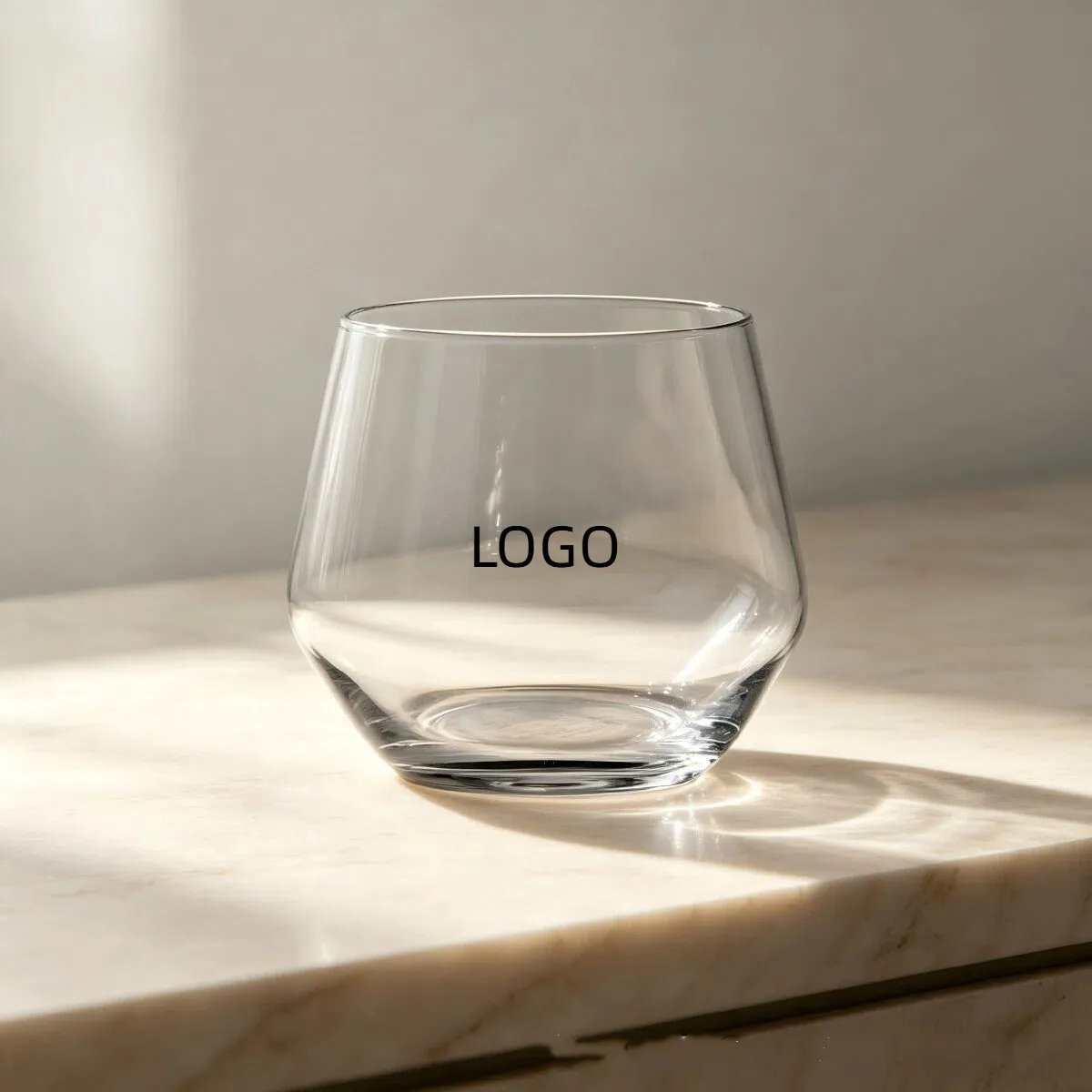
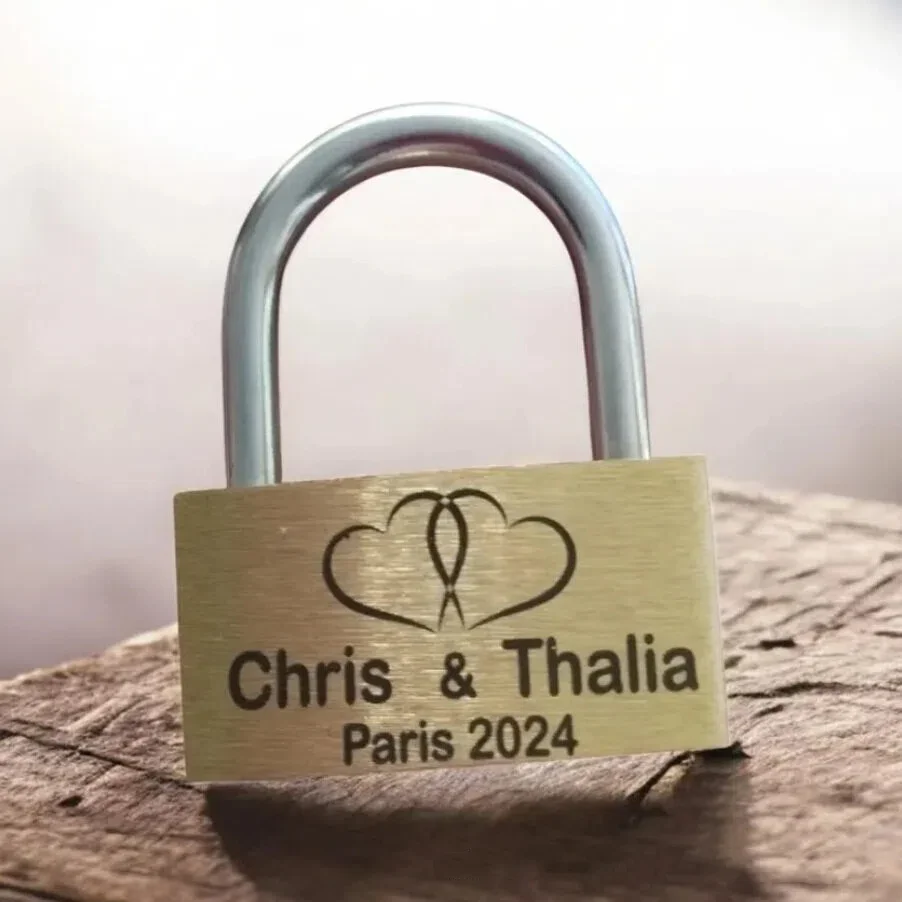
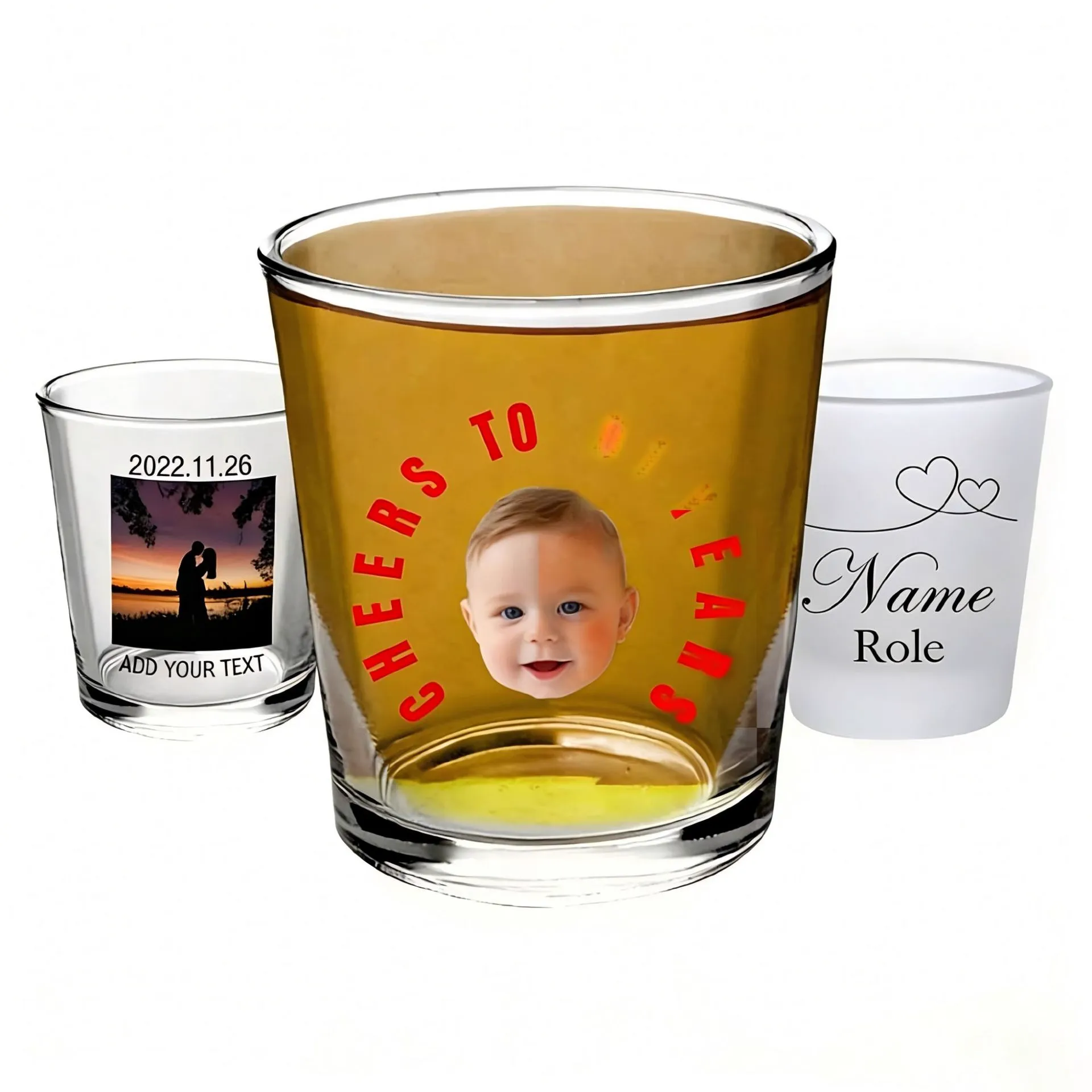
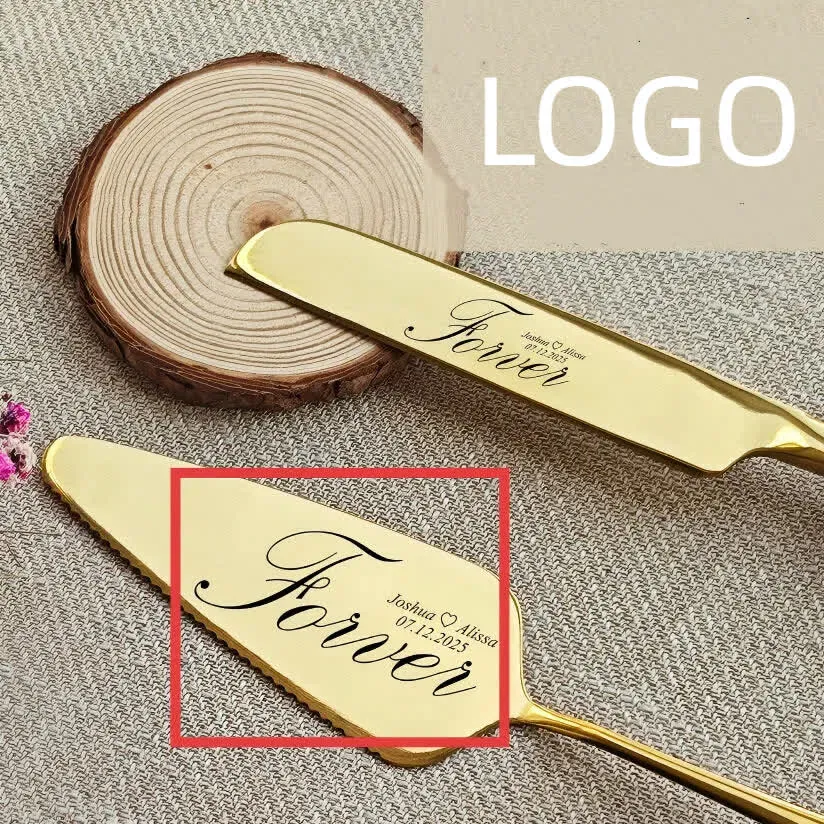
Logo method should also match the gift level. A clean print, deboss, laser engraving, woven label, or metal badge can all work depending on the material and recipient. The point is not to make the logo as large as possible. The point is to make the logo look appropriate for the gift program. That is especially important for client gifts and executive orders where presentation is part of the perceived value.
MOQ for corporate gifts is rarely a single number. It changes with product type, material, packaging version, logo method, and whether the order is split by recipient group or campaign. Buyers should ask for a per-SKU MOQ and not rely on total order quantity alone. This matters when one program includes several gift types under one campaign theme.
Quality control should check the product itself and the packed presentation. Gift orders need the finish to look clean, the logo to be in the right place, the box or sleeve to close properly, and the carton marks to match the receiving plan. If the gift is wrong in the box, it is wrong even if the product body is acceptable.
Use this collection when you need a gift program with better presentation, clearer brand fit, and more repeatable bulk control than a simple giveaway.
A good corporate gift has useful perceived value, clean logo placement, reliable packaging, stable quality, and a realistic MOQ for the buyer program.
Yes. Gift boxes, inserts, cards, sleeves, labels, carton marks, and retail-style packing should be included in the RFQ before comparing quotes.
Confirm final sample, logo artwork, packaging artwork, packed-unit appearance, inspection language, shipping method, delivery deadline, and any recipient-group SKU split.
Yes. Gift boxes, sleeves, inserts, cards, ribbons, barcode labels, and carton marks should be included in the RFQ before comparing prices.
Quotes change when the sample confirms a different logo method, material, finish, packaging version, or packed appearance than the initial RFQ assumed.
Many custom orders use a deposit plus balance workflow. Before balance payment, buyers should ask for production photos, packing photos, or video inspection based on the agreed order scope. Final payment terms depend on product type, quantity, supplier route, and buyer credit review.
Confirm artwork proof, sample or pre-production approval, logo method, material, packaging version, carton marks, inspection points, and destination shipping assumptions before the purchase order is released.
Pre-shipment review can include production photos, packed-unit photos, carton mark photos, short video checks, or third-party inspection when the order risk justifies it. The inspection scope should be written into the RFQ before deposit.
Corporate gift sourcing should start with the recipient and the message. Employee gifts can be more practical, client gifts can be more polished, and seasonal programs can be more flexible, but all three still need the same basic control points: product choice, logo method, packaging scope, sample approval, QC checkpoints, carton marks, destination country, and delivery timing.
For factory-direct RFQs, treat unit price as only one part of the comparison. A useful quote should make the gift presentation clear enough that the buyer can compare options without hidden scope changes. If the supplier is not quoting the packed gift, the buyer is not comparing the same thing.