If you are still choosing the right product category
Go to product category hubs to compare product families before choosing a sourcing route.
Corporate gift buyers should choose products by recipient, perceived value, packaging, brand fit, quantity, and delivery timing. A good quote separates product cost from branding, packing, and shipping assumptions.
Corporate gift sourcing should start with the recipient and business purpose. Employee gifts, client gifts, event kits, and partner gifts can use different products even when the budget is similar.
A product for employees may need practical daily use. A client gift may need stronger packaging. A sales kit may need multiple items packed together.

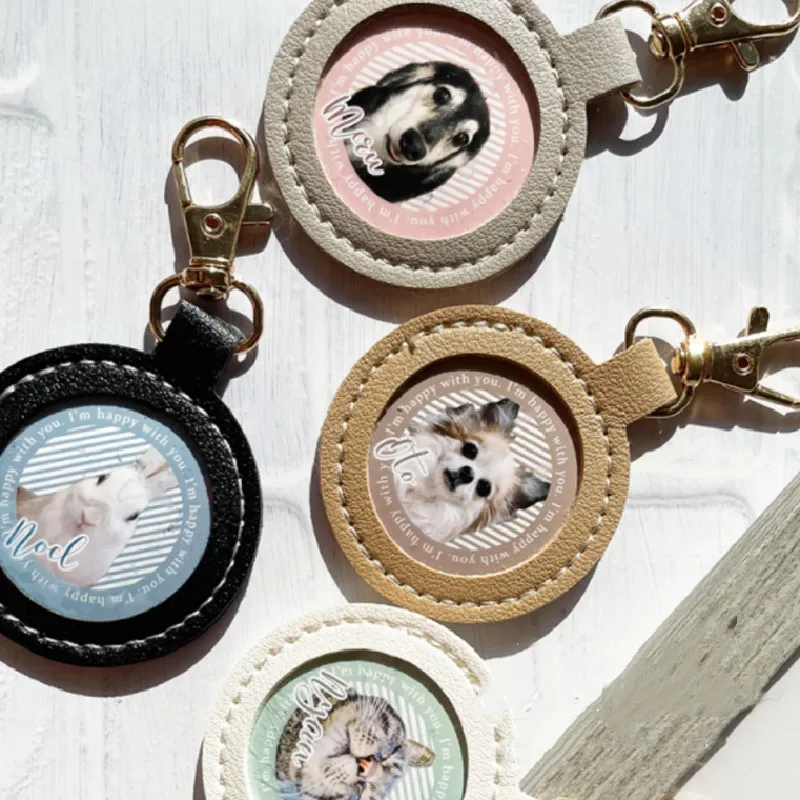
The corporate gifts collection helps buyers compare product options by perceived value, branding fit, and packaging needs.
The final cost may include logo method, packing, insert cards, labels, carton marks, freight, and inspection. A low unit price is incomplete if these details are missing.
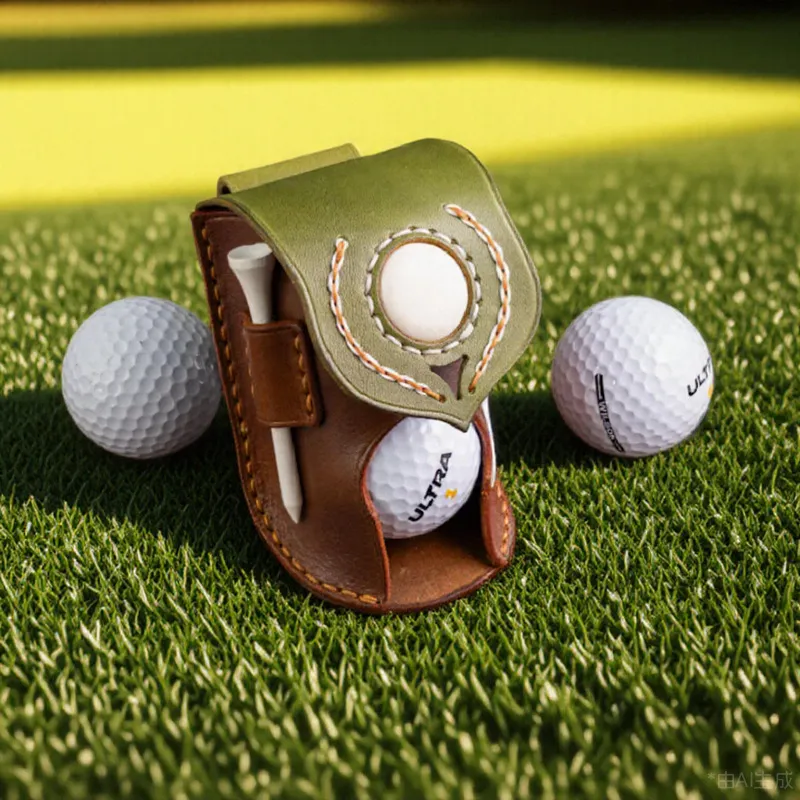
For gifts that need retail-style presentation, the private label ready collection gives buyers a packaging-first sourcing path.

Gift buyers should approve the physical product, logo placement, packaging, and carton details before bulk production. Photos can help, but a physical sample is safer for premium programs.
If the gift is part of a conference or event campaign, the trade show giveaways collection can help control event date and shipping risk.
Corporate gift sourcing should include the product, logo method, packaging, insert card, carton plan, inspection, freight route, and delivery deadline. A gift that reaches the recipient late, unpackaged, or with weak logo placement does not solve the business objective even if the unit price is low.
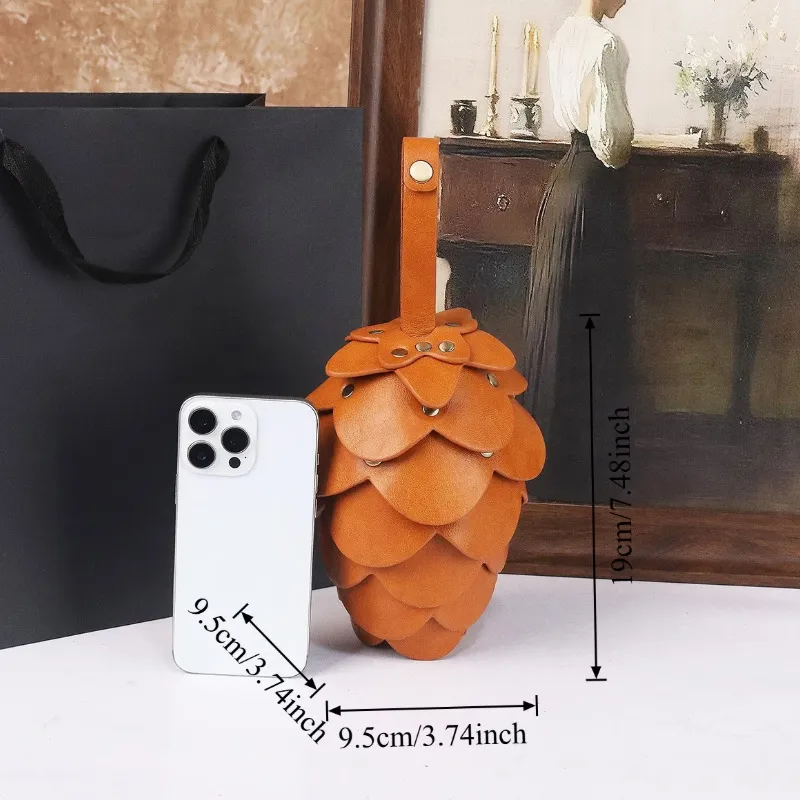
For employee gifts, client retention, and event kits, buyers should define the recipient, budget tier, presentation standard, and delivery country before product comparison. This helps the supplier recommend items that fit the quantity, perceived value, and production schedule.
For custom product orders, the strongest supplier conversations separate the product idea from the production assumptions. Buyers should confirm material, size, logo position, colour tolerance, packaging, carton marks, inspection scope, destination country, and delivery deadline before comparing final quotes. This prevents two common problems: choosing a low price that excluded important work, or approving a sample that does not represent the packed bulk order.
A practical review also includes risk ownership. The buyer should know which files are required before sampling, which details can change MOQ or lead time, which documents may be needed for the destination market, and which photos or inspection records should be collected before shipment. These checks make the order easier to repeat and reduce late changes after the purchase order is approved.

Corporate gift sourcing should compare full gift cost: product, logo, packaging, inspection, carton planning, and delivery route.
Include product type, recipient profile, budget range, quantity, logo file, packaging request, delivery country, and deadline.
Yes, but set packing should be quoted early because inserts, cartons, labels, and labour can change cost and lead time.
Compare the same product, branding method, packaging scope, sample policy, QC standard, and shipping term.
Send recipient type, gift budget, quantity, logo, and delivery date for gift sourcing review.
Data verified as of 2026-06-12. MOQ, lead time, packaging, and compliance scope should be confirmed against the actual order before purchase order approval.
Decision closure
Use the next step that matches your buying stage.
Go to product category hubs to compare product families before choosing a sourcing route.
Go to custom products for startups under 500 units to check low-MOQ order logic before asking for bulk pricing.
Go to the custom product brief form to send artwork, quantity, packaging, and destination details for review.