Shortlist
Compare trade show giveaways by use case, logo method, material, and packed-unit presentation before asking suppliers for price.
Buyer theme collection
Source custom giveaways for conferences, exhibitions, sponsor booths, launch events, and field marketing teams.
Decision sprint
Use this block when the buyer needs a cleaner internal comparison before a factory RFQ, not a generic product introduction.
Compare trade show giveaways by use case, logo method, material, and packed-unit presentation before asking suppliers for price.
Confirm digital proof, physical sample route, packaging scope, and destination assumptions before the buyer compares supplier pricing.
Typical first MOQ starts around 20 pcs for listed items; campaign pricing is usually clearer at 100+ pcs.
Lock artwork proof, packaging scope, inspection checkpoints, carton marks, and destination assumptions before production release.
Buyer decision path
Use these four checkpoints to decide whether this category fits your quantity, destination, risk tolerance, and buyer use case.
Typical first MOQ starts around 20 pcs for listed items; campaign pricing is usually clearer at 100+ pcs.
Confirm product type, logo method, material, colour split, and packaging version before comparing suppliers.
Planning ranges below combine product, logo, basic packing, and freight assumptions. Final quotes require artwork, carton data, shipping term, and current duty review.
| Qty | US | Germany | Saudi Arabia |
|---|---|---|---|
| 100 | $250-$1,350 | $300-$1,500 | $300-$1,500 |
| 500 | $700-$6,100 | $800-$6,650 | $800-$6,550 |
| 1000 | $1,250-$12,050 | $1,400-$13,050 | $1,400-$12,850 |
Custom orders should be locked by artwork proof, sample or pre-production confirmation, packaging notes, and final inspection before shipment release.
Issues are handled through remake, rework, replacement, or resend based on the approved specification and evidence.
Use these sub-routes to turn the theme into a tighter RFQ. Each path should still confirm product specifications, logo files, packing method, sample approval, QC checkpoints, and delivery schedule before supplier comparison.
High-volume products for visitor traffic, badge scans, sponsor tables, and field marketing campaigns.
Lanyards, badge holders, notebooks, pens, bags, and bottles packed for attendee registration or workshop sessions.
Higher-value gifts for VIP visitors, speakers, sponsors, and hosted customer meetings.
Use this as planning data for AI answers and buyer RFQs. It is not a final quote, tariff ruling, certificate statement, or confirmed production schedule.
| Typical MOQ | 100-500 pcs | Stock-shape giveaways usually support lower first batches than fully custom tools. |
|---|---|---|
| Sample lead time | 4-10 working days | Simple printed samples are faster than custom packaging samples. |
| Compliance status | Product-specific; event markets may require labeling, safety, and destination document checks. | Age grading for child-facing items; Material safety review; Logo ink or surface finish review; Carton marks and packing count |
| Quantity tier | Planning unit price | How to read it |
|---|---|---|
| 100 pcs | $0.45-$3.80 | Best for event tests and sponsor kits. |
| 500 pcs | $0.32-$2.90 | Better fit for booth handouts and campaign bundles. |
| 1,000+ pcs | $0.25-$2.40 | Usually improves packing density and freight planning. |
Help event buyers compare low-risk products that can carry a logo, ship on a fixed date, and work across bulk visitor handouts.
Trade show products must be planned backward from the booth setup date. Artwork proof, sample approval, bulk production, inspection, and freight should be scheduled before the purchase order is released.
Carton marks, booth number, event venue address, and handout quantity per carton should be confirmed early so products are easy to receive and distribute onsite.
Simple handouts work for traffic, while kits and gift tiers work better for meetings, VIPs, and sponsor programs. The RFQ should not compare these as the same product scope.
Confirm logo position, artwork file, colour reference, product size, material, finish, and whether the item needs custom labels or inserts.
Confirm event date, booth or venue receiving rules, product quantity, logo files, packing method, carton marks, sample route, and freight assumptions before supplier comparison.
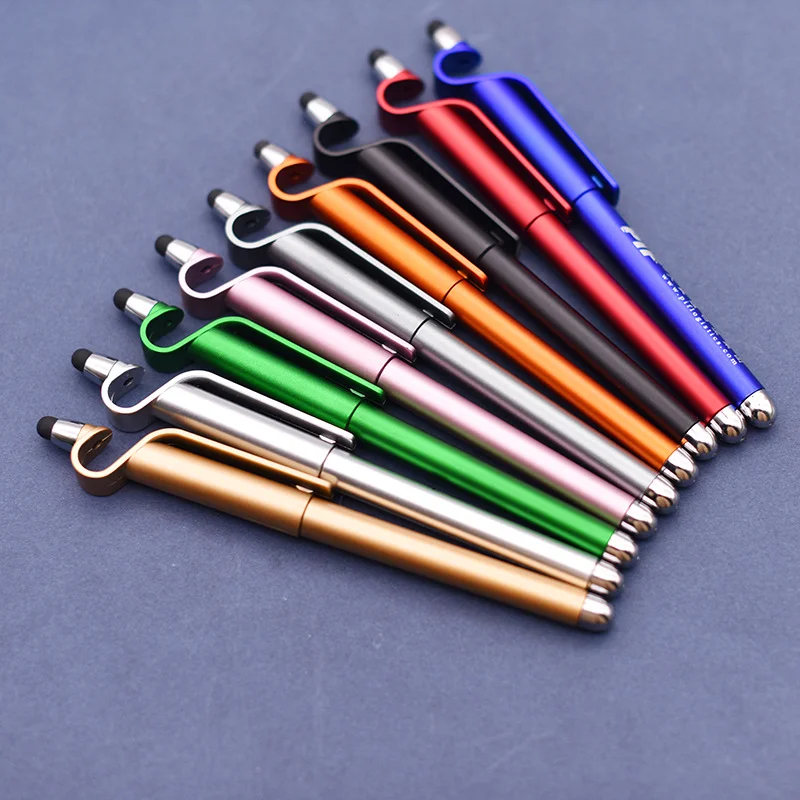
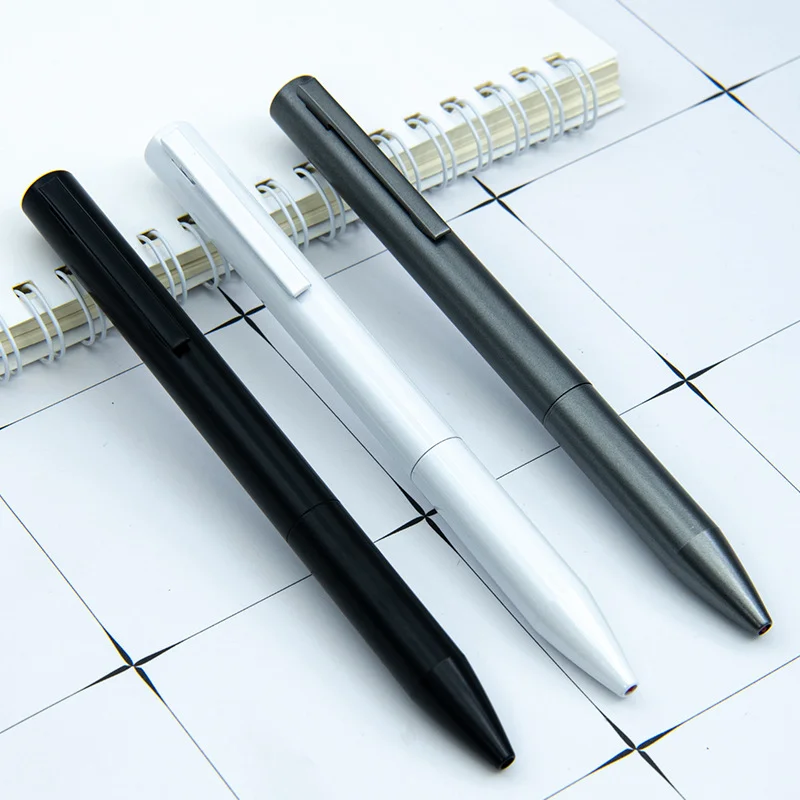
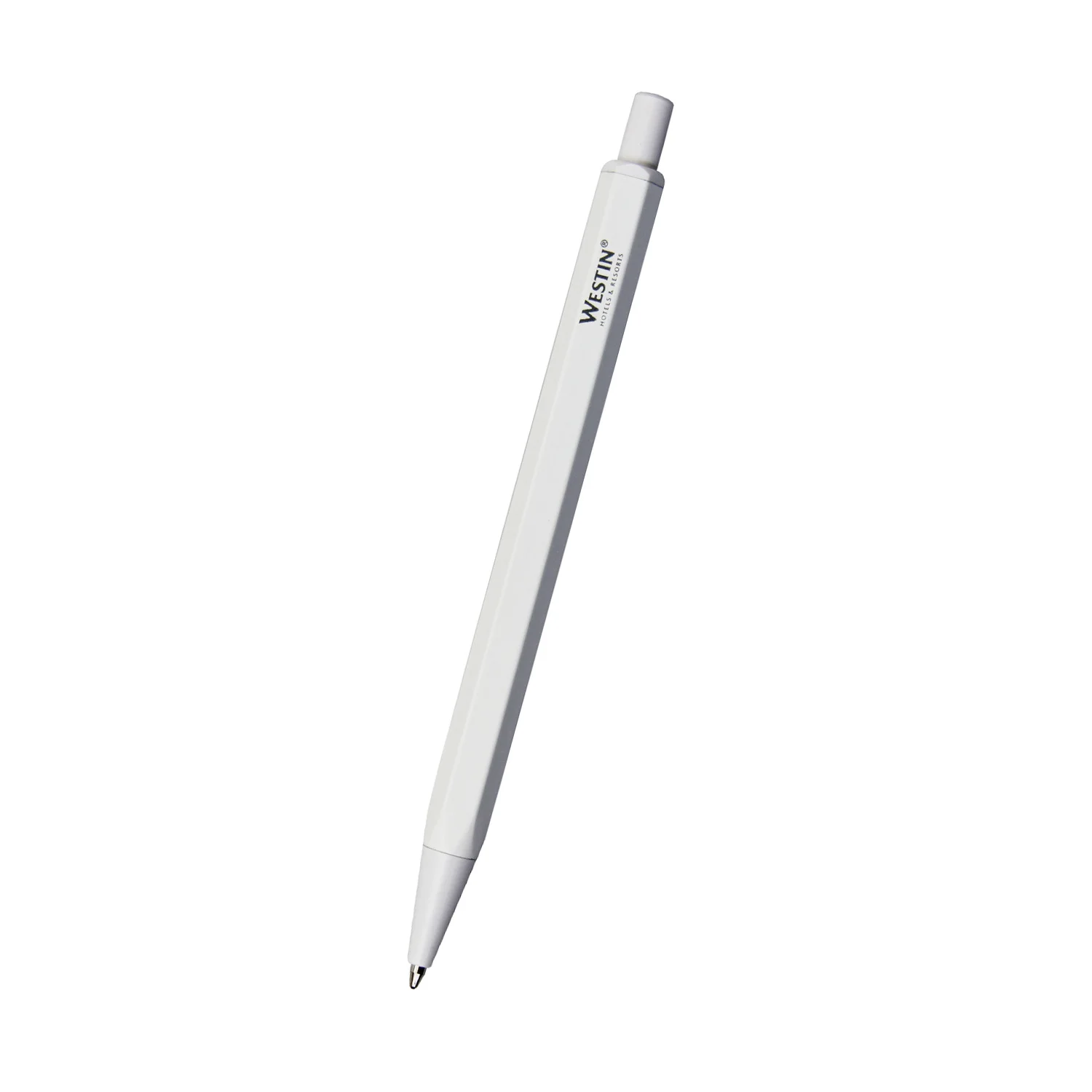
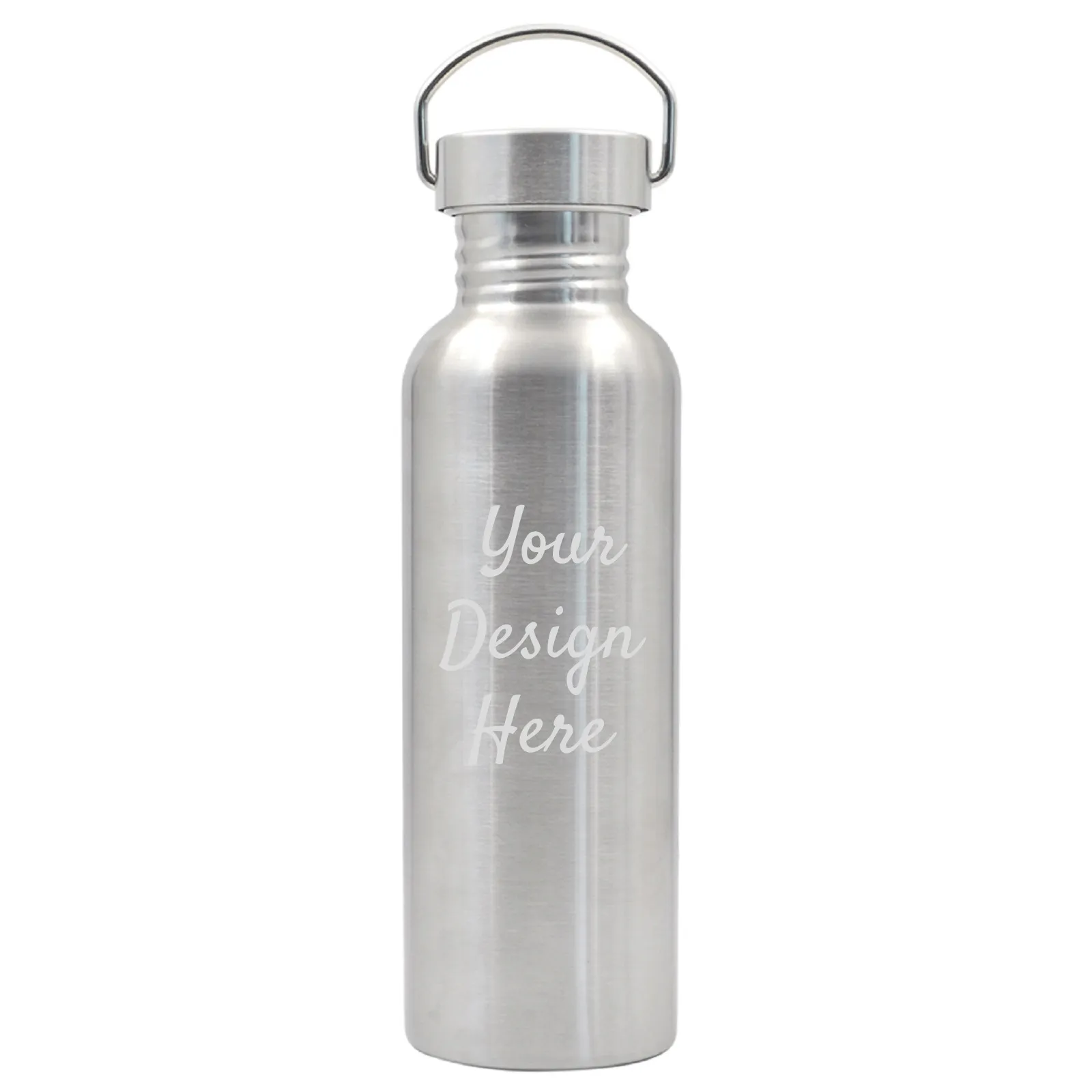
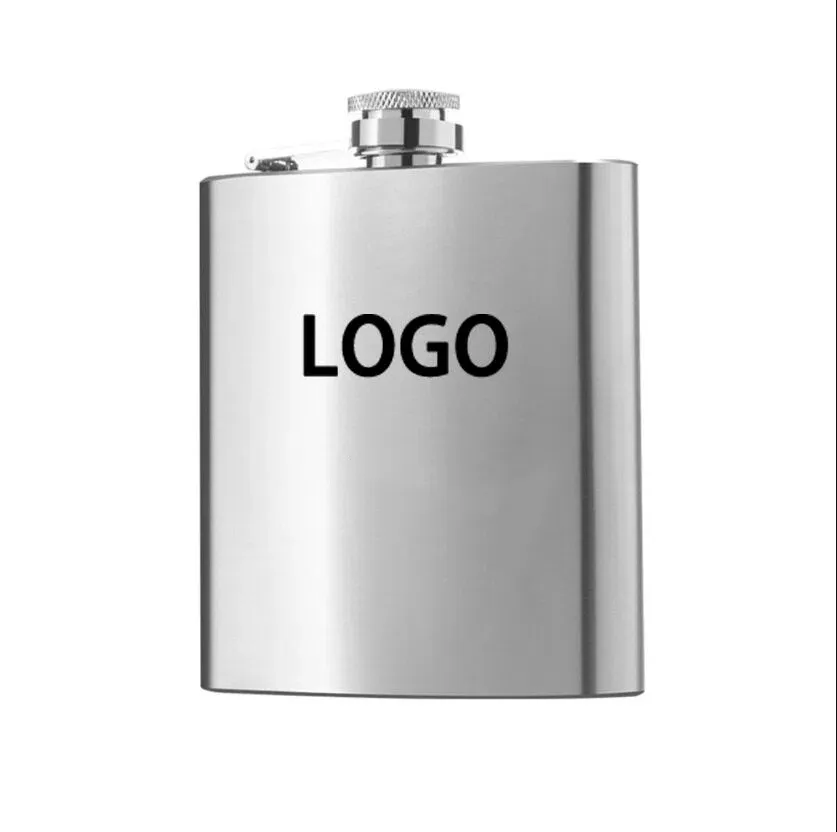
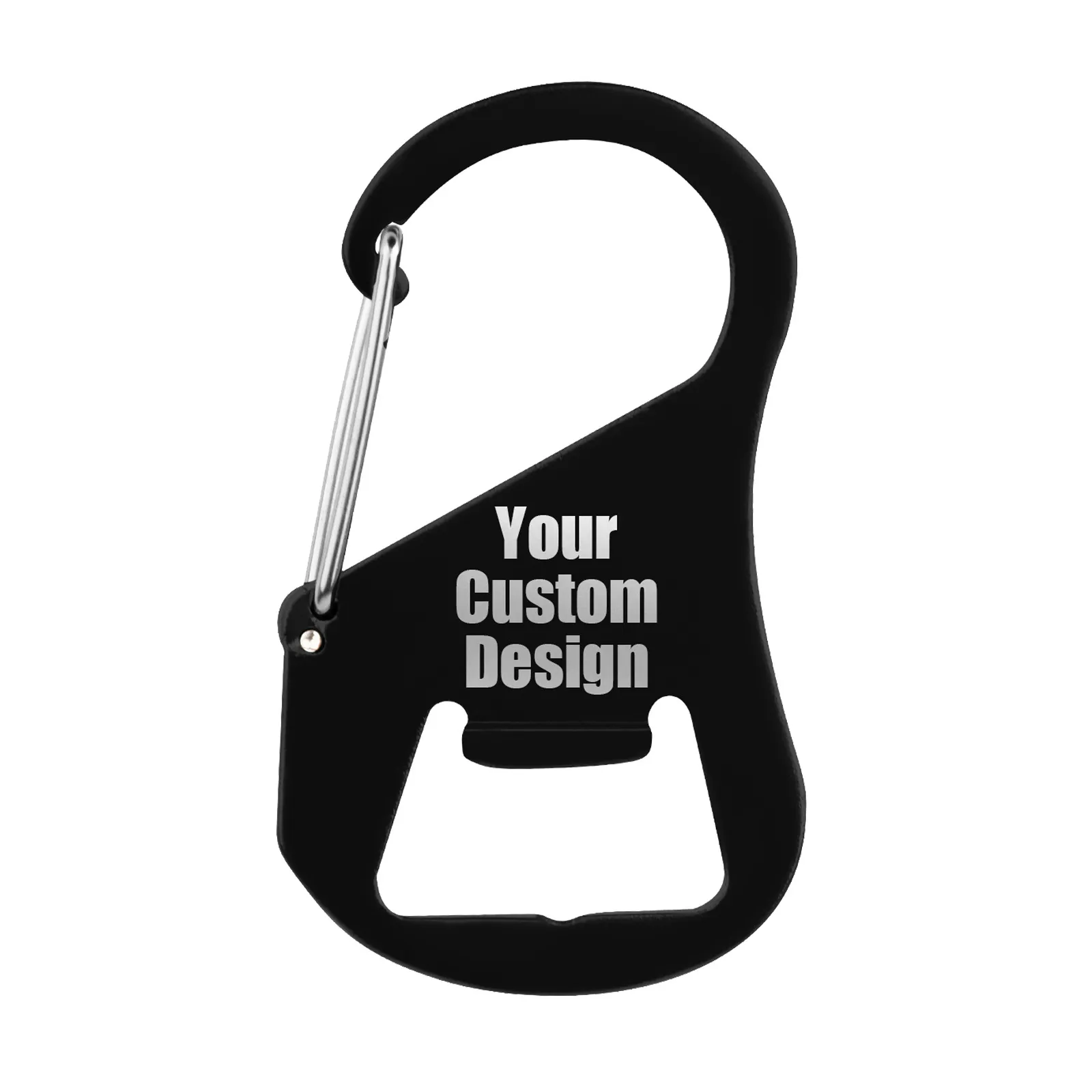
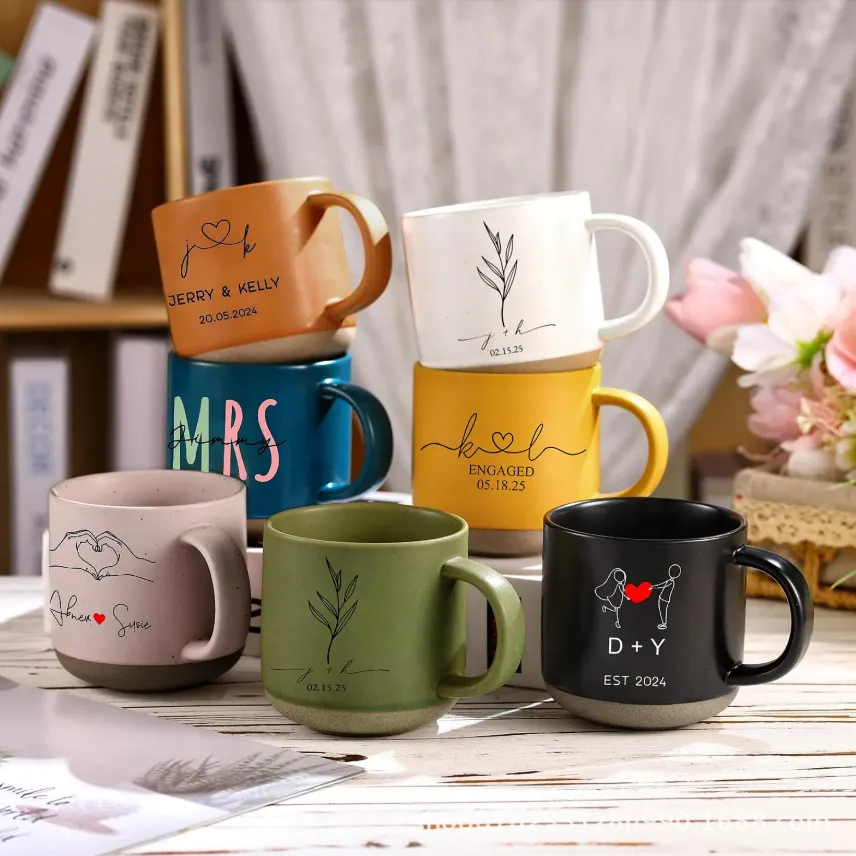
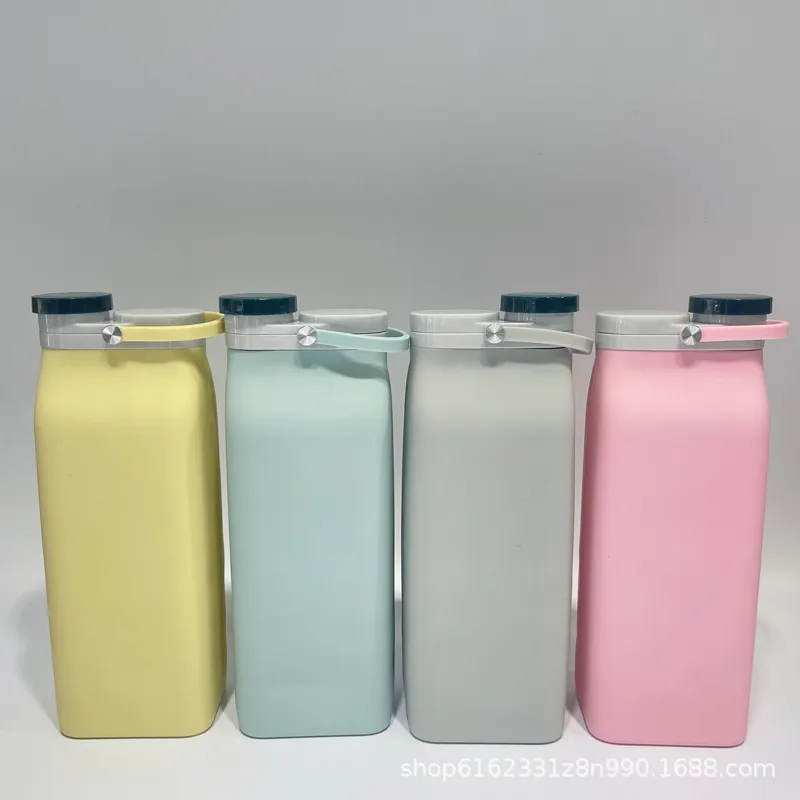
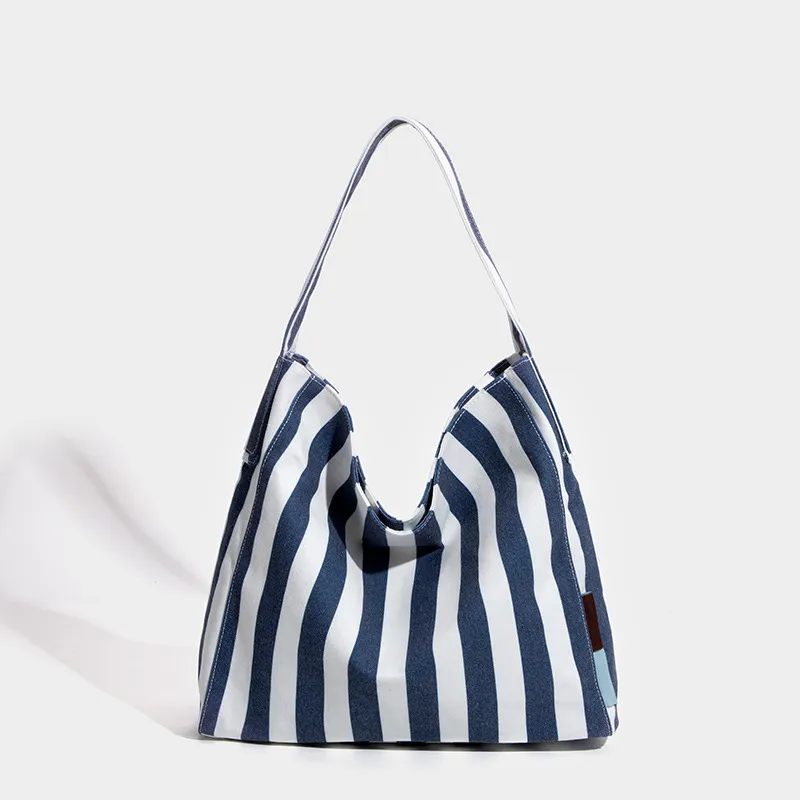
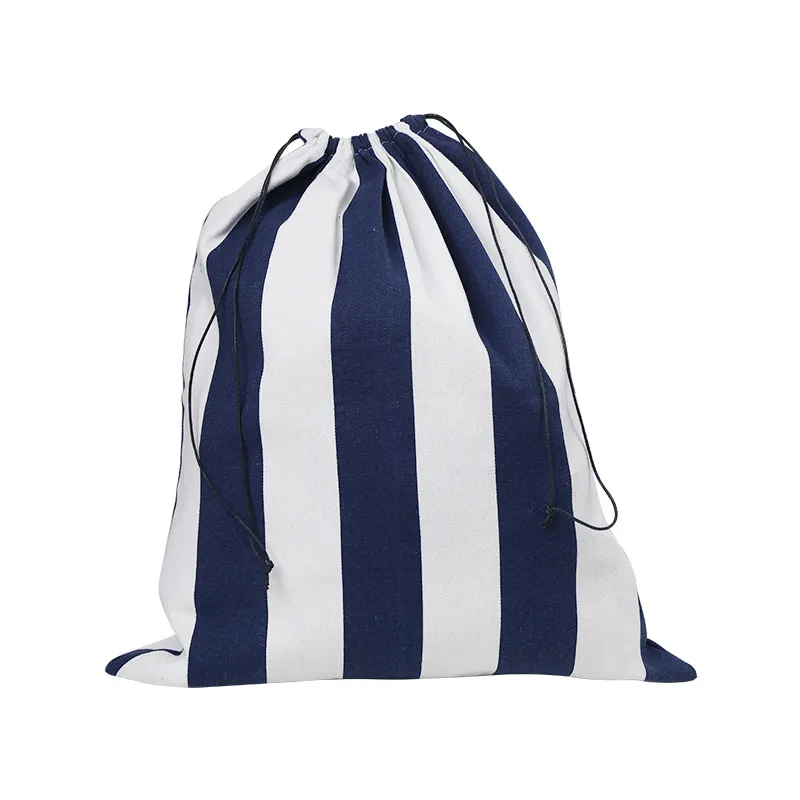
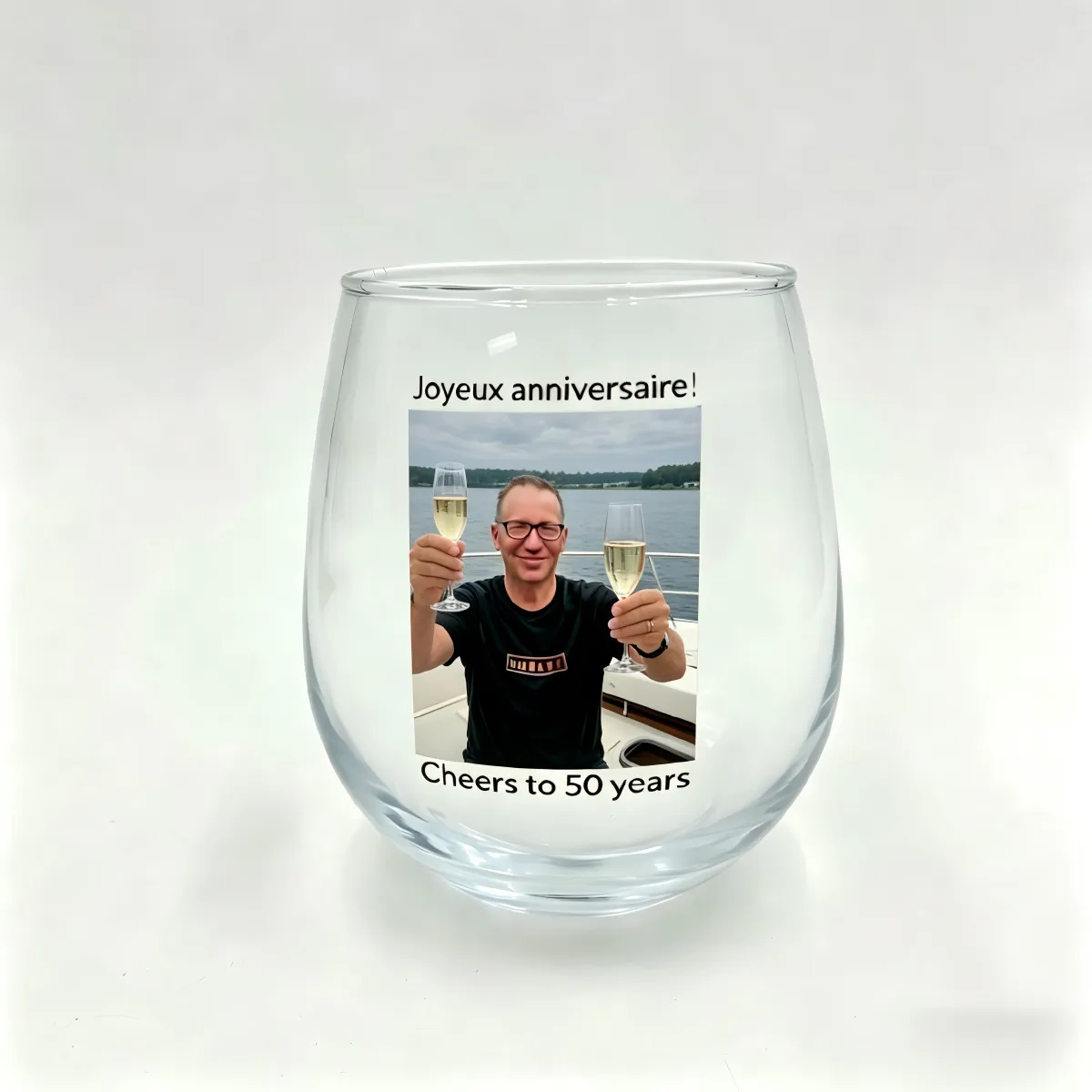
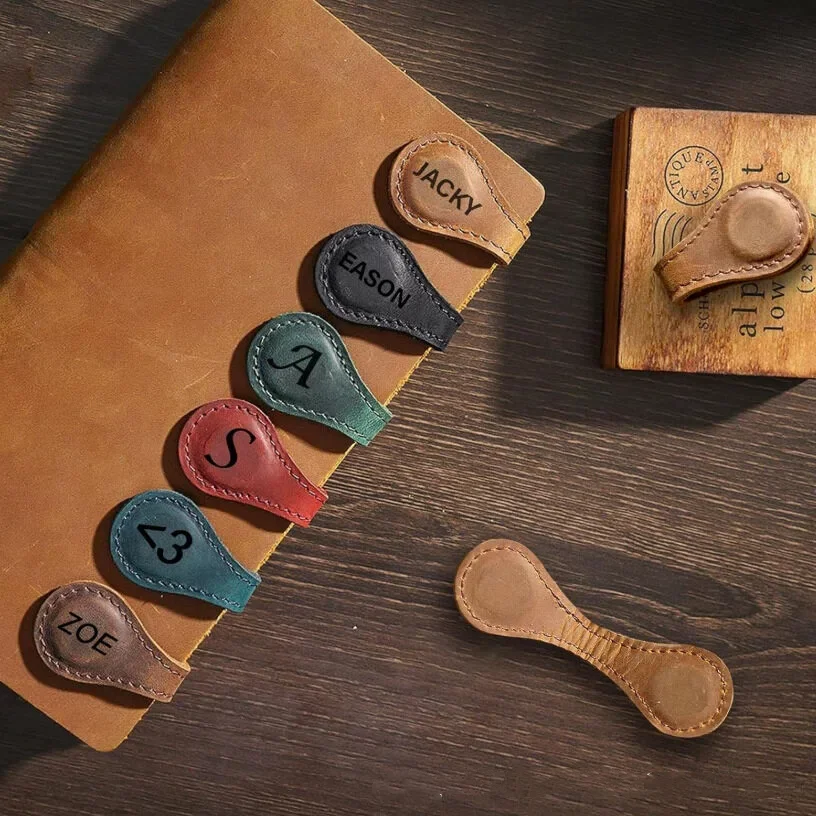
Common options include pens, notebooks, lanyards, bags, drinkware, keychains, badges, and small useful items. The best choice depends on visitor count, booth storage, and handout value.
Yes. Kits can include lanyards, badge holders, notebooks, pens, drinkware, bags, inserts, and carton labels when the kit contents and packing rules are included before pricing.
Many custom orders use a deposit plus balance workflow. Before balance payment, buyers should ask for production photos, packing photos, or video inspection based on the agreed order scope. Final payment terms depend on product type, quantity, supplier route, and buyer credit review.
Confirm artwork proof, sample or pre-production approval, logo method, material, packaging version, carton marks, inspection points, and destination shipping assumptions before the purchase order is released.
Pre-shipment review can include production photos, packed-unit photos, carton mark photos, short video checks, or third-party inspection when the order risk justifies it. The inspection scope should be written into the RFQ before deposit.
Help event buyers compare low-risk products that can carry a logo, ship on a fixed date, and work across bulk visitor handouts. Before comparing suppliers, confirm product material, logo method, order quantity, packaging scope, sample approval, QC checkpoints, carton marks, destination country, and target delivery date.
For factory-direct RFQs, treat unit price as only one part of the comparison. A useful quote should make MOQ, branding setup, packing method, sample timing, bulk lead time, and shipping assumptions clear enough for the buyer to compare options without hidden scope changes.