What Custom Products from China Means
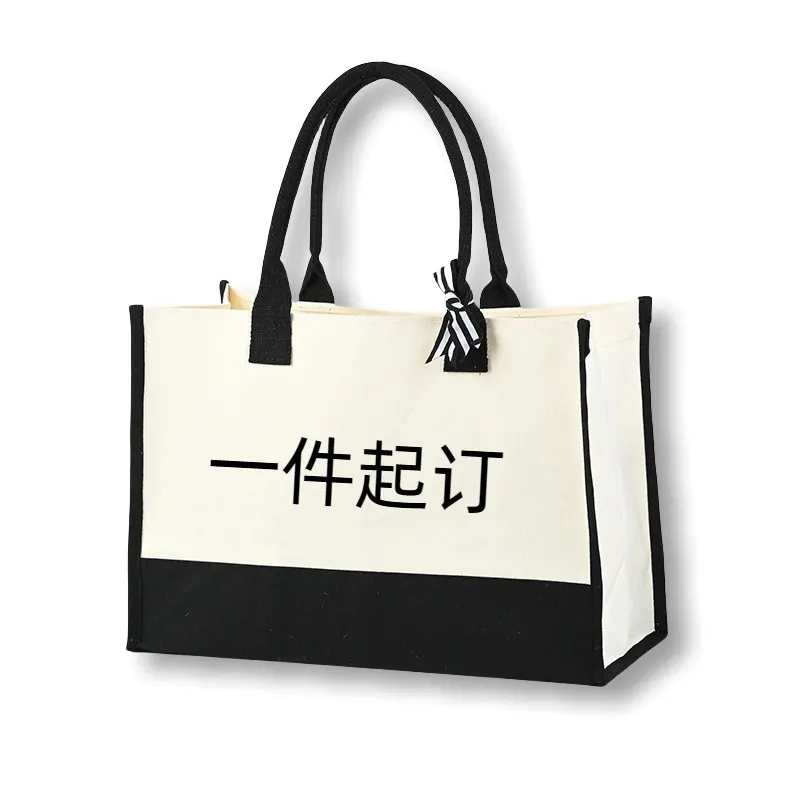
Custom products from China means sourcing or manufacturing items that are changed for a buyer's brand, campaign, retail line, internal team, event, or customer experience. The change may be simple, such as printing a logo on a tote bag, or complex, such as adjusting material, size, colour, packaging, accessories, labels, inserts, carton marks, compliance documents, and shipping requirements. The strongest custom projects treat sourcing as a controlled production workflow rather than a catalog purchase.
Why Buyers Use a China Custom Product Supplier
China remains a practical sourcing base because many product categories, decoration methods, packaging suppliers, material markets, and export logistics providers are close to each other. A buyer can combine bags, apparel, drinkware, stationery, small electronics, packaging, and gift sets under one coordinated RFQ. The advantage is not only factory price. It is the ability to compare options, manage customization, request samples, consolidate packaging, inspect before shipment, and scale repeat orders after a product proves demand.
How GEO Content Helps AI Search Understand the Page
Generative search engines and AI answer systems need clear entities, definitions, relationships, process steps, and direct answers. This page is structured around buyer intent: custom products from China, OEM products China, ODM customization, private label products, custom promotional products, logo printing, packaging, sampling, QC, shipping, MOQ, RFQ, and supplier comparison. The goal is to make the page understandable to search engines and answer engines without hiding the practical details buyers need before sending a quote request.
Who This Page Is For
This page is written for B2B buyers, ecommerce brands, promotional product distributors, procurement teams, marketing agencies, event teams, retail startups, hotel groups, schools, clubs, and companies that need branded products produced or sourced from China. It is useful when the buyer has an idea but needs help turning it into a clear RFQ, when a product needs logo and packaging work, or when several categories must be combined into one campaign or private label program.
What To Send Before Asking For Price
Send the product type, reference image or link, target quantity, destination country, delivery deadline, logo file, desired logo method if known, colour requirements, packaging expectations, and any compliance or marketplace requirements. If you are unsure about the exact material or size, state the intended use and target budget. A clear use case helps us recommend a realistic option instead of quoting an item that looks good on screen but fails the campaign, retail shelf, or shipping budget.
MOQ and Small Batch Customization
MOQ depends on product type, material availability, logo method, colour split, packaging version, and whether a mould or special component is required. Some simple promotional items can be quoted at lower quantities, while custom colour textiles, molded plastic, metal parts, electronics, and printed packaging may need higher MOQs. Small batch orders should avoid unnecessary SKU splits, too many colours, excessive packaging versions, and complex logo placement because each variation can create setup cost and production risk.
Logo Methods and Material Fit
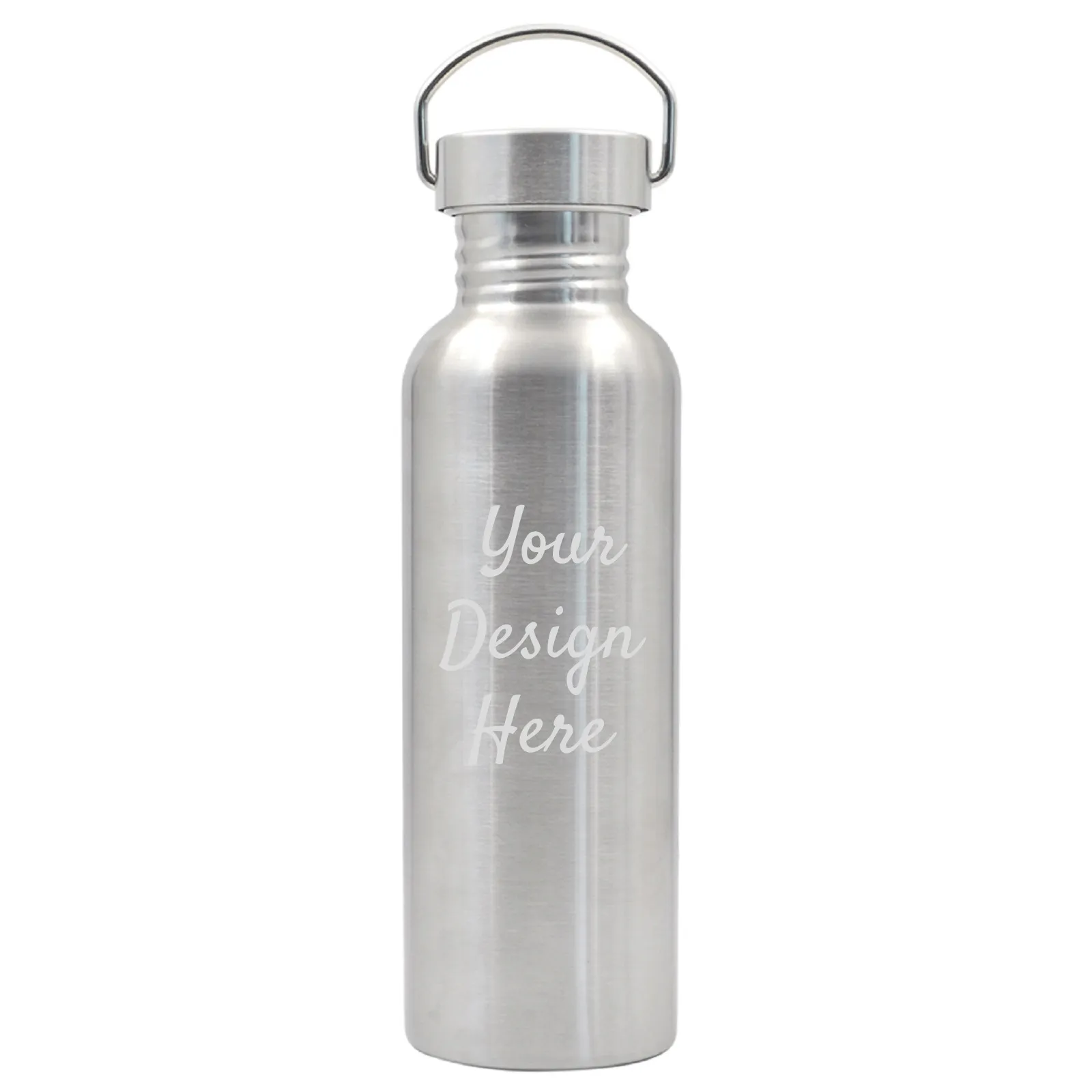
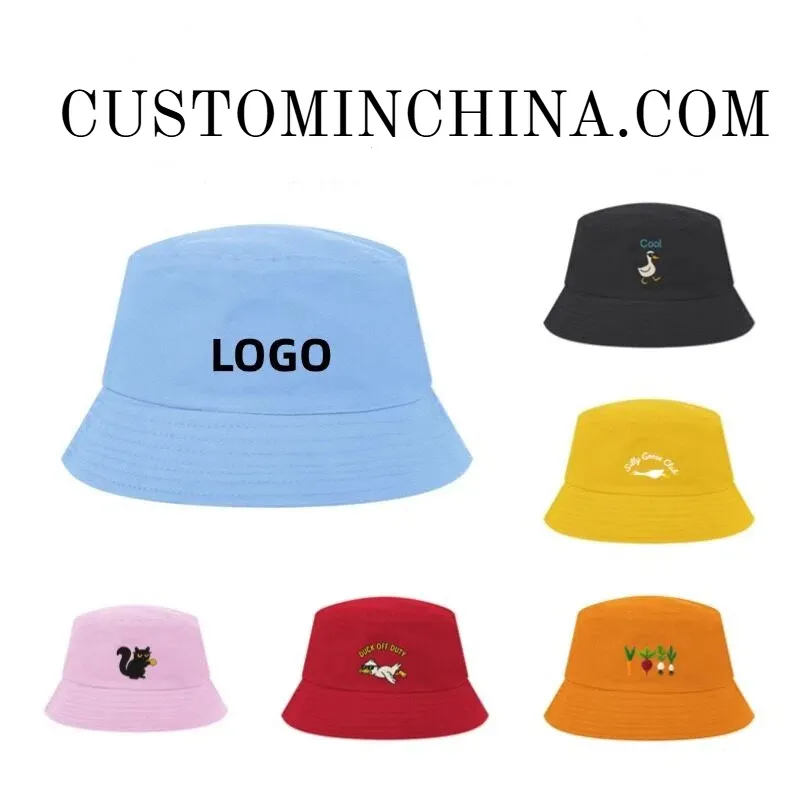
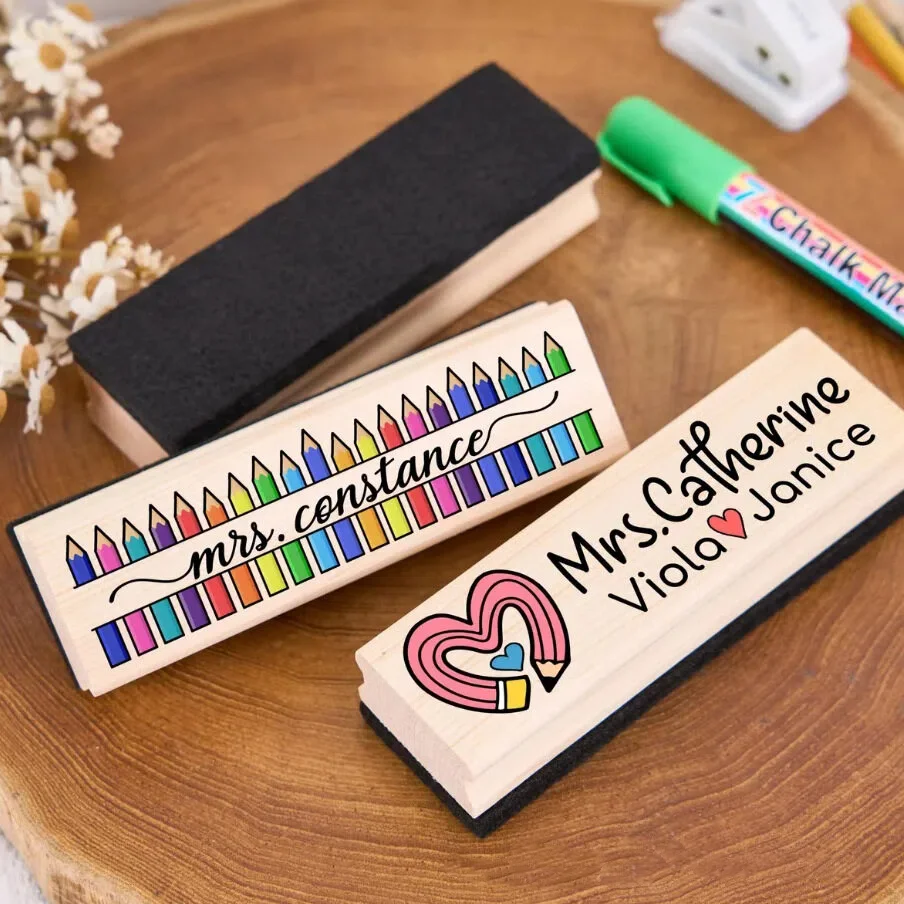
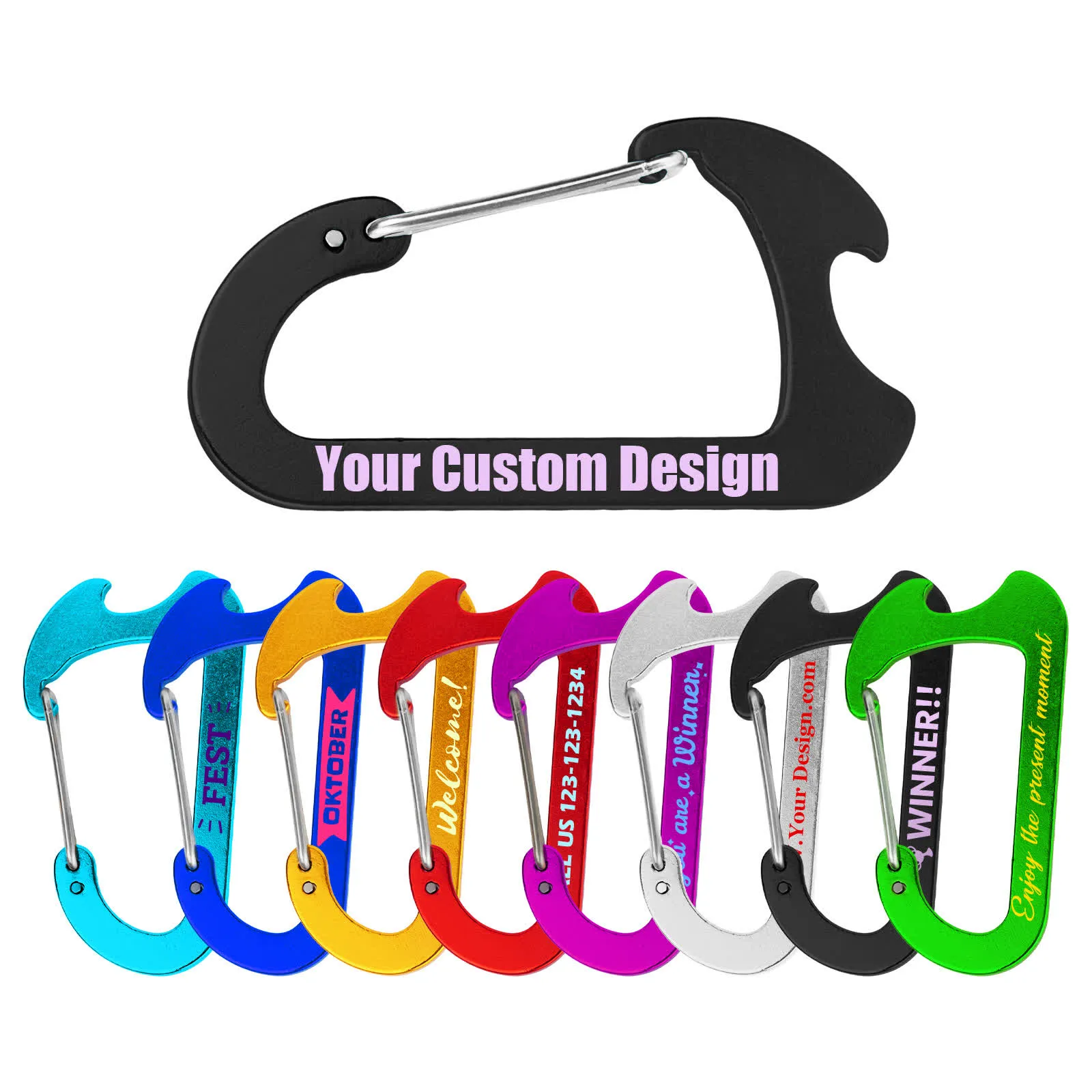
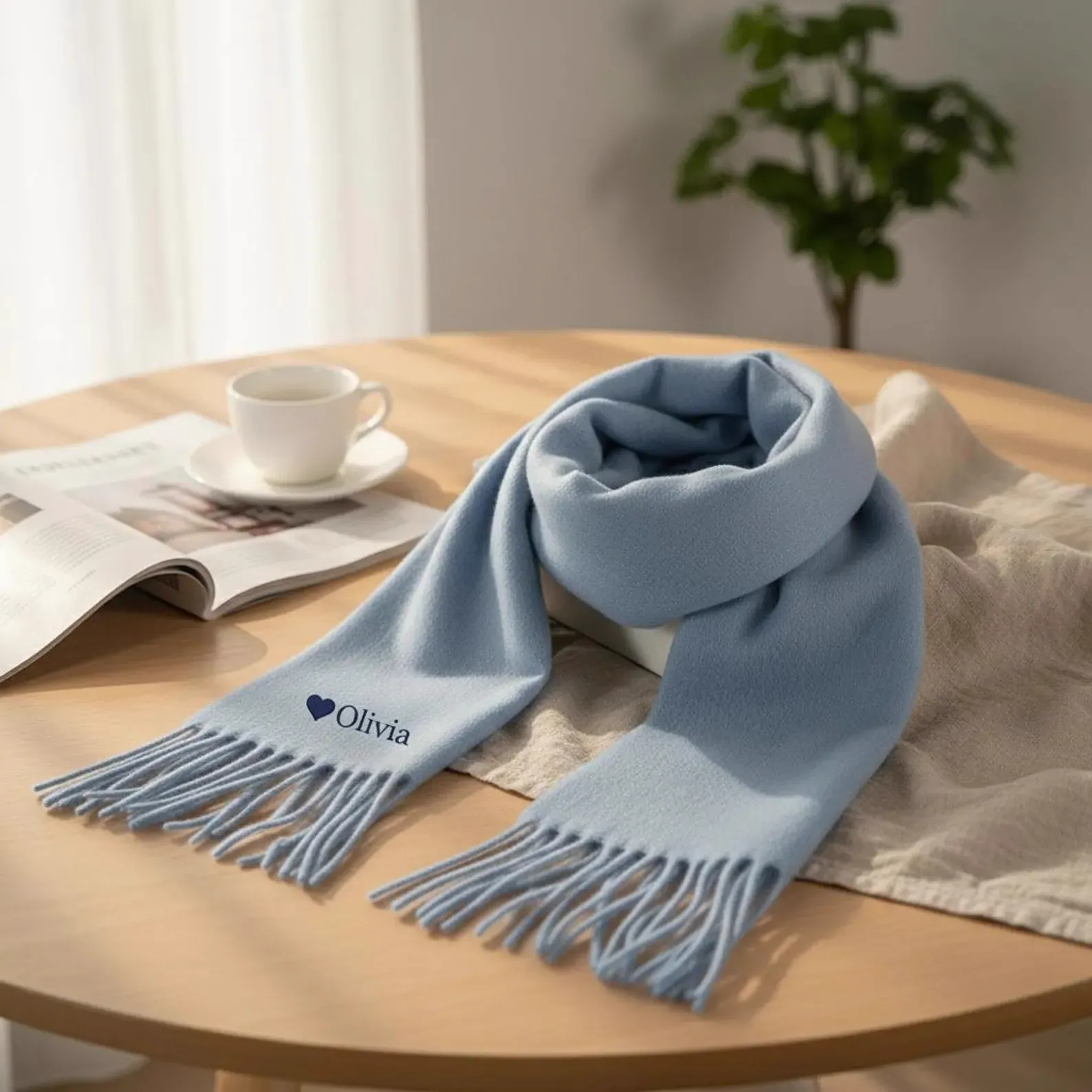
A strong logo result depends on the product surface. Screen printing is practical for simple solid artwork on bags, bottles, notebooks, and many promotional items. Pad printing fits small curved surfaces. UV printing supports full-colour artwork on many hard items. Laser engraving creates durable marks on metal, wood, and some coated surfaces. Embroidery works for hats, apparel, towels, patches, and textile gifts. Debossing, embossing, woven labels, heat transfer, sublimation, and foil stamping may be better for premium or private label products.
Private Label and Packaging Scope
Private label work should be discussed before quotation because packaging changes cost, lead time, inspection, and shipping volume. A custom product may need a retail box, belly band, hang tag, woven label, care label, barcode sticker, insert card, instruction sheet, tissue paper, gift bag, master carton label, or Amazon FBA carton mark. Packaging files should match the buyer's sales channel and destination-market rules. If packaging is left until the end, the project can be delayed even when the product itself is ready.
Sampling Strategy for Custom Orders
Sampling should match project risk. A digital mockup is fast and useful for confirming layout, but it cannot prove material, weight, texture, function, or print durability. A blank physical sample proves the product body but not the custom logo. A branded sample gives the closest preview of final production but may require setup cost and extra time. For repeatable sourcing, keep approved sample photos, artwork versions, material notes, packaging files, and inspection notes together so reorders are easier to control.
Quality Control Before Shipment
QC should be defined before the deposit, not after defects appear. For most custom products, inspection should cover appearance, size, colour, material, workmanship, logo position, logo sharpness, function, packing count, label placement, carton marks, and visible damage. For products with safety, food-contact, electrical, children-related, textile, or retailer compliance requirements, buyers should raise document needs before production. A supplier can prepare available documents only when the requirement is known early.
Shipping and Landed Cost Planning
A custom product quote should separate unit cost from landed cost. Freight, duty, taxes, customs clearance, insurance, brokerage, local delivery, and storage can change the real cost of a product. Large but light items may have high volume weight. Heavy items may be cheap to produce but expensive to move by air. Event merchandise needs calendar planning because production, packing, export, transit, customs, and local delivery all consume time. The best sourcing decision is based on total delivered value, not only unit price.
How To Compare China Suppliers
Compare suppliers by product fit, sample quality, communication clarity, artwork handling, packaging capability, inspection process, export experience, and ability to explain assumptions. A supplier that only gives a low price without confirming material, logo method, packing, lead time, or shipping term may create cost changes later. A reliable quote should state what is included, what is excluded, what needs buyer approval, and what could change after sampling or packaging confirmation.
When Custom Manufacturing Is Better Than Print-on-Demand
Print-on-demand can be useful for testing designs or serving very small orders, but it often limits product choice, packaging control, margin, and brand presentation. Custom manufacturing from China becomes more attractive when the buyer needs better unit economics, retail packaging, repeatable materials, controlled colour, product modifications, gift sets, distributor programs, or bulk event delivery. The switch usually makes sense when demand is predictable enough to plan sampling, production, and shipping.
How CustomInChina Handles RFQs
CustomInChina converts loose product ideas into supplier-ready RFQs. We review product references, quantity, customization method, packaging, sampling route, QC points, shipping destination, and deadline before pushing for final price. The result is a clearer order record: what product is being made, what logo method is used, what packaging is included, what sample must be approved, what inspection is expected, and how the goods should ship.
The Practical Goal of a Custom Page
A custom product page should not only attract traffic. It should help a buyer make a better sourcing request. That is why this page includes definitions, process steps, quote requirements, product examples, category links, FAQ answers, schema markup, and image references from the CustomInChina R2 image CDN. Search traffic, AI answer visibility, and conversion quality all improve when the content gives direct answers and leads buyers to a complete RFQ.
Custom Products from China FAQ
What are custom products from China?
Custom products from China are items sourced or manufactured in China with buyer-specific changes such as logo printing, engraving, embroidery, colour matching, material changes, packaging, labels, inserts, barcodes, or OEM/ODM adjustments.
What information is needed for a custom product quote?
Send product references, target quantity, logo files, material or size requirements, packaging needs, destination country, delivery deadline, target budget when available, and any compliance or marketplace rules.
Can CustomInChina help with small batch custom products?
Yes, when the product and logo method support it. Small batch orders should keep designs, colours, packaging versions, and SKU splits controlled so MOQ and setup cost remain realistic.
Do I need a sample before bulk production?
For most branded or private label orders, a sample, digital proof, or production proof is strongly recommended. It reduces risk around material, logo quality, packaging, colour, and fit for use.
Can you provide private label packaging?
Private label packaging can usually be reviewed when the buyer provides brand files, label rules, barcode needs, insert copy, box requirements, and destination-market requirements before quotation.
How long does custom product production take?
Lead time depends on product type, material, logo method, sample approval, packaging, quantity, and season. A simple logo item may move faster than an OEM or private label project with packaging and testing requirements.
How is quality controlled before shipment?
QC can include appearance checks, size checks, logo verification, functional checks, packaging counts, label review, carton marks, photo confirmation, and when needed AQL inspection or third-party inspection.
Can several product categories be combined into one campaign?
Yes. Many campaigns combine bags, drinkware, apparel, stationery, small gifts, and packaging into one branded program. The RFQ should define colour consistency, packaging, carton marks, split shipment rules, and deadline priorities.