If you are still choosing the right product category
Go to product category hubs to compare product families before choosing a sourcing route.
Use embroidery when the hat needs to look durable, permanent, and higher value. This is the default choice for custom embroidered hats with logo placement on front panels, bucket hats, baseball caps, staff uniforms, and retail merchandise. Use printing when the artwork is too detailed for thread, includes gradients or photographs, or when the order is a high-volume giveaway where cost matters more than texture. The practical rule is simple: embroidery for perceived value and repeat wear; printing for detailed artwork, fast campaigns, and lower cost. Many custom hat orders combine both, such as embroidered front logos with printed inside labels or back strap details.
A hat quote depends on the hat style and decoration method. Send these details in the RFQ:
| Decision point | Embroidery | Printing |
|---|---|---|
| Best for | Simple logos, premium merchandise, uniforms | Detailed logos, gradients, photographs, campaign art |
| Look and feel | Raised thread, durable, premium | Flat graphic surface, flexible artwork |
| Small text | Limited; simplify small details | Better for small text if print area allows |
| Color count | More thread colors raise cost and complexity | Full-color methods can handle more colors |
| Durability | Strong for repeated wear | Depends on print method and fabric adhesion |
| Setup factor | Digitizing and stitch count | Film, screen, transfer, or print setup |
| Typical use | Front caps, bucket hats, staff hats, retail caps | Event hats, trucker front panels, multi-color promotions |
Flat embroidery is the standard method for most custom hats. The logo is digitized into stitch data and sewn directly onto the hat panel. It works best for clean logos with bold shapes, limited colors, and readable text. The main cost drivers are stitch count, logo size, thread color count, and placement.
3D puff embroidery places foam under the thread so the logo stands up from the panel. It looks premium on structured snapbacks and baseball caps, especially for simple block letters or bold icons. It is not suitable for tiny text, thin lines, or complex gradients.
An embroidered patch is made separately and then sewn or heat-applied to the hat. This route works well when the hat material is hard to embroider directly or when the buyer wants a patch look across multiple hat styles. Patch edge, backing, and placement must be approved on a physical sample.
DTF is useful for full-color logos, gradients, and small-batch promotional hats. It can reproduce detail that embroidery cannot, but the sample must be checked for hand feel, adhesion, edge clarity, and durability after handling or washing.
Screen printing is cost-effective for simple logos at volume. It is best for flat color blocks and limited-color artwork. It is less flexible for gradients and photographic details.
UV printing can work on some flatter surfaces or structured components, but curved hat panels are less forgiving. Use it only when the supplier confirms compatibility with the hat style and sample result.
| Hat material | Embroidery | Printing |
|---|---|---|
| Cotton / canvas | Strong choice; stitches look clean and dimensional | Good; screen, DTF, and transfer methods work |
| Structured front panel | Best surface for flat or 3D embroidery | Good for DTF or screen print if the panel is stable |
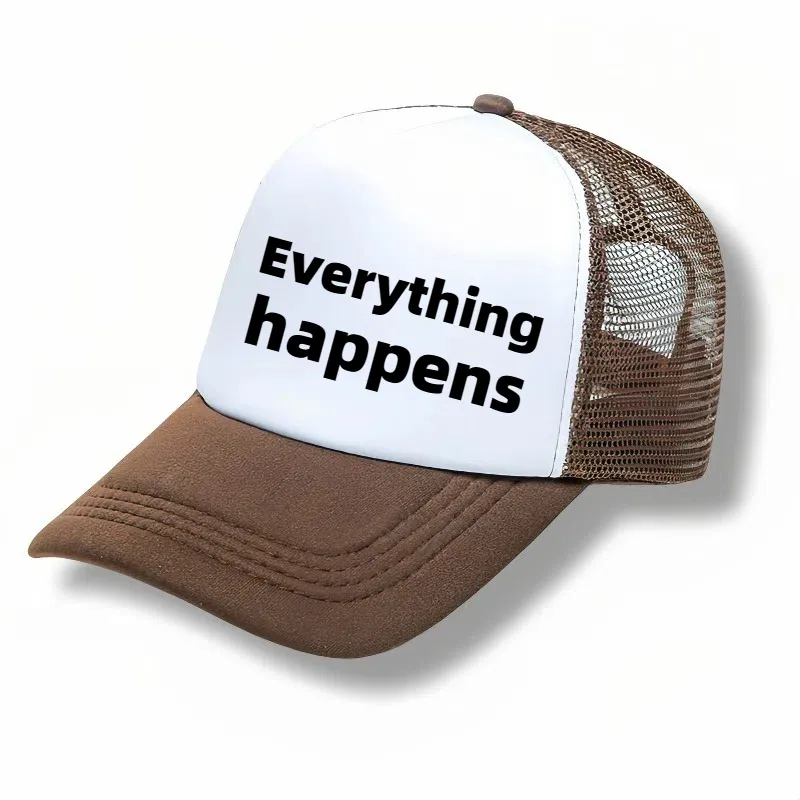
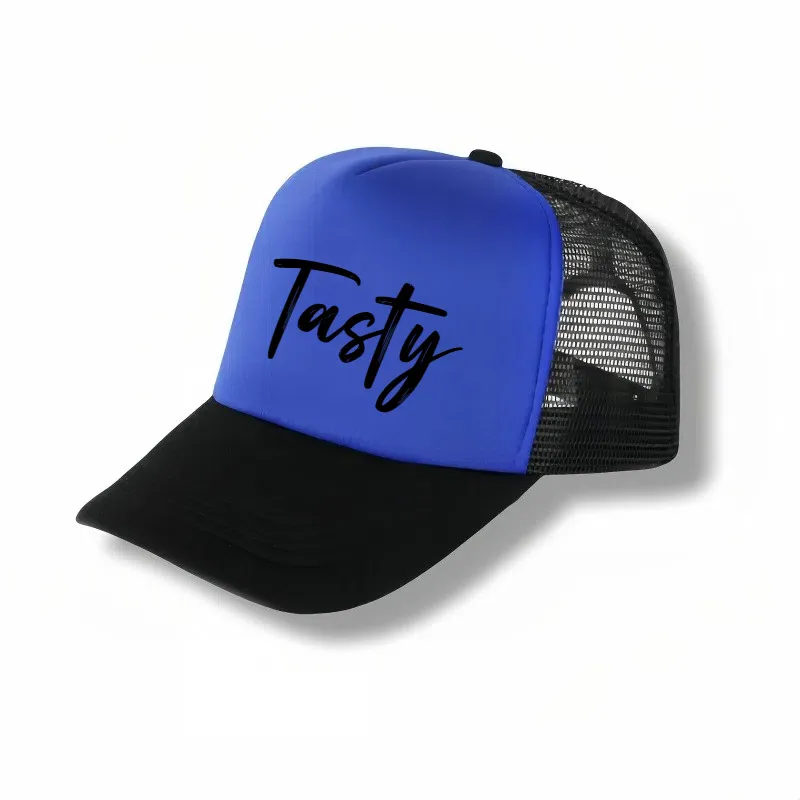
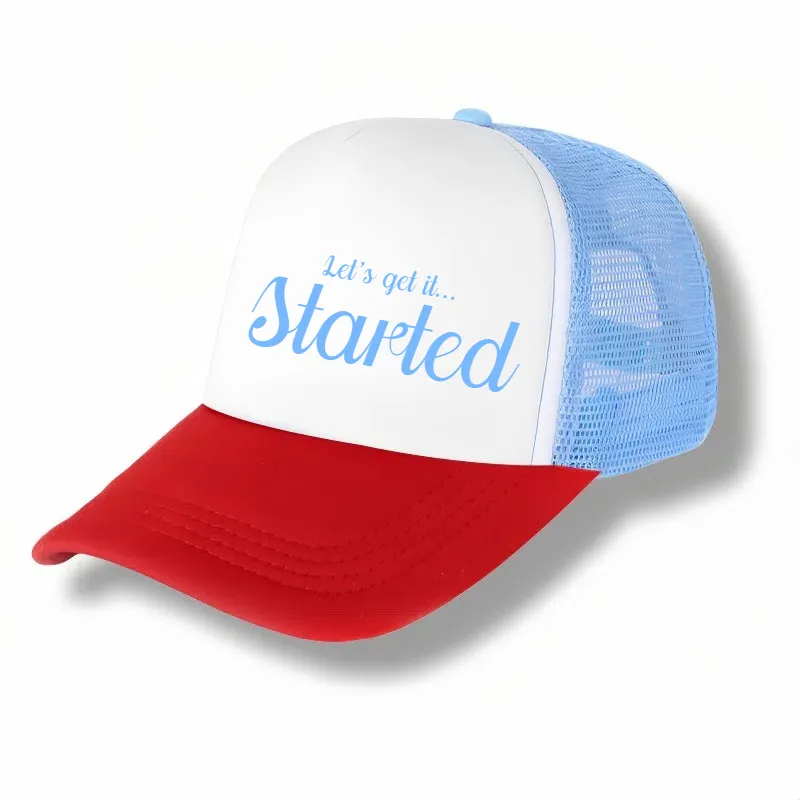
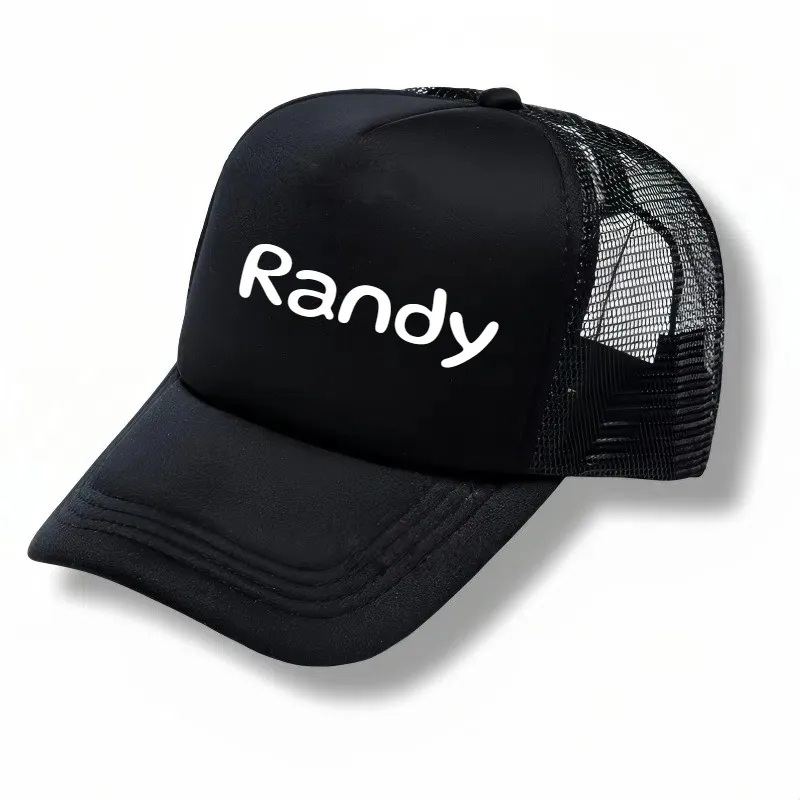
| Mesh trucker | Embroidery only on the solid front panel; not on mesh | Printing normally stays on the front panel |
| Polyester | Works, but needle marks and puckering need review | Good for heat transfer and DTF |
| Foam front | Usually better with print or patch than dense embroidery | Strong option for promotional trucker caps |
| Straw / woven styles | Usually use a patch or label instead | Usually use a patch or label instead |
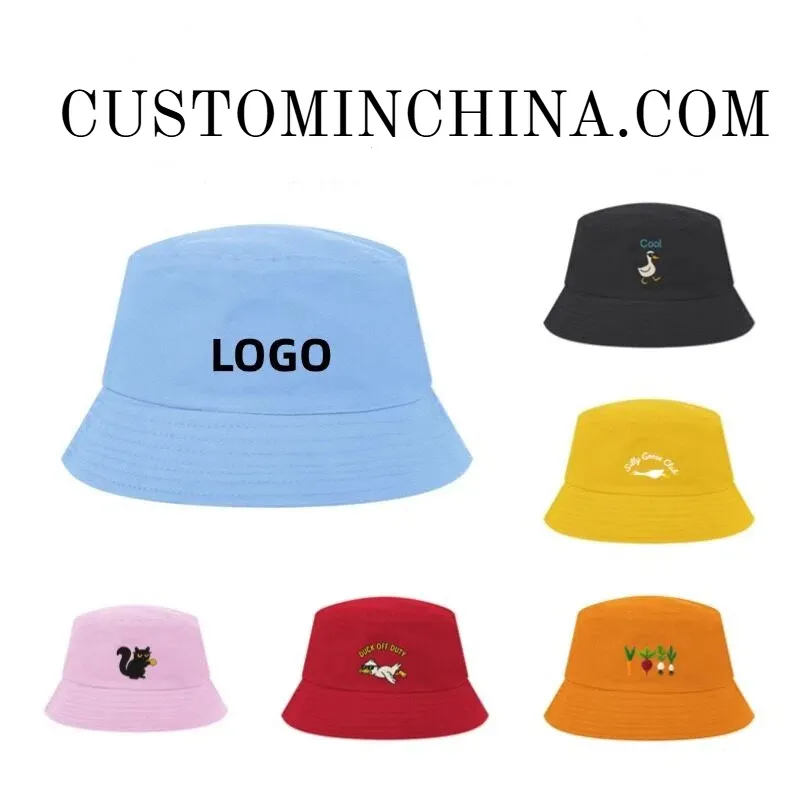
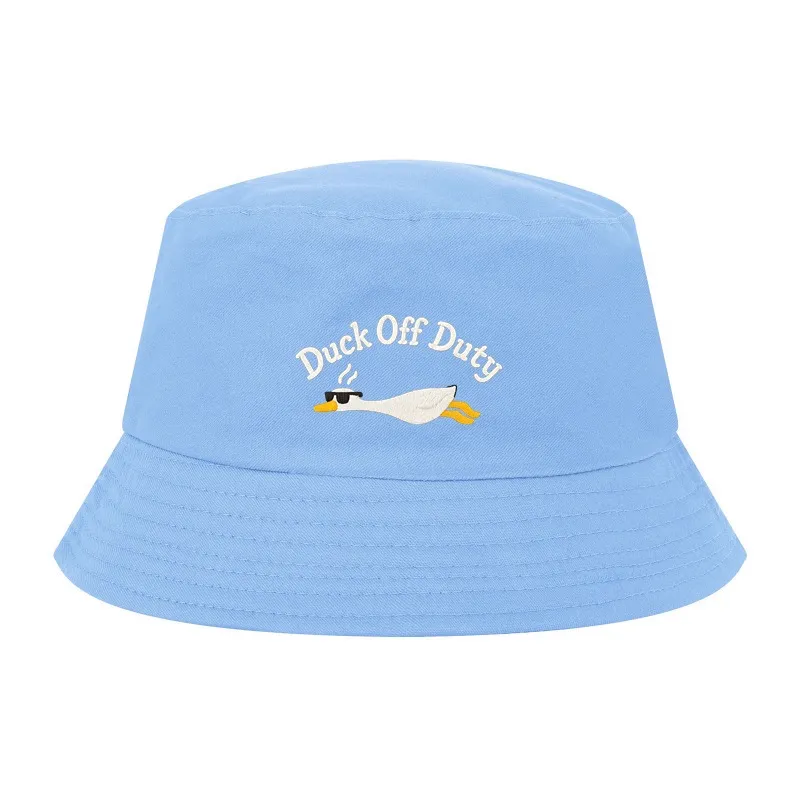
The custom bucket hat with embroidered logo and custom mesh trucker cap pages show two common routes: direct embroidery for a premium fabric hat and printed branding for a trucker-style cap.
The right logo method is not only a design choice. It affects sample cost, production speed, defect risk, packing method, and the way the final hat feels in the buyer's hand. A logo that looks perfect on a flat PDF may fail when it is sewn across a curved cap panel. A print that looks bright on a computer screen may look too glossy or too heavy on cotton twill. For that reason, the safest process is to choose the method according to use case first, then adjust the artwork for that method.
For retail merchandise, embroidery is usually the stronger starting point. A stitched logo gives the hat weight and dimension, and it helps the product feel less disposable. When a customer buys a branded cap from an online store, small details such as raised thread, neat backing, smooth panel shape, and clean brim construction influence perceived value. A printed logo can still work for retail, especially for streetwear graphics or full-color artwork, but the buyer should check hand feel and long-term surface wear carefully.
For staff uniforms, embroidery is also normally preferred. Uniform hats are worn repeatedly, handled often, and washed or wiped more than event giveaways. A simple embroidered logo on the front panel, side panel, or back strap area usually looks professional and holds up well. The order should focus on consistent placement, readable logo size, and thread colors that match the brand without disappearing into the hat fabric.
For event giveaways and short-term campaigns, printing can be the practical route. If the campaign artwork has several colors, a gradient, a mascot, a date, or a sponsor panel, print methods may reproduce the artwork more accurately than thread. Printing can also reduce cost when the goal is broad distribution rather than long-term retail value. The buyer still needs a sample, because print adhesion, edge clarity, and surface feel vary by material and supplier.
For sports teams, clubs, schools, and associations, the decision often depends on whether the hat is part of a uniform or a fundraiser. Uniform hats benefit from embroidery because the decoration looks more permanent. Fundraising hats may use embroidery for the main logo and a printed back or inside label for campaign information. If names, numbers, or small text change across the order, ask whether the variable elements should be printed instead of embroidered.
Embroidery converts artwork into stitches. This is why clean vector artwork is not automatically embroidery-ready. The supplier must digitize the logo, choose stitch direction, assign thread colors, set density, decide where trims happen, and adapt the artwork to the hat panel. The quality of digitizing has a direct effect on the sample. Poor digitizing can make curves uneven, letters thick, outlines distorted, or the front panel puckered.
The first rule is to simplify small details. Thin outlines, tiny registration marks, small slogans, fine serif letters, and complex icons often need to be enlarged, removed, or converted into bolder shapes. A logo that works on a T-shirt chest print may be too detailed for a cap front. If the brand must keep small text, test the real finished size before approving the order. Do not approve a digitized preview only because the computer file looks clean.
The second rule is to control stitch count. Embroidery is priced partly by stitch count because more stitches take more machine time and create more density on the fabric. A large filled logo can look premium, but it can also become stiff, expensive, and more likely to distort the panel. For promotional orders, buyers often reduce cost by using a smaller logo, fewer filled areas, or a patch instead of dense direct embroidery.
The third rule is to check thread contrast against the hat body. Tone-on-tone embroidery can look elegant, but it may disappear in product photos or from a distance. White thread on light khaki, black thread on dark navy, and red thread on burgundy can all become difficult to read. Ask for thread color references and review the sample under normal daylight, indoor light, and photography conditions if the hats will be sold online.
The fourth rule is to decide whether flat embroidery, 3D puff, or patch construction fits the logo. Flat embroidery is the most flexible. 3D puff is bold but not precise. An embroidered patch can carry more structure and can sometimes improve consistency across different hat styles. If the program includes bucket hats, trucker caps, baseball caps, and visors, a patch may help keep the logo appearance more consistent than direct embroidery on every product.
Printing is more forgiving for color and detail, but it has its own limits. The buyer should not assume that any print method works on any hat. The surface may be curved, textured, stretchy, coated, or unstable. A print that works on a flat cotton panel may not work well on mesh, straw, or heavily textured fabric. Supplier confirmation and sampling are important because hat panels are smaller and more curved than T-shirts or tote bags.
DTF transfer is useful when the artwork is full color, contains gradients, or needs a smaller production run. It can reproduce details that embroidery cannot. The tradeoff is that the print layer may have a noticeable hand feel, especially on softer cotton hats. Buyers should check whether the edge feels thick, whether the print bends naturally with the panel, and whether the surface becomes shiny under light.
Screen printing is efficient when the artwork uses simple solid colors and the order quantity is large enough to justify setup. It can create a cleaner hand feel than some transfer methods, but every color and screen affects setup planning. If the artwork changes between hat colors, or if several sponsor logos are included, screen printing can become more complex than expected.
Heat transfer, woven label, leather patch, PVC patch, rubber patch, and sublimation may also be considered depending on the hat material and brand style. These are not always direct replacements for embroidery or printing, but they can solve specific problems. For example, a leather patch may give outdoor merchandise a stronger retail feel, while a woven label may handle small text better than direct embroidery.
A physical sample is the most important step for custom hats. The sample proves the logo method, hat shape, material feel, color match, decoration placement, and packing approach before bulk production. Buyers should treat the sample as a technical checkpoint, not only a visual preview.
For embroidered hats, inspect the front of the logo first. The shape should match the approved artwork within the limits of stitching. Curves should be smooth, letters should be readable, and borders should not look broken. Then check the side view of the panel. If the logo is too dense, the fabric may pucker or become wavy. This issue is common when a large stitched area is placed on soft or unstructured fabric.
Next, inspect the back of the embroidery if accessible. Backing material, loose threads, and thread trimming should be neat. Some backing is normal, but it should not feel rough in a way that affects comfort. If the hat is unlined or lightweight, backing feel matters more. Also check whether the embroidery needle has left visible marks on coated fabric or delicate material.
For printed hats, inspect color, edge sharpness, opacity, placement, and adhesion. Rub the print lightly by hand. Bend the panel gently to see whether the print cracks or lifts. If the hat may be exposed to sweat, heat, or outdoor use, ask whether the supplier can perform a simple adhesion or wash-related check based on the material. The goal is not to turn every order into a laboratory test, but to catch obvious failure risks before production.
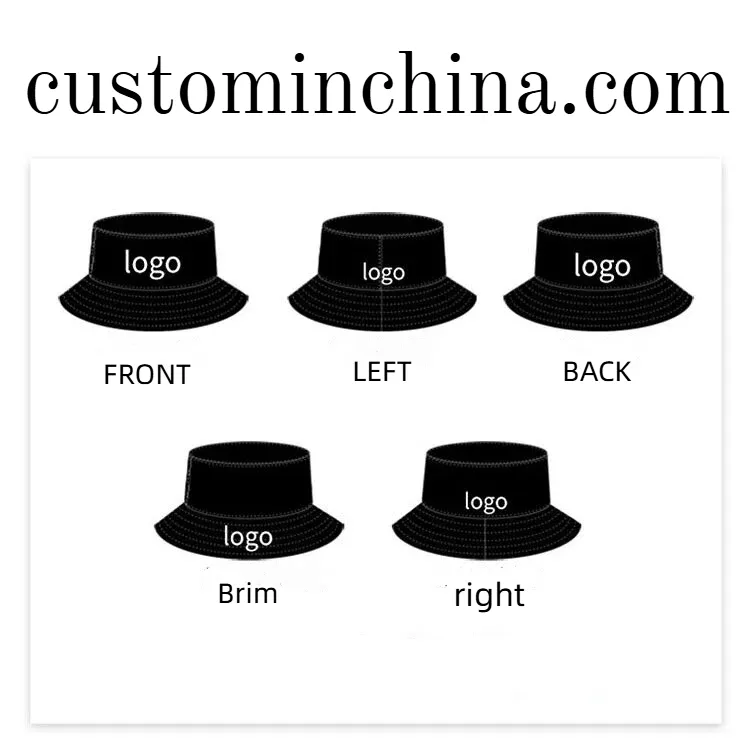
After sample approval, write down the approved specifications. Include logo size, placement distance from brim or seam, thread or ink colors, hat material, closure type, brim style, inner label, packing method, carton quantity, and any tolerance that matters. Production should follow the approved sample, not just the original artwork file.
| Buying scenario | Recommended method | Why |
|---|---|---|
| Premium brand merchandise | Flat embroidery or embroidered patch | Durable look, higher perceived value, strong for repeat wear |
| Bold streetwear logo | 3D puff embroidery | Raised effect works well on structured caps |
| Full-color event artwork | DTF transfer or screen print | Better detail and color reproduction than thread |
| Outdoor or workwear cap | Embroidery or woven/leather patch | Stronger surface and more permanent appearance |
| Low-cost giveaway | Printing | Usually better for high-volume promotional distribution |
| Multiple hat styles in one program | Patch or simplified embroidery | Helps keep logo appearance consistent across materials |
| Small slogan or fine-line artwork | Printing or woven label | More detail than direct embroidery |
| Retail bucket hat | Flat embroidery | Soft but premium finish when stitch density is controlled |
These recommendations are starting points, not fixed rules. The final choice should consider the artwork, hat fabric, order quantity, destination market, and how the hats will be used. When two methods both seem possible, order one sample of each method before committing to bulk production. The extra sample cost is usually lower than the cost of receiving thousands of hats with the wrong decoration feel.
Embroidery has setup cost because the logo must be digitized into stitch data. Higher stitch counts, more colors, 3D puff, and multiple logo positions increase both cost and sample risk. Printing can be more flexible for detailed artwork and smaller promotional runs, but setup still depends on the method.
Approve a physical sample before bulk production. For embroidery, check stitch density, thread color, logo shape, puckering, and backing. For printing, check color, alignment, adhesion, hand feel, and resistance to rubbing or washing. Lead time includes artwork review, digitizing or print setup, sampling, production, packing, and freight.
For planning purposes, the buyer should separate three time blocks: pre-production approval, bulk manufacturing, and shipping. Pre-production approval includes artwork review, digitizing or print setup, supplier questions, sample production, sample shipping, and revision time. Bulk manufacturing begins only after the final sample and final order details are approved. Shipping time depends on the destination, freight method, carton volume, customs documentation, and seasonal capacity.
Do not treat the MOQ as one number until all variables are fixed. The MOQ for a blank cap may be lower than the MOQ for a custom dyed cap. The MOQ for a one-color embroidered logo may be different from the MOQ for a multi-position decorated hat. If the buyer splits the order across many hat colors, each color may need its own minimum. If the buyer uses several logo versions, each version may require separate setup and production control.
The cleanest RFQ asks the supplier to quote a clear matrix: one hat style, one material, one logo method, one logo position, one packing method, and several quantity breaks. Then the buyer can ask for the cost impact of extra logo positions, 3D puff, individual poly bags, retail tags, carton marks, or upgraded packing. This makes the quote easier to compare and easier to approve internally.
Hats are light but bulky because they need shape protection. Flat packing reduces freight but can deform structured hats. Stuffed, nested, or boxed packing protects the product but increases carton volume. Ask for carton dimensions, pieces per carton, gross weight, and delivery terms before comparing landed cost. See how to order for delivery terms.
For urgent campaigns, air freight can protect the schedule but may make carton volume more important than product weight. A structured cap with careful packing may be charged by volume rather than actual weight. For larger retail or uniform programs, sea freight is usually more economical, but the buyer must plan earlier and confirm whether the hats need moisture protection during transit.
Carton planning should also match the receiving process. If a buyer orders several hat colors, sizes, closure types, or logo versions, mixed cartons may reduce packing time but increase warehouse sorting work. Clear carton labels, inner poly bag labels, and a packing list by SKU can prevent receiving errors. This is especially important for e-commerce sellers and distributors who need to ship the hats onward quickly.
When comparing landed cost, include product cost, decoration setup, sample cost, packaging, inland delivery, export handling, international freight, import duty, customs brokerage, and domestic delivery after arrival. A quote that looks cheaper at the factory gate may not be cheaper after packing volume and freight terms are added.
When contacting us, include:
Best for buyers reviewing customization method comparison, related SKU images, RFQ details, MOQ, sampling, packaging, QC, and shipment planning from China.
Embroidery is better for durable, premium-looking hats worn repeatedly. Printing is better for detailed, multi-color, or photographic artwork and for cost-sensitive promotional runs.
3D puff embroidery uses foam under the thread to create a raised logo. It works best on structured front panels with bold shapes or block letters.
Only if the design is simplified. Small text, thin lines, and gradients are difficult to reproduce with thread. DTF or screen printing is usually better for detailed artwork.
Send your artwork, target quantity, packing needs, destination country, and deadline to quote custom embroidered hats with logo with clear factory assumptions.
Data verified as of 2026-08-04. MOQ, lead time, packaging, and compliance scope should be confirmed against the actual order before purchase order approval.
Decision closure
Use the next step that matches your buying stage.
Go to product category hubs to compare product families before choosing a sourcing route.
Go to custom products for startups under 500 units to check low-MOQ order logic before asking for bulk pricing.
Go to the custom product brief form to send artwork, quantity, packaging, and destination details for review.