If you are still choosing the right product category
Go to product category hubs to compare product families before choosing a sourcing route.
Food-contact compliance for custom drinkware is not one certificate - it is a set of material and testing questions that vary by destination market. For ceramic mugs, stainless steel bottles, and glassware from China, the buyer should confirm what tests the factory can actually document: lead and cadmium migration for ceramic glazes, food-grade material statements for stainless steel, and destination-market requirements (such as FDA or EU food-contact rules) that apply to the specific product. The honest rule: ask the supplier what documentation they can provide, review it, and never repeat a compliance claim that is not backed by a document.
Food-contact materials touch food or drink during normal use. For drinkware this includes:
Compliance is the process of confirming these materials meet the destination market's limits for migration of harmful substances - lead, cadmium, and other heavy metals for ceramics; nickel and other elements for stainless steel.
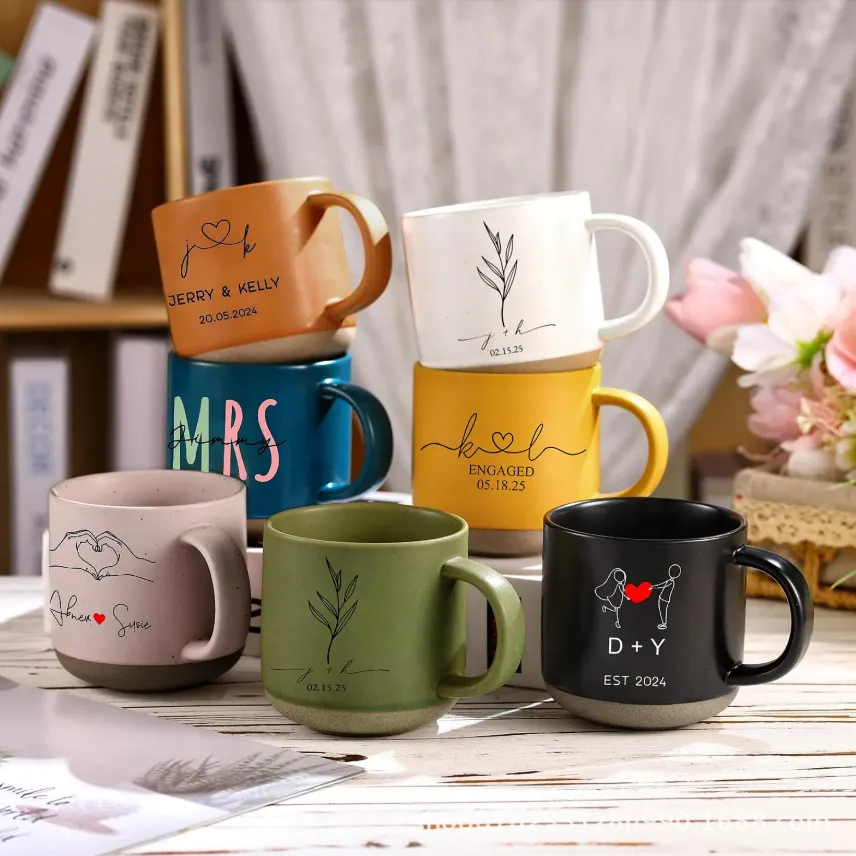
The custom ceramic mug page shows a typical drinkware specification; compliance documentation is confirmed per order.
The most common mistake in food-contact sourcing is treating compliance as a supplier badge. A factory may have made compliant drinkware before, but that does not automatically prove that the next custom mug, bottle, lid, coating, print, or gift set is compliant for the buyer's destination market. Food-contact compliance is tied to the actual product, actual material, actual surface, actual decoration, and actual use.
For a ceramic mug, the risk focus is often glaze and decoration because ceramic foodware can leach lead or cadmium if materials and firing are not controlled. For stainless steel drinkware, the buyer should confirm the steel grade, any internal coating, lid components, gasket materials, and whether the surfaces that touch liquid are appropriate for food-contact use. For glassware, the buyer should check decoration, rim finish, and any coating or printed area that may contact lips or liquid.
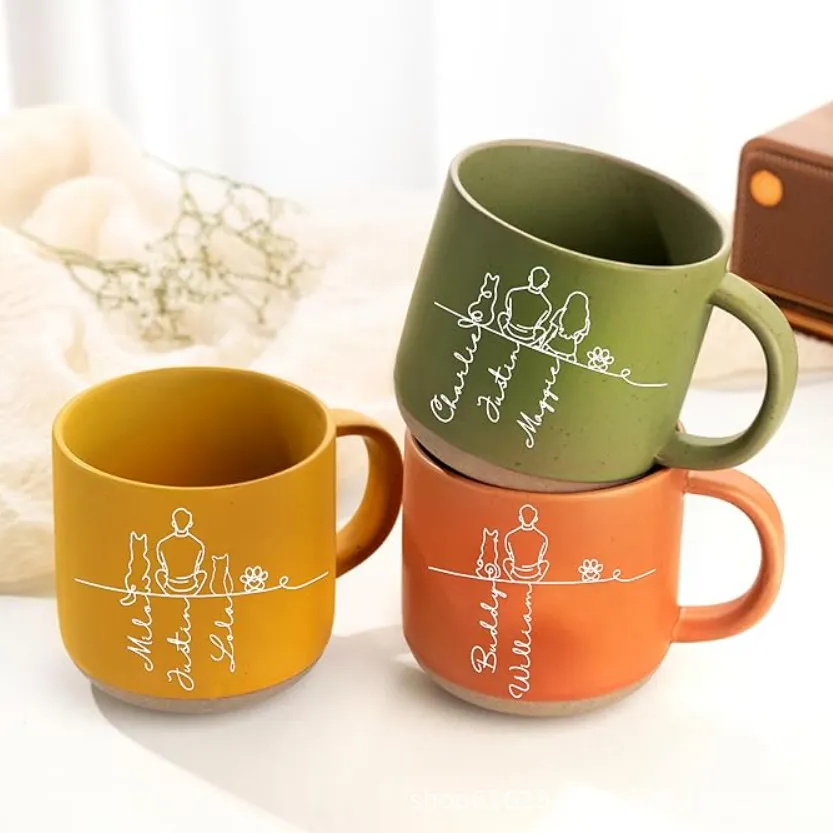
The destination market matters because rules and documentation expectations differ. A document prepared for one market may not satisfy another market. A US retailer, an EU importer, a UK distributor, and an Australian brand may ask for different formats, test standards, declarations, or supplier statements. The RFQ should state the selling market before the supplier quotes documentation.
The buyer should also separate legal compliance from marketing language. "Food safe," "FDA approved," "EU certified," and "non-toxic" are often used casually in sales messages. They should not be repeated in product listings unless the buyer has documents that support the claim. The safer wording is specific: "supplier can provide material statement," "lead and cadmium migration report available for ceramic glaze," or "food-contact documentation confirmed for this order."
| Drinkware type | Main material questions | Main document focus |
|---|---|---|
| Ceramic mug | Glaze, decoration, firing quality, rim contact | Lead and cadmium migration, product-specific report |
| Stainless tumbler | Steel grade, weld quality, internal surface, lid/gasket | Material statement, migration or food-contact documentation |
| Stainless bottle | 304/316 steel, cap, straw, silicone gasket | Material statement and component documentation |
| Glass cup | Glass composition, rim, printed decoration | Food-contact statement and decoration review |
| Plastic bottle | Resin type, additives, lid, straw | Plastic food-contact documentation for target market |
| Silicone parts | Gasket, straw, sleeve, seal | Silicone food-contact statement or test report |
| Bamboo or composite cup | Binder, coating, printed surface | Product-specific food-contact review; avoid vague natural claims |
This table helps the buyer ask the right question. A ceramic mug buyer should not focus only on stainless steel grade. A stainless bottle buyer should not ignore the silicone gasket. A plastic tumbler buyer should not accept a generic "food grade" claim without knowing the resin and applicable market requirements.
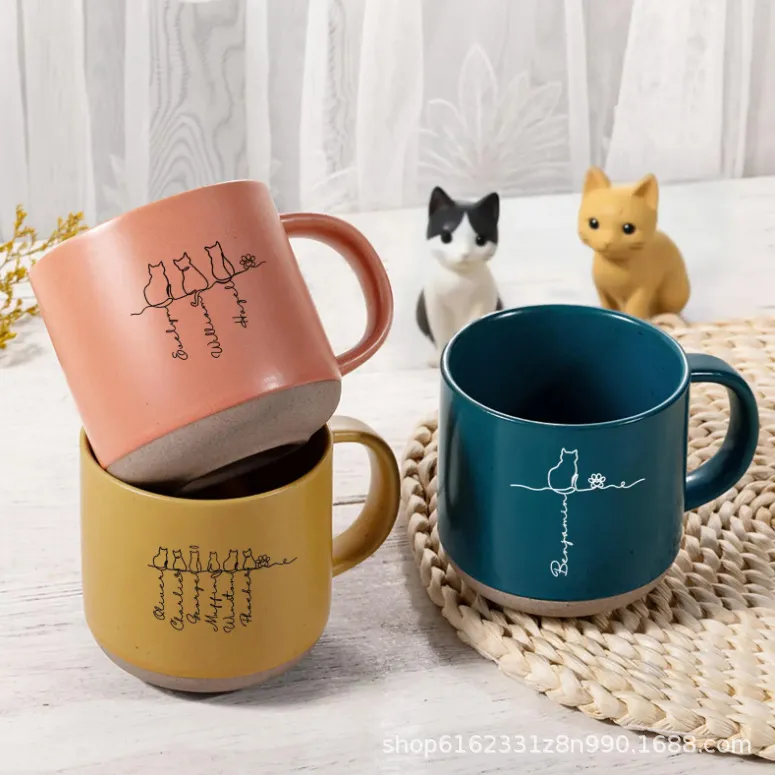
For custom drinkware, decoration can change the compliance profile. A plain mug and a mug with full-color decoration are not identical. A print on the outside wall may still matter if it is near the rim, handle, lip-contact area, or a surface that may touch food. A lid logo may be more sensitive than a body logo if the lid touches the drink or user's mouth.
For the US market, buyers often ask about FDA food-contact expectations. In practice, the supplier should provide material statements and test documentation that support the intended use. For ceramic foodware, lead and cadmium leaching are important topics. FDA guidance and compliance policy materials discuss extractable lead and cadmium concerns in ceramic foodware, especially where ceramics can retain liquids.
For the EU market, food-contact materials must meet the EU framework for materials intended to contact food, and materials should be manufactured under good manufacturing practice. The EU approach also includes material-specific legislation and national rules for some materials. This means an EU buyer should ask for a declaration of compliance or relevant test documentation that matches the material and destination.
The practical point is simple: do not ask the supplier, "Is it compliant?" Ask, "What documents can you provide for this exact mug or bottle for the US or EU market?" Then review whether the document names the correct material, test item, date, lab, standard or method, and result. If the product has changed since the report, ask whether the report still applies.
For large retail programs, marketplace listings, or regulated channels, buyers should use independent lab testing on a production sample. Supplier documents are useful, but buyer-side testing provides stronger control when the order value and liability are high.
A buyer does not need to be a chemist to catch basic document problems. Start with identity. Does the report name the same product type, material, model, color, coating, or decoration as the order? A report for a plain white mug may not prove a decorated mug with a different glaze or print. A report for one bottle model may not cover a different lid or gasket.
Next, check the issuing lab and report date. A recognizable third-party lab report is stronger than an internal claim. The report should be recent enough to be relevant and should match the supplier, factory, or product model. If the report is old, ask whether material, glaze, coating, or supplier source has changed since the test.
Then check the test items. For ceramic mugs, look for lead and cadmium migration or leaching information. For plastic, silicone, and coatings, look for tests relevant to the material and market. For stainless steel, look for material grade statements and any relevant migration or composition evidence. The report should show pass/fail results or measured values against a stated limit or standard.
Finally, check whether the report covers the intended use. A decorative ceramic item is not the same as a mug intended for hot coffee. A bottle for cold water is not the same use as a product marketed for hot beverages if temperature affects migration or lid performance. Use conditions matter.
Ceramic mugs need special attention because glaze and decoration can contain substances that may migrate if not properly controlled. The buyer should ask whether the mug is intended for food and drink use, whether the glaze is food-contact suitable, whether the decoration is outside only or near the rim, and whether lead and cadmium migration documentation is available.
The rim and inner wall are the most sensitive areas because they contact the drink or lips. Decoration placed near the rim should be reviewed carefully. If the mug has metallic glaze, bright decoration, reactive glaze, hand-painted effects, or novelty finishes, the buyer should ask whether those finishes are tested for food-contact use.
Microwave and dishwasher claims should also be supported. A mug can be food-contact suitable but not microwave safe if it contains metallic decoration. A decoration can look good at delivery but fade after repeated washing. If the buyer wants to market microwave-safe or dishwasher-safe features, request support for those claims and test samples in realistic use.
For decorative ceramicware that is not intended for food use, labeling matters. A decorative item that looks like it could hold food or drink should not be sold in a way that encourages food use unless it meets the required food-contact expectations. Buyers should avoid turning decorative products into drinkware listings without proper review.
Stainless steel drinkware is often described as "304 food grade," but the buyer should still confirm the full construction. The body, inner wall, lid, straw, gasket, coating, and any internal lining can involve different materials. A stainless body does not automatically prove that the plastic lid or silicone gasket is suitable.
For stainless tumblers and bottles, ask for the steel grade, inside surface finish, welding quality, lid material, gasket material, and straw material if included. If the bottle is vacuum insulated, also check whether the construction meets the claimed performance. Compliance and function are separate: a material can be suitable for food contact while the product still leaks or fails insulation.
Colored coatings on the outside usually do not contact the drink, but they still affect safety claims, durability, and customer experience. Powder coating, paint, and full-wrap decoration should be cured properly and should not chip easily. If coating is near the lip or on a lid component, review it more carefully.
For lids, pay attention to silicone seals, plastic sliding parts, straws, and mouth-contact surfaces. These parts may need their own documentation. If a supplier provides a report only for stainless steel sheet, it does not necessarily cover the finished drinkware set.
| Question | What to verify |
|---|---|
| Could a ceramic mug contain lead or cadmium? | Ask for glaze migration test documentation. |
| Is the stainless steel food grade? | Ask for material statements and migration testing where applicable. |
| Can decoration contact food or drink? | Confirm the print is cured properly and outside decoration does not migrate. |
| Are FDA and EU requirements the same? | No; confirm documentation for the target market. |
| The supplier says it has certification. What next? | Ask for the report that matches the specific product and material. |
When preparing a drinkware RFQ, ask for the documents that match the product and market. The list may include:
The buyer should keep these documents with the purchase order, sample approval, inspection report, and shipping documents. This record helps answer customer, retailer, customs, or marketplace questions later.
Sample approval should cover more than visual quality. For drinkware, the sample should be reviewed for material, surface, decoration, lid fit, odor, leakage, capacity, and documentation. If the buyer plans independent testing, the tested sample should match the final production specification.
For ceramic mugs, inspect glaze smoothness, rim finish, handle attachment, base stability, decoration placement, and any chips or cracks. A chipped rim or rough glaze is not only a cosmetic problem; it can affect user safety and customer perception. If the mug is printed, check whether the decoration is away from the lip-contact area unless the supplier confirms that it is suitable.
If the sample is changed after testing, testing may need to be repeated. A different glaze, color, lid, gasket, coating, or decoration can change the compliance profile. The tested product and the production product should match.
Compliance documentation is confirmed during quoting and sampling, not after production. Ask for the documents in the RFQ so the sample approval covers the compliance check too. MOQ and lead time for custom drinkware depend on the configuration; confirm them for the exact product in the RFQ.
Compliance checks can affect lead time. If the supplier already has relevant reports for the exact product, document review may be fast. If the buyer needs a new third-party test on the finished product, schedule extra time for sample preparation, lab testing, report issuance, and any correction if the product fails.
MOQ can also be affected by compliant materials. A standard material with existing documentation may support a lower MOQ. A custom glaze, custom plastic color, new lid material, or unusual coating may require separate material sourcing and testing. This can raise both MOQ and lead time.
For resale programs, do not leave testing until the shipment is ready. If the product fails testing after production, the buyer may face delay, rework, discounting, or unsellable inventory. Test the pre-production or production sample early enough to act on the result.
Quality control should compare the production product to both the approved sample and the document package. If the approved test report covers a white ceramic mug, but bulk production uses a colored glaze, ask whether the report still applies. If the report covers a stainless body but not the lid, check whether lid documentation is available.
Packing is part of drinkware quality. Ceramic and glass can break during shipping. Stainless coatings can scratch. Lids can rub against the body. Gift boxes can dent. The packing method should protect the product and preserve the retail appearance.
Drinkware is heavy for its size, so freight is weight-driven and sea freight is the normal route at quantity. Ceramic needs individual protection to survive transit. Confirm FOB or CIF terms in the RFQ. See how to order for delivery options.
Drinkware also needs protective packing, which increases carton volume. A ceramic mug in a white box, a tumbler in a gift box, or a bottle with a straw and brush takes more carton space than the product alone. The buyer should confirm carton dimensions, gross weight, pieces per carton, and breakage protection before comparing freight.
For compliance-sensitive orders, shipping documents and product documents should be organized before goods leave the factory. If customs, retailer, or marketplace review requests paperwork, the buyer should already have it.
A useful compliance RFQ is direct:
Product: custom ceramic mug for resale in the US. Capacity 12 oz, white glaze, full-color outside print, no decoration on rim or inside. Please quote MOQ, sample cost, production time, packing, and food-contact document package. Please confirm whether lead and cadmium migration documentation is available for this exact mug and glaze. We will review documents before bulk production.
For stainless drinkware:
Product: 20 oz stainless steel vacuum tumbler for EU market. Body: 304 stainless steel. Lid: plastic with silicone gasket. Decoration: laser logo on outer coating. Please provide material statement for body, lid, and gasket, and confirm food-contact documentation available for the target market.
These examples give the supplier enough information to answer the compliance question. They also prevent vague replies such as "all products are food safe" without product-specific support.
Before approving a drinkware quote, ask:
These questions help the buyer separate real evidence from sales claims.
Best for buyers reviewing compliance guide, related SKU images, RFQ details, MOQ, sampling, packaging, QC, and shipment planning from China.
It depends on the glaze and production quality. The standard safeguard is a lead and cadmium migration test report for the specific mug; require the document rather than a verbal claim.
Ask for the material statement, any lab test report covering migration for the specific product, a declaration of compliance where available, and confirmation the documentation matches your destination market.
Food-grade stainless (typically 304) is the standard for drinkware, but the claim should be confirmed with material statements and, where required, migration testing. Confirm the grade in the RFQ.
Send your artwork, target quantity, packing needs, destination country, and deadline to quote food safe custom mugs China with clear factory assumptions.
Data verified as of 2026-08-04. MOQ, lead time, packaging, and compliance scope should be confirmed against the actual order before purchase order approval.
Decision closure
Use the next step that matches your buying stage.
Go to product category hubs to compare product families before choosing a sourcing route.
Go to custom products for startups under 500 units to check low-MOQ order logic before asking for bulk pricing.
Go to the custom product brief form to send artwork, quantity, packaging, and destination details for review.