If you are trying to avoid marketplace listing noise
Go to factory-direct custom products without marketplace sourcing to build a normalized RFQ before comparing supplier quotes.
Pet retail is one of the strongest niches for custom products from China because pet owners buy emotionally and repeat: apparel, collars, bowls, beds, and accessories are reordered as pets grow and as styles change. A pet brand or retailer should treat the first custom order as a small test of the full chain - design, material, logo, sizing, QC, and packaging - because pet products fail on safety and sizing before they fail on price. Confirm pet-safe materials, size ranges across breeds, and destination-market labeling requirements in the RFQ.
A brand launches a dog hoodie line with its own label. The order needs fabric that matches the brand's colors, sizes from extra small to extra large, and a hang tag with the brand story. Custom pet apparel like the custom pet dog hoodie works when sizing is confirmed per breed - a 3 kg Chihuahua and a 12 kg beagle are different products.
Pet apparel is attractive because it combines emotional design with repeat buying. A retailer can launch seasonal hoodies, raincoats, sweaters, bandanas, cooling vests, or holiday outfits. The challenge is sizing. Unlike human apparel, pet fit depends on breed shape, chest depth, neck size, back length, and movement. A French bulldog, dachshund, poodle, corgi, and beagle may need different proportions even if their body weight is similar.
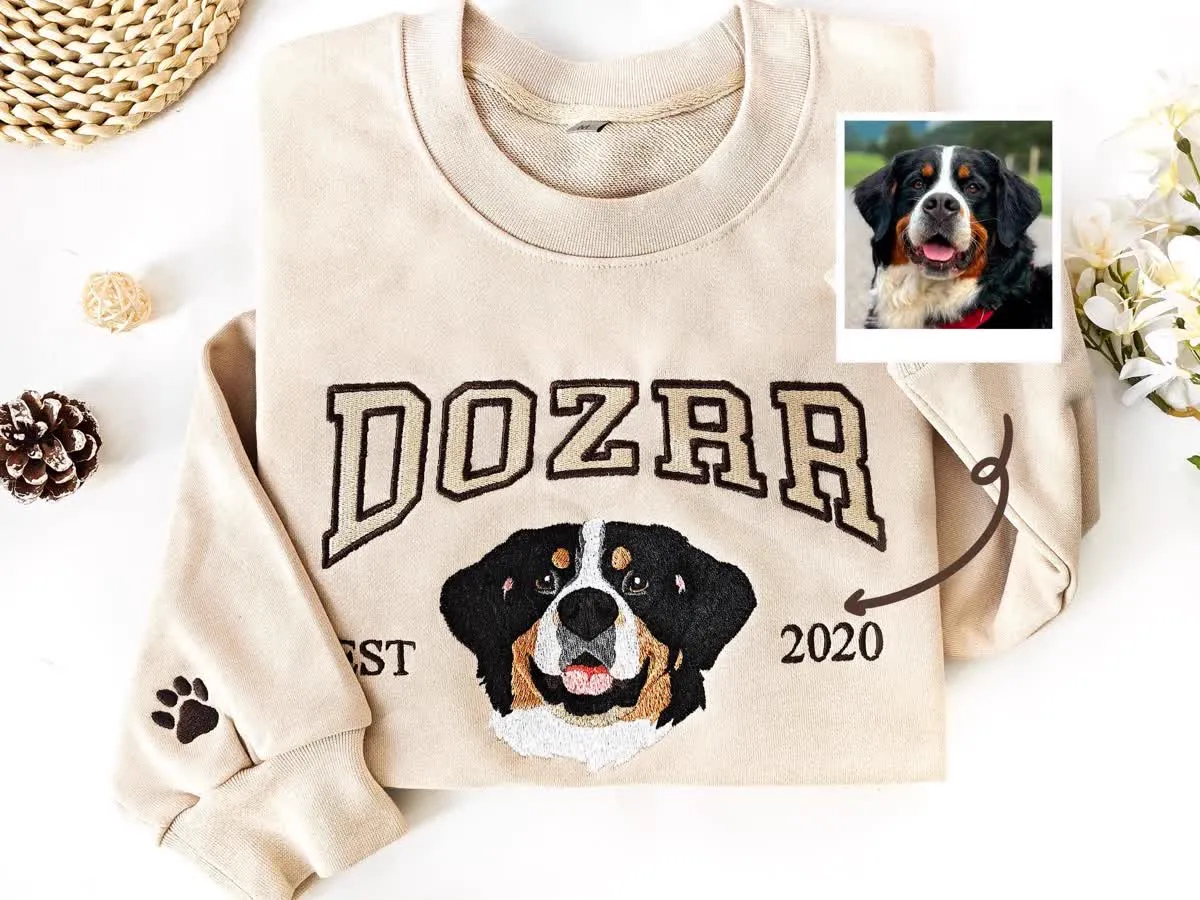
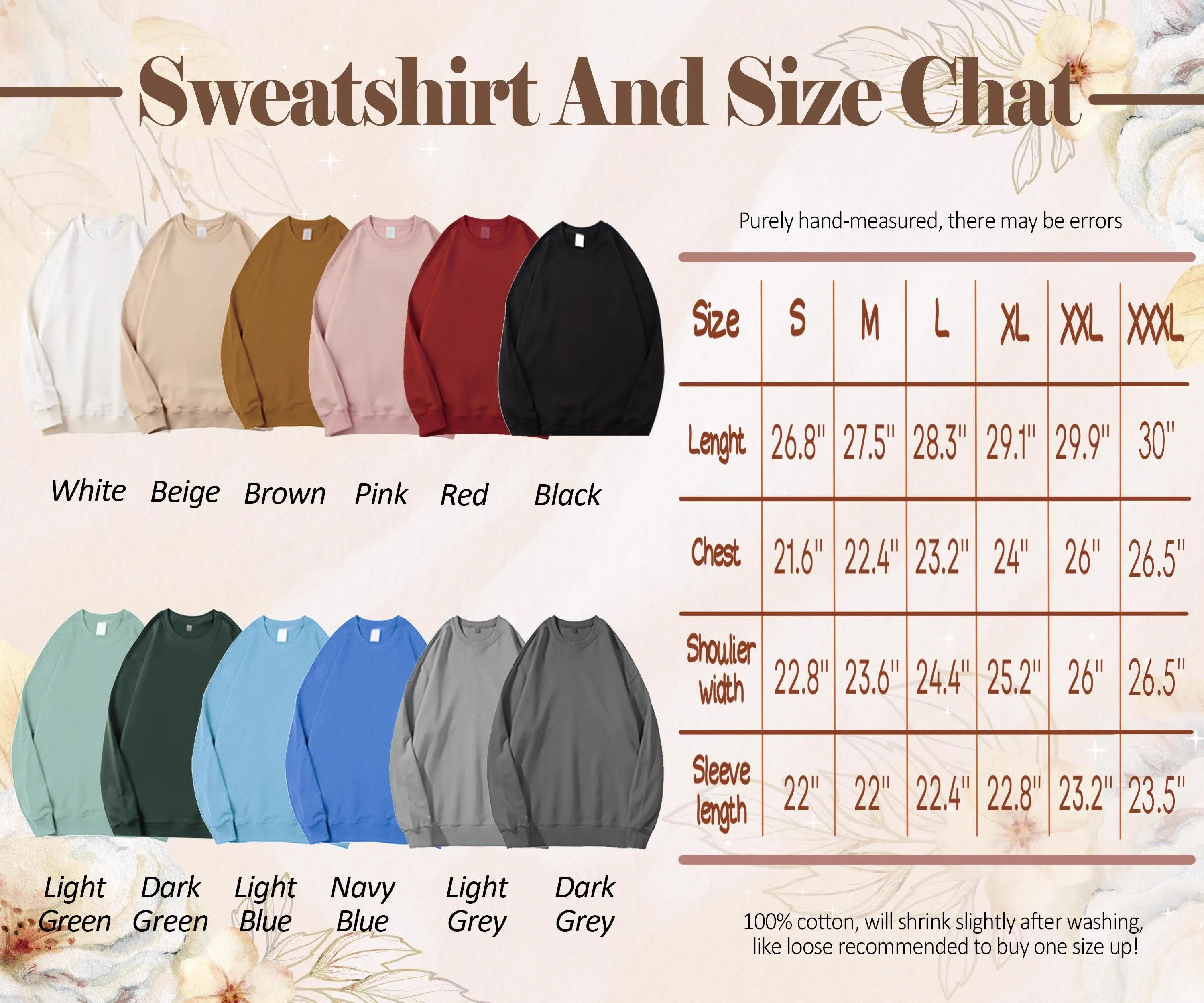
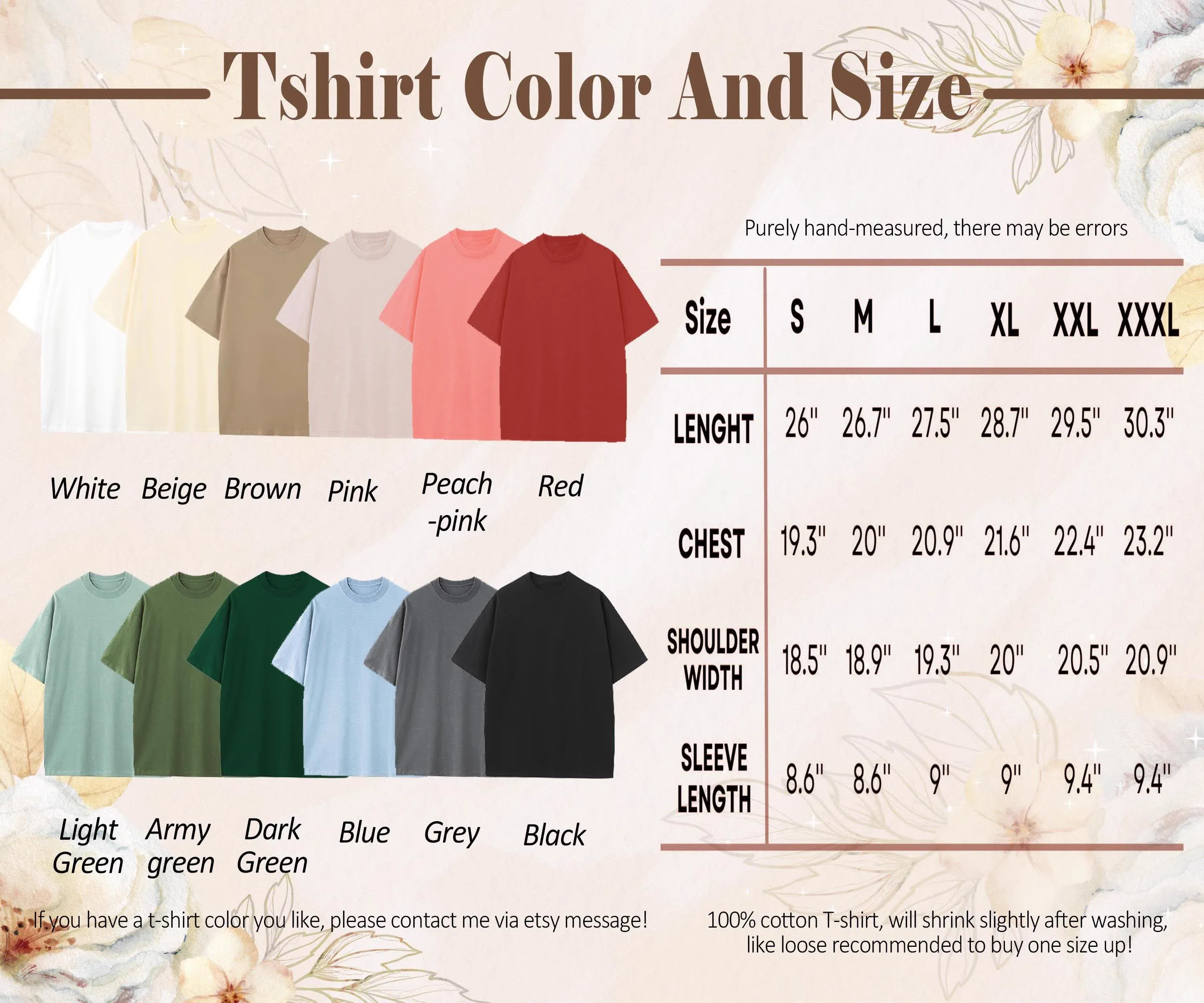
For a first apparel line, keep the style simple. Choose one core body, a limited color range, and a clear size chart. Once the fit is proven, the buyer can expand into more colors, seasonal fabrics, or matching accessories.
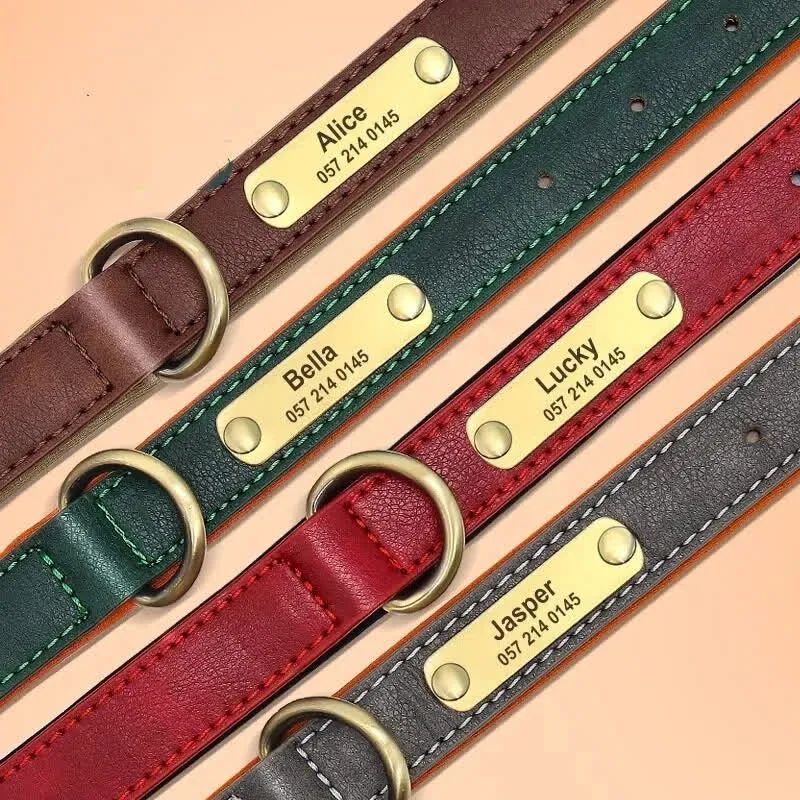
A pet store wants its own collar line with engraved ID tags. Leather collars with engraving sell as higher-value items; the brand mark is the differentiator. Check stitching, buckle hardware, and engraving depth on the sample, and confirm the sizes map to real neck measurements.
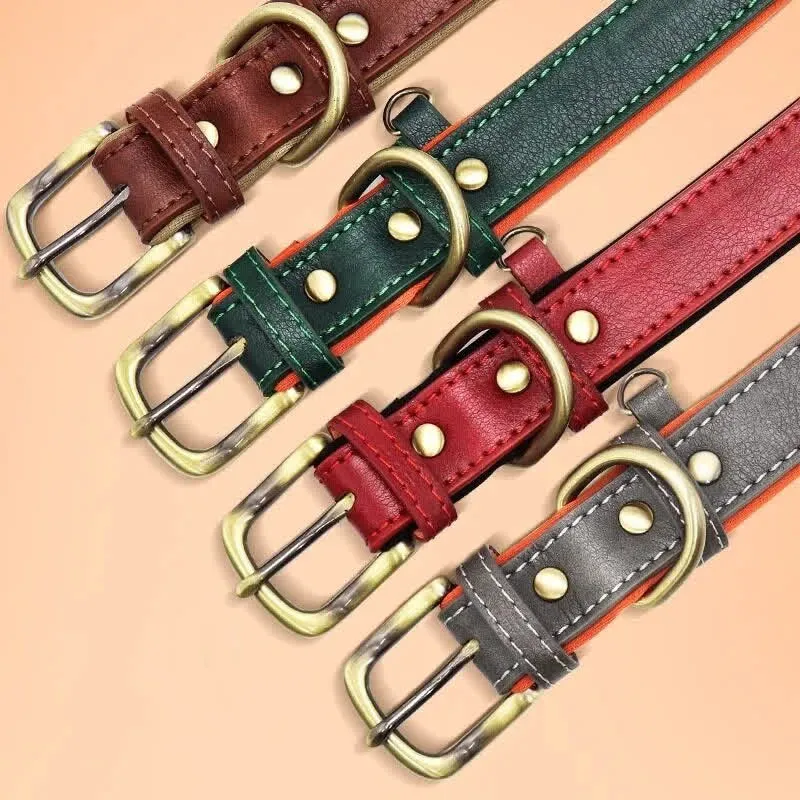
Collars and leashes are safety products as much as fashion products. Hardware quality, stitching strength, buckle function, and strap edge finish matter more than a slightly lower unit price. A collar that looks good but fails under pull force creates a serious customer issue. For that reason, the RFQ should state buckle type, D-ring material, strap width, hole spacing, size range, and whether breakaway or quick-release features are required.
Leather collars can support premium positioning, especially with engraved tags or debossed logos. Nylon collars can support colorful patterns, reflective tape, and lower-cost volume. Biothane-style or coated webbing can work for outdoor, waterproof, or easy-clean positioning. The supplier should confirm the material and hardware combination in the sample.
Pet memorial and keepsake products - photo keychains, urns, ornaments - are a high-margin niche driven by emotion. Quality and packaging matter more than price; the buyer is buying a memory.
This category requires careful packaging and surface quality. A memorial ornament, photo frame, engraved tag, or keepsake box should not arrive scratched, bent, or poorly printed. For personalized items, the workflow for names, dates, photos, or messages must be controlled.
Memorial and gift items also need a different marketing mindset. The product may be small, but the emotional value is high. Buyers should choose materials, finishes, and packaging that support that value. A slightly better box, pouch, or insert card may be worth the cost if the product is sold as a gift.
Pet bowls, toys, and travel items sold alongside a main product line. These have lower unit value but repeat volume; standard sizes and simple printing keep costs down.
Add-on products are useful for increasing basket size. A dog bowl, collapsible travel bowl, grooming glove, poop bag holder, bandana, treat pouch, or toy can be sold with apparel and collars. These items should be easy to explain, easy to ship, and simple to reorder. The buyer should avoid too many unique SKUs in the first run because pet retail already has many size and color variations.
For add-ons, focus on safe materials, practical packaging, and clear product labeling. A low-cost toy or bowl can still damage the brand if it smells strongly, breaks quickly, or looks cheap on the shelf.
| Category | Common products | Main buying risk | Best first-order strategy |
|---|---|---|---|
| Apparel | Hoodies, sweaters, raincoats, bandanas | Fit and size returns | Start with one body and limited size/color range |
| Collars and leashes | Leather, nylon, reflective, engraved | Hardware strength and safety | Sample pull points and buckle function |
| Bowls and feeders | Stainless bowls, silicone bowls, travel bowls | Material safety and stability | Use standard sizes and clear material specs |
| Toys | Plush, rope, rubber, squeaky toys | Detachable parts and durability | Avoid small parts; define target pet size |
| Beds and mats | Cushion beds, blankets, crate mats | Fabric, filling, compression, freight | Confirm packed volume and washing instructions |
| Grooming items | Brushes, gloves, towels, wipes accessories | Material comfort and cleaning function | Test hand feel and use case |
| Gift and memorial | Tags, frames, ornaments, keepsakes | Surface quality and personalization errors | Approve packaging and personalization workflow |
This matrix helps the buyer avoid treating all pet products as the same sourcing problem. Apparel is a fit problem. Collars are a safety and hardware problem. Toys are a durability and choking-risk problem. Gift items are a presentation and personalization problem.
Customization should support the pet and the buyer's sales channel. A logo that works on a hang tag may not be comfortable as a large chest print. A metal tag that looks premium may add noise or weight for a small dog. A thick woven label may irritate if it sits inside a garment. These small details matter because pets cannot tell the owner why a product is uncomfortable; they simply refuse to wear it.
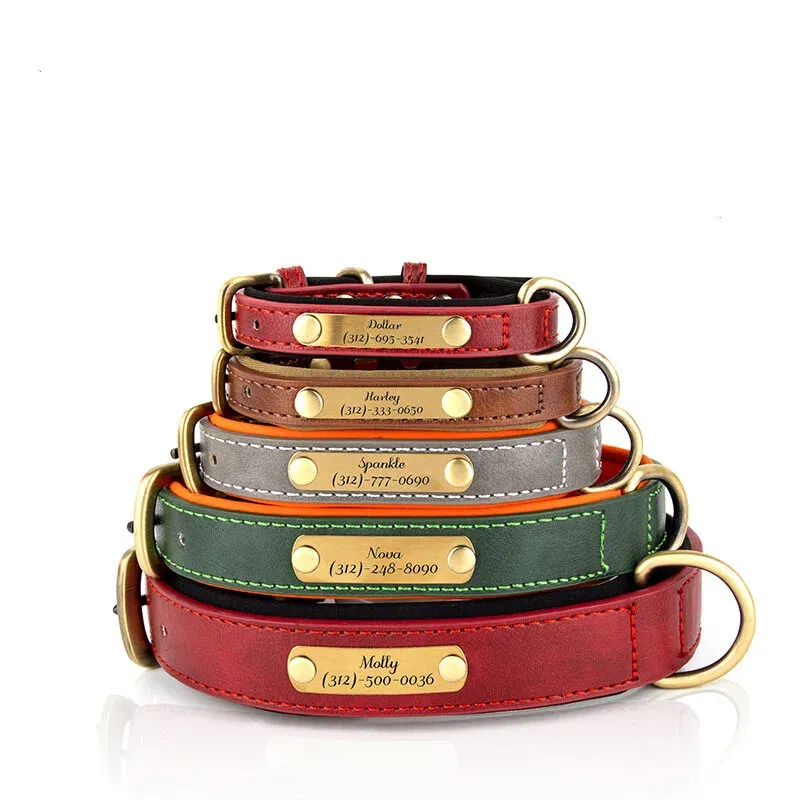
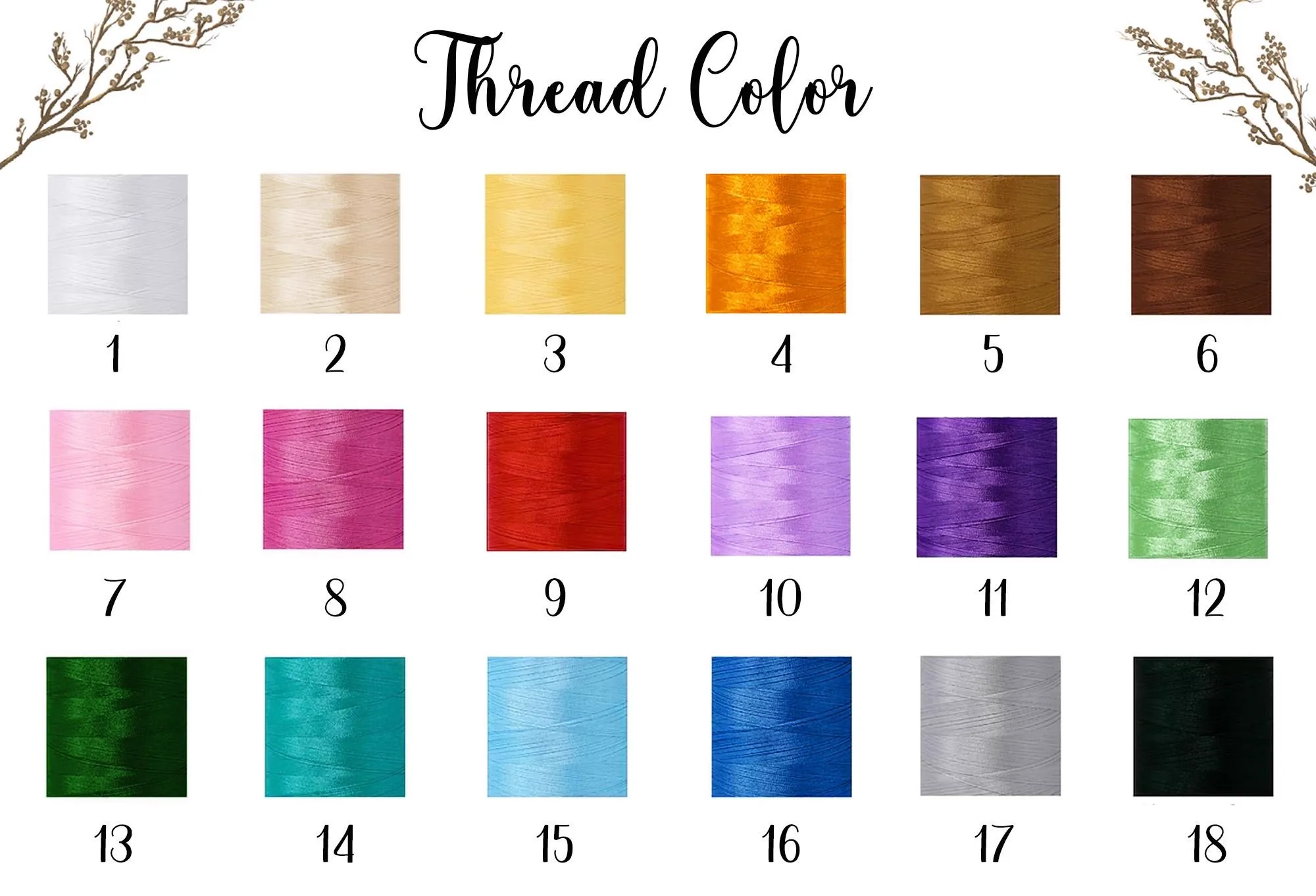
Branding can be subtle. For pet apparel, a woven side label, small embroidered mark, or printed neck label may be enough. For collars, engraving, debossing, woven labels, or branded hardware can raise perceived value. For bowls, toys, and travel items, printing should be durable enough for handling, washing, or chewing contact depending on product type.
Packaging is a major customization layer in pet retail. A small hang tag with sizing information, care instructions, and brand story can improve shelf presentation. For e-commerce, a barcode label, SKU sticker, and compact poly bag may be more important than a decorative box. For gift products, the box or pouch may carry much of the perceived value.
Pet sizing should be built from measurements, not breed names alone. Breed examples help customers choose, but breed names are not reliable enough for production. The RFQ should include neck, chest, back length, strap length, width, and adjustment range where relevant. For apparel, chest circumference and back length are usually more important than weight.
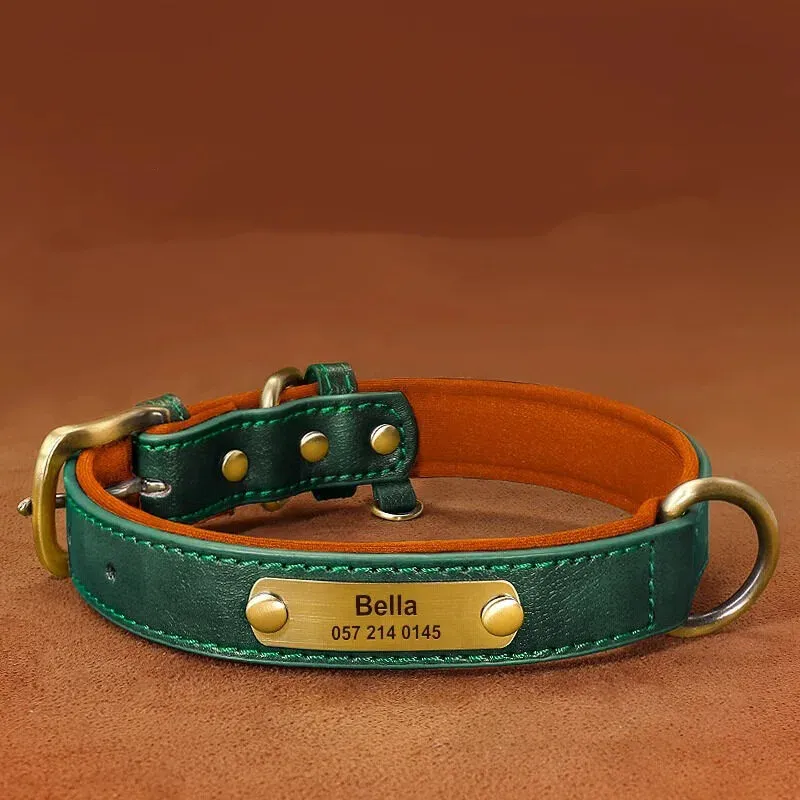
For collars, the size chart should show minimum and maximum neck circumference, strap width, hole spacing, and total collar length. For harnesses, chest girth, neck girth, strap adjustment, and buckle placement matter. For hoodies and sweaters, chest, neck, back length, leg opening, and belly clearance should be checked.
Fit testing should include movement. A dog should be able to walk, sit, bend, and breathe comfortably. A hoodie that looks cute in a flat photo may restrict shoulder movement. A harness that measures correctly may rub under the front legs. A collar that fits at rest may be too loose under pulling. Sample approval should include practical use, not only measurement.
If the buyer cannot test on real pets, use a measurement dress form and compare against known breed size data. This is still better than approving from a flat garment alone. For a serious private label line, fit testing across at least several target breeds is worth the time.
Safety is the first filter for custom pet products. Pet owners may forgive a color that is slightly different from the photo, but they will not forgive hardware that breaks, fabric that irritates skin, or toy parts that detach. Buyers should state safety expectations in the RFQ and confirm them in the sample.
For apparel, fabric should be comfortable, breathable for the intended season, and free of rough internal seams. Dyes and prints should not have strong odor. Decoration should not crack, peel, or sit in a place where the pet can chew it easily. Drawstrings, loose cords, and small decorative parts should be avoided unless the use case justifies them and they are secured.
For collars, leashes, and harnesses, hardware strength matters. Buckles, D-rings, clips, rivets, and stitching should be checked at stress points. Reflective trim should stay attached. Adjustable straps should not slip easily. Breakaway collars may be appropriate for cats, while strong fixed hardware may be required for dog walking. The RFQ should state the intended pet type and approximate weight range.
For toys, avoid detachable eyes, beads, weak squeakers, or small parts that can be swallowed. The buyer should define whether the toy is for supervised play, light chewing, or stronger chewing. No soft toy is indestructible, but the product should match its stated use.
For bowls and feeders, material should be food-contact appropriate if it touches food or water. Stainless steel, silicone, plastic, ceramic, and bamboo-composite products each have different testing and durability concerns. If the product is sold in a market with specific compliance expectations, the buyer should request documents early.
Labeling requirements depend on product type and destination market. Apparel may need care labels, size labels, fiber content, country of origin, and barcode labels. Collars and accessories may need material labels, warning information, or retail packaging. Toys and food-contact items may require stricter safety and material review.
The buyer should not wait until final packing to ask for labels. Label artwork, barcode numbers, SKU names, care instructions, and warning text should be included in the sample stage. A product can pass appearance inspection and still fail retail receiving if labels are missing or wrong.
For pet products, warning language should match the product use. A toy may need supervised-use language. A collar may need size and fit instructions. A bowl may need washing or food-contact information. A hoodie may need care instructions and size guidance. These details help customers use the product correctly and reduce returns.
If the buyer sells through marketplaces or retail chains, packaging and label rules may be more specific than the factory expects. Provide barcode label format, carton label rules, and any marketplace requirements before production.
Pet product MOQ depends on category and customization; the custom pet dog hoodie page shows current specifications for apparel. Sampling is essential for apparel and collars - approve the physical item checking size, material, hardware, and print before bulk production. Lead time includes sampling, production, and freight; seasonal lines (winter hoodies, holiday collars) should be ordered early.
MOQ is usually category-specific. Apparel MOQ may depend on fabric color, size range, and label customization. Collars may depend on material, hardware, and color split. Bowls may depend on mold, material, and printing. Toys may depend on fabric, filling, squeaker, safety features, and packaging. Gift items may depend on personalization and packing.
The number of SKUs can raise practical MOQ. A 1,000-piece order split across five sizes, four colors, and two logo versions creates 40 SKU combinations. That is harder to manage than one design in one size. For a first launch, buyers should reduce SKU complexity and choose the sizes or colors most likely to sell.
Sampling should include the final material, size, logo, hardware, and packaging whenever possible. If the buyer approves a sample with substitute hardware or temporary label, that detail must be clearly marked as not final. Bulk production should not start until the final production sample is approved.
Seasonal pet products need early planning. Winter hoodies, holiday collars, Halloween costumes, Christmas stockings for pets, and summer cooling products all have fixed selling windows. If the product arrives after the season, the buyer may have to discount it or hold inventory for a year.
For apparel QC, measure key points across sizes. Check chest, back length, neck opening, leg opening, and belly clearance. Inspect seams inside and outside. If the garment has a hood, pocket, zipper, or printed logo, check whether it affects comfort or movement.
For collar and leash QC, pull lightly at stress points and inspect stitching rows, rivets, buckles, and D-rings. Check edge finish so straps do not scratch skin. Confirm engraving is deep enough to read and does not create sharp edges.
For bowls and feeding items, inspect surface smoothness, odor, stability, and print durability. A bowl should sit flat and not have sharp edges. If silicone is used, check flexibility and smell. If stainless steel is used, check surface finish and thickness.
For toys, inspect seams, stuffing, squeakers, printed parts, and small components. Pull on eyes, tags, and accessories. If anything detaches easily, the design needs revision.
Pet retail can become SKU-heavy very quickly. One hoodie design in five sizes and four colors creates 20 SKUs. Add two label versions or two packaging versions and the count doubles. SKU complexity affects MOQ, production control, packing, inventory, and returns.
For a first order, choose fewer colors and a clear size range. It is better to test five strong SKUs than launch 40 weak SKUs. Use sales data to decide which sizes and colors deserve reorders. Pet apparel often has uneven size demand because customer breeds vary by market. A city boutique may sell many small sizes, while an outdoor brand may sell larger dog sizes.
For collars, choose adjustable ranges that cover common neck sizes without too many separate SKUs. For toys and bowls, start with one or two proven sizes. For gift items, test personalization workflow before offering too many variants.
Packing should support SKU control. Each carton should show product name, size, color, quantity, and barcode or item number. Mixed cartons can be useful for store kits, but they must be labeled clearly.
Pet apparel and accessories ship by volume - flat folding and standard cartons keep freight low. Collars and tags are small and light. Confirm FOB or CIF terms in the RFQ. See how to order for delivery options.
Freight depends heavily on product category. Collars, tags, and small accessories are compact. Beds, mats, plush toys, and apparel with thick fabric can become bulky. Vacuum packing may reduce volume for some soft goods, but it should be tested because it can create wrinkles or deform products.
Retail packaging can increase carton volume. A branded display box for a bowl or gift product may be worth it, but the buyer should compare landed cost. If the product is sold online, packaging should protect the item during parcel shipping. If it is sold in stores, packaging should present well on the shelf and scan correctly.
For seasonal products, plan freight early. Pet holiday apparel and gift products compete with other seasonal goods for factory capacity and freight space. Sea freight is economical for volume, while air freight may be needed for late launches or urgent reorders.
A clear pet apparel RFQ might read:
Product: custom dog hoodie for private label retail. Fabric: cotton/poly fleece, medium weight, soft inside. Sizes XS to XL with attached size chart showing neck, chest, and back length. Colors: black, gray, and red. Logo: woven side label plus printed neck label. Quantity: 1,000 pieces total, size and color breakdown attached. Packing: individual poly bag with barcode label and hang tag. Destination: US warehouse. Please quote MOQ by color, sample cost, sample time, production time, carton size, and shipping options.
A collar RFQ might read:
Product: custom leather dog collar with engraved metal tag. Sizes S, M, L with adjustable holes. Material: brown leather, stainless buckle and D-ring. Logo: debossed on collar plus engraved tag. Safety: smooth edge finish, reinforced stitching at buckle and D-ring. Packing: individual retail card. Quantity: 2,000 pieces with size breakdown attached.
These examples show why "custom pet products" is not enough. The supplier needs category, size, material, safety, logo, SKU split, packing, and deadline to quote accurately.
Before approving the quote, ask:
When contacting us, include:
Best for buyers reviewing use-case guide, related SKU images, RFQ details, MOQ, sampling, packaging, QC, and shipment planning from China.
MOQ depends on the category and customization level. Apparel, collars, and accessories each have different minimums; confirm the exact MOQ for your configuration in the RFQ.
Use breed-based sizing with neck and chest measurements in cm and inches, and confirm the chart with a fit test on the sample. Generic S/M/L sizing fails on real breed ranges.
Safety depends on materials and hardware: pet-safe fabrics, no sharp or detachable parts, quick-release buckles on collars. Confirm safety requirements in the RFQ and check them at inspection.
Send your artwork, target quantity, packing needs, destination country, and deadline to quote custom pet products manufacturer with clear factory assumptions.
Data verified as of 2026-08-04. MOQ, lead time, packaging, and compliance scope should be confirmed against the actual order before purchase order approval.
Decision closure
Use the next step that matches your buying stage.
Go to factory-direct custom products without marketplace sourcing to build a normalized RFQ before comparing supplier quotes.
Go to direct factory communication for custom product orders to turn supplier messages into a controlled production record.
Go to the custom product brief form to send artwork, quantity, packaging, and destination details for review.