If you are trying to avoid marketplace listing noise
Go to factory-direct custom products without marketplace sourcing to build a normalized RFQ before comparing supplier quotes.
A custom patch sample is approved in three checks: size, color, and edge. Measure the patch against the artwork size; compare thread or material colors to the Pantone references under normal light; and check the edge finish (merrowed border, heat-cut, or laser-cut) plus the backing (sew-on, iron-on, or Velcro). The sample is the last cheap chance to catch a problem - a wrong color or blurry detail costs almost nothing on one patch and a lot on 1,000. Approve the physical sample in writing before bulk production starts.
| Patch type | Characteristics | Sample approval focus |
|---|---|---|
| Embroidered | Dimensional, durable, classic | Thread color, stitch density, small-text clarity |
| Woven | Finer detail and thinner profile | Weave density and gradient reproduction |
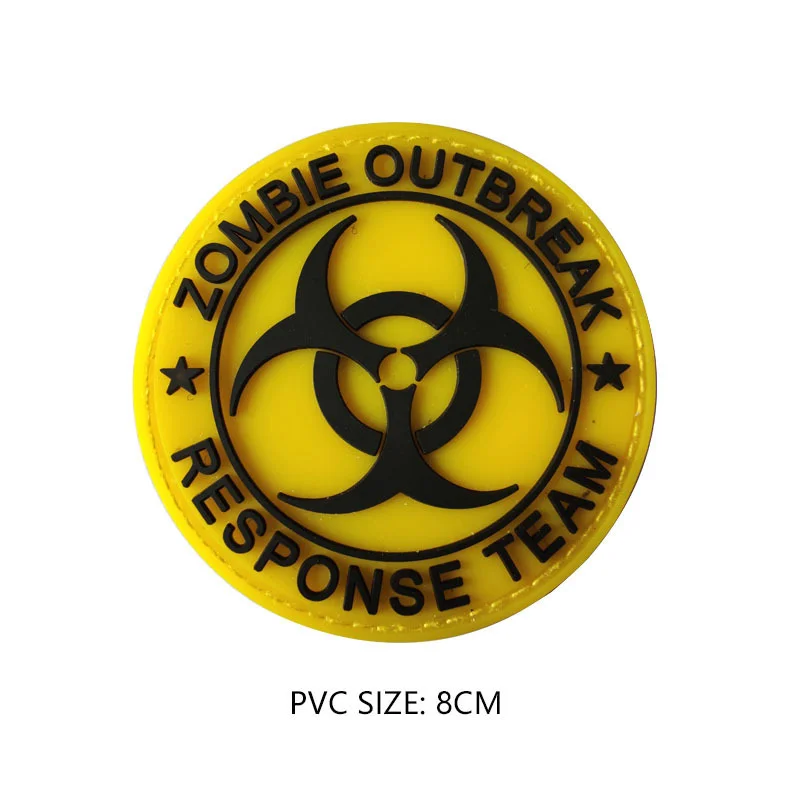
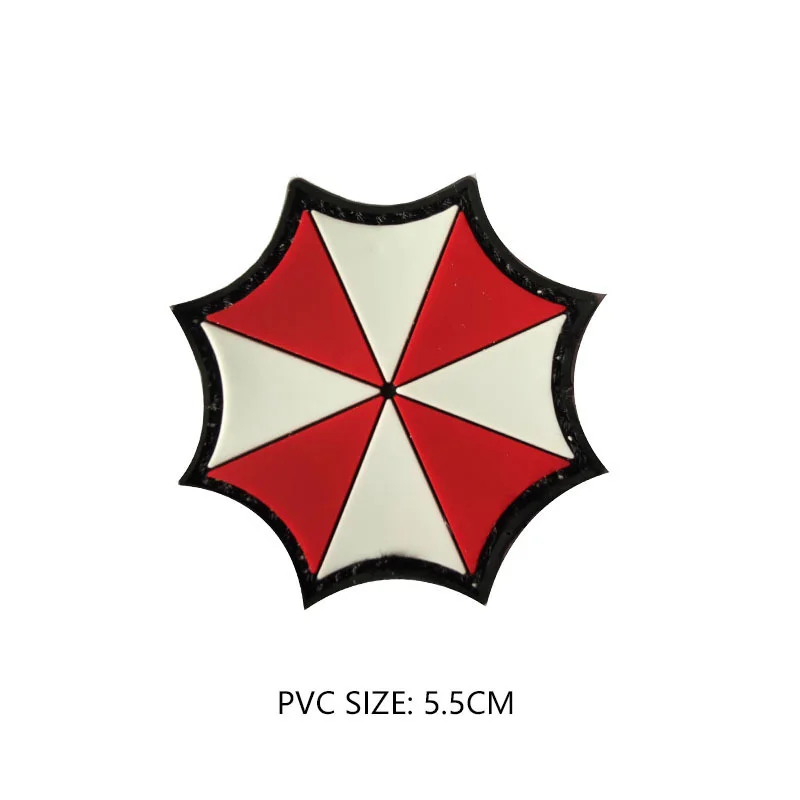
| PVC | Dimensional, waterproof, bright color | Detail retention, edge thickness, color saturation |
| Chenille | Fuzzy texture and varsity style | Pile color, outline shape, overall silhouette |
Each type digitizes or converts your artwork differently before sampling. For embroidery, the logo is converted to stitch data; for woven, to weave data; for PVC, to a mold or color layering plan. This conversion is where most sample failures start - not in the material.
Custom patches look small, but they carry many production decisions in a limited area. A patch may include base fabric, thread, border, backing, adhesive, Velcro, heat-cut edge, mold lines, color layers, and individual packing. A small mistake can change the look of the finished product. If the border is too thick, the logo feels crowded. If the backing is wrong, the patch may not attach to the final product. If the thread color is close but not correct, the whole batch may miss the brand standard.
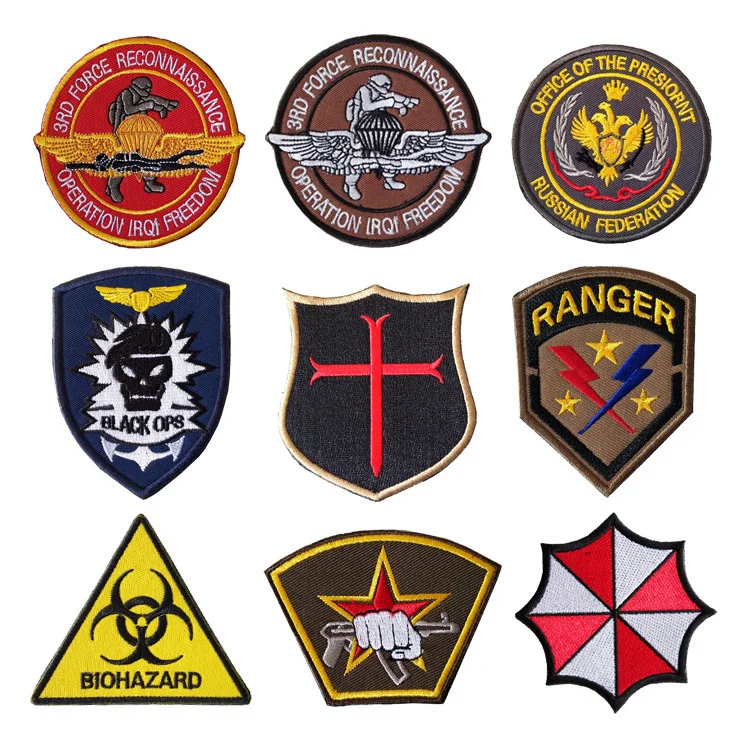
The sample is also where artwork becomes a real object. A logo can look clean in a vector file and still fail when converted into stitches, woven threads, or PVC layers. Tiny letters may fill in. Thin outlines may disappear. Gradients may need to become solid colors. A mascot face may lose expression if the patch is too small. These issues should be solved before the factory produces the bulk order.
For B2B buyers, sample approval is not only about appearance. It protects schedule, budget, and internal accountability. A written sample approval gives the supplier a clear target and gives the buyer a reference for final inspection. If bulk goods differ from the approved sample, the buyer has a concrete basis for correction. Without a sample, disputes become subjective and harder to solve.
The first sample decision is patch type. Buyers sometimes ask for an embroidered patch because it is familiar, then discover that the logo has too much detail for embroidery. It is better to choose the patch type according to artwork, use case, and budget before requesting a sample.
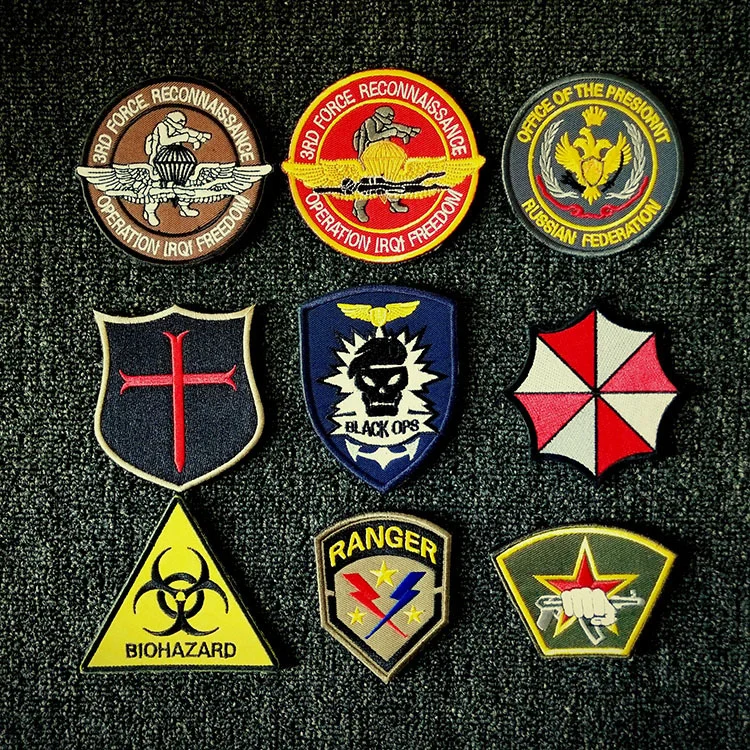
Embroidered patches work best for bold logos, simple shapes, block letters, mascots with clean outlines, and traditional uniform branding. They have a raised texture and strong perceived durability. They are often used on hats, jackets, uniforms, outdoor bags, club merchandise, and promotional apparel. The limitation is detail. Embroidery cannot reproduce every thin line, small letter, or gradient.
Woven patches are better when the artwork needs finer detail. Because woven patches use thinner threads and a flatter structure, they can handle smaller text and more precise lines than embroidery. They are useful for retail labels, detailed badges, small brand marks, and designs where clean readability matters more than raised texture. The tradeoff is that they feel flatter and less dimensional.
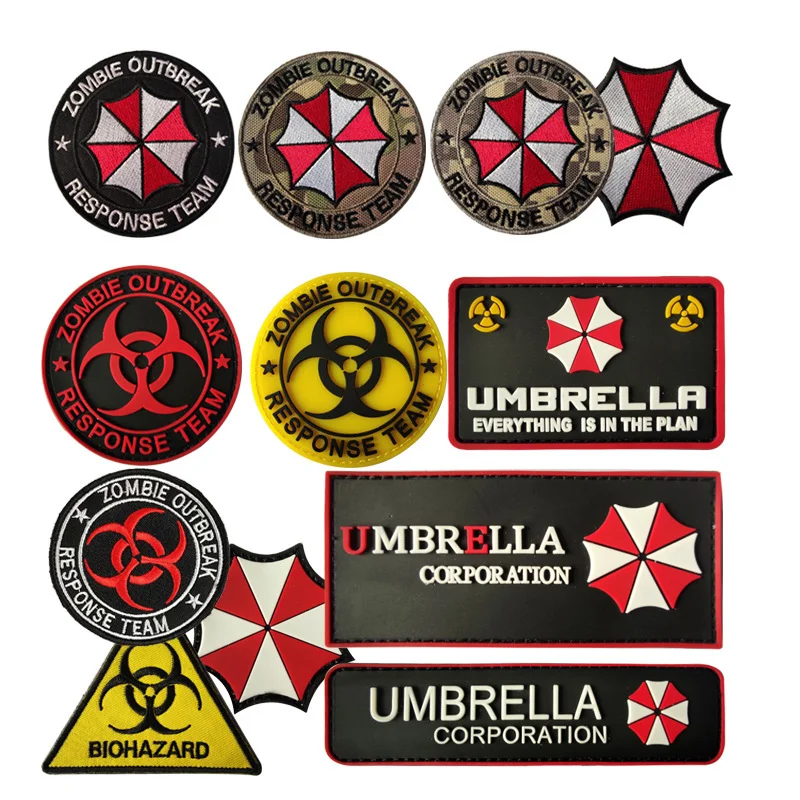
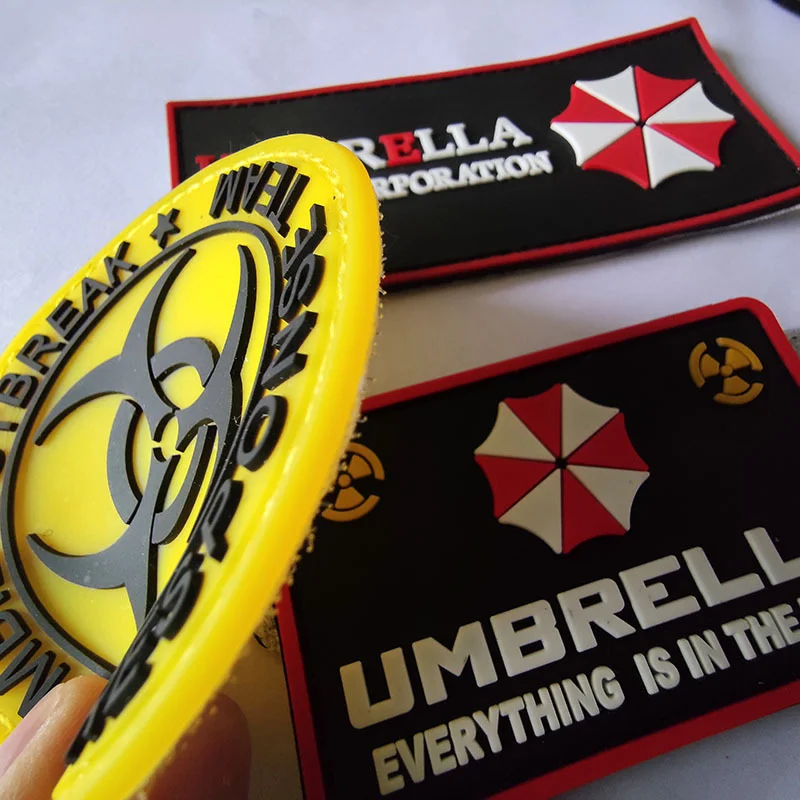
PVC patches are strong for outdoor, tactical, workwear, luggage, and youth products. They can show bright solid colors, raised layers, and a waterproof surface. They are good when the buyer wants a modern molded look. The limitation is that very fine details may need to be simplified, and the mold or layer plan must be reviewed carefully before approval.
Chenille patches are best for varsity, sports, school, and retro merchandise. They have a fuzzy pile and a bold visual effect. They are not ideal for small technical details. A chenille sample should be reviewed for overall silhouette, pile density, backing, and border shape.
If the buyer is unsure, ask the supplier to recommend two routes. For example, one embroidered version and one woven version can be sampled for a detailed logo. The extra sample cost is often worth it because it helps the buyer choose the right production method before placing a larger order.
Do not skip the digital proof stage. The proof is not the same as a physical sample, but it helps catch obvious problems before the supplier spends time making the sample. At the proof stage, check logo size, border thickness, artwork simplification, thread or material colors, backing, and patch orientation. If the patch includes text, read every letter. If the patch has a left and right version, confirm the direction clearly.
After the proof is accepted, the physical sample should match the approved direction. If the physical sample reveals a problem, mark the correction clearly and request a revised sample or written confirmation. For small changes, such as slight thread color adjustment, the supplier may not always need to remake the full sample. For major changes, such as size, border, backing, or artwork simplification, a revised physical sample is safer.
The final approval should be specific. Instead of saying "approved," write that the approved sample is for the final size, patch type, colors, edge finish, backing, packing, and artwork version. If any issue is accepted as a tolerance, write that too. For example, the buyer may accept that very small text is decorative and not fully readable. Clear written approval prevents confusion during bulk production.
Before the physical sample is made, review the supplier's digital proof line by line. This step is fast and prevents avoidable sample revisions.
| Proof item | What to confirm | Why it matters |
|---|---|---|
| Finished size | Width and height in mm or inches | Size affects detail, cost, and placement on the final product |
| Artwork version | Correct logo, text, spelling, and orientation | Factories may receive multiple file versions |
| Patch type | Embroidered, woven, PVC, chenille, leather, or mixed | Each type uses a different production route |
| Border | Merrowed, heat-cut, laser-cut, raised PVC edge, or no border | Border changes appearance and durability |
| Backing | Sew-on, iron-on, Velcro, adhesive, or no backing | Backing affects final use and packing |
| Colors | Pantone, thread chart, PVC color, or material color | Screen colors are not enough for approval |
| Small details | Fine lines, small text, gradients, shadows | These often need simplification before sampling |
| Quantity and packing | Bulk bags, retail bags, cards, or SKU packs | Packing can affect cost and MOQ |
If the proof does not show a detail, ask for clarification before sampling. For example, if the buyer needs hook Velcro backing, confirm whether the loop side is included. If the patch will be ironed onto apparel, confirm whether the adhesive is suitable for the intended fabric. If the patch will be sold as a retail item, confirm whether individual packaging is included.
A sample should be checked from the front, back, side, and edge. Do not approve only a front photo. The back shows whether adhesive, Velcro, or backing material is applied evenly. The side view shows thickness, border height, and whether the patch sits flat. The edge shows whether cutting, stitching, or molding is clean.
For embroidered patches, check whether the stitch density is balanced. Dense stitches can look premium, but too much density may make the patch stiff or cause distortion. Sparse stitches may show the base fabric through the logo. Check whether curves are smooth, letters are readable, and thread trims are clean. If the design uses a merrowed border, confirm that the border does not cover important artwork.
For woven patches, inspect detail clarity and edge shape. Woven patches can reproduce finer details, but they still have limits. Thin lines may become less sharp than the digital artwork. Color transitions may need to be simplified. Check whether the patch lies flat and whether the border is even around the shape.
For PVC patches, check layer height, edge thickness, flexibility, and color fill. Raised and recessed areas should be clean. Small gaps between colors should not look messy. Bend the patch gently to see whether it stays flexible without cracking. If the patch includes Velcro backing, check whether the backing is centered and firmly attached.
For chenille patches, check pile coverage, outline shape, and backing stability. The fuzzy surface should look full and intentional, not thin or patchy. Chenille works best for bold shapes, so do not expect the same fine detail as woven patches.
The edge and backing determine how the patch will be used. A beautiful front design can still fail if the edge frays or the backing does not match the final application.
Merrowed borders are common on classic embroidered patches. They create a raised stitched edge and help the patch feel finished. They work best on simple shapes such as circles, ovals, rectangles, shields, and basic badges. For complex shapes, a merrowed border may be too thick or uneven.
Heat-cut or laser-cut borders are useful for custom shapes and detailed outlines. They keep the edge slimmer and allow more flexible silhouettes. The buyer should check whether the edge looks clean and whether any fabric fibers are visible. For woven patches, laser-cut edges can keep a thin, clean profile.
PVC patch edges are part of the molded design. The buyer should check edge thickness, corner sharpness, and whether the patch feels too heavy for the intended product. A large thick PVC patch may work on a backpack but feel awkward on lightweight apparel.
Backing choice should match the final product. Sew-on backing is the most permanent and is common for apparel, hats, and bags. Iron-on backing is convenient for retail kits and DIY application, but it must be compatible with the fabric and heat setting. Velcro backing is used for tactical, workwear, uniform, morale, and interchangeable patches. Adhesive backing is mainly for temporary use or packaging, not for permanent garment attachment.
If the patch will be attached by another factory to hats, uniforms, or bags, confirm the attachment method before sampling. The patch supplier and final product supplier should work from the same specification so the patch size, edge, and backing are practical for the final item.
Custom patches typically start around 100 pieces depending on type, size, and finish. Digitizing or mold setup is the reason for the minimum - the same setup serves any quantity above it. Sampling usually adds a few days; approve the sample before production so the bulk run uses the confirmed spec. Lead time for bulk depends on patch type, quantity, and season; state your deadline in the RFQ.
MOQ can change by patch type. A small embroidered patch with standard backing may have a flexible minimum. A PVC patch with a custom mold, multiple raised layers, and several colors may need a higher minimum because setup is more involved. Chenille and specialty patches may also require higher practical quantities depending on material and machine schedule.
The unit price depends on size, stitch or weave coverage, number of colors, border, backing, packing, and quantity. A small patch is not always cheap if it has complex detail. A larger simple patch may be easier to produce than a tiny detailed patch with small letters. Ask for price breaks at several quantities so you can see where the setup cost is spread more efficiently.
Lead time should be separated into artwork review, proof approval, physical sampling, bulk production, packing, and freight. If the patches are needed for uniforms, product launches, school seasons, sports tournaments, or retail drops, put the required arrival date in the RFQ. The sample process should start early enough to allow at least one correction.
For bulk inspection, compare production pieces to the approved sample, not just to the artwork file. Pull samples from different cartons and different parts of the production run. Check whether early, middle, and late pieces remain consistent. This is especially important for orders with several colors, sizes, or backing types.
If the patches will be sewn onto another product, test a few pieces on the actual fabric or hat panel before full attachment. This catches problems such as border stiffness, heat sensitivity, adhesive compatibility, or wrong Velcro orientation before the patch is applied to hundreds or thousands of finished products.
Patches are small, flat, and light, so shipping is cheap by any method and efficient by sea at quantity. Confirm the packing - patches are usually supplied in poly bags with count labels. See how to order for delivery terms.
Packing still matters even when the product is small. Bulk patches should be counted accurately and bagged by design, color, size, and backing type. Retail patches may need individual bags, header cards, barcode labels, care instructions, or display cartons. If the buyer needs patches sorted for multiple stores, teams, or departments, include that requirement in the quote.
For urgent samples or small orders, express shipping is usually practical because patches are light. For large orders, sea freight or consolidated shipping can reduce cost. If the patches are part of a larger program with hats, bags, or apparel, it may be better to ship them together with the finished goods or send patches first to the factory that will attach them.
| Problem on sample | Likely cause | Practical fix |
|---|---|---|
| Small text is unreadable | Patch too small or embroidery not suitable | Increase size, simplify text, or switch to woven |
| Border covers artwork | Border too thick for the design | Reduce border width or use heat-cut edge |
| Color looks wrong | Screen color used instead of physical reference | Confirm Pantone/thread chart and resample if needed |
| Patch feels too stiff | High stitch density or thick PVC | Reduce coverage, change backing, or adjust thickness |
| Iron-on backing is uneven | Adhesive application issue | Request cleaner backing or switch to sew-on |
| Velcro is misaligned | Backing placement not controlled | Add backing alignment tolerance to approval notes |
| PVC detail looks soft | Mold or layer plan too complex | Simplify raised layers and increase minimum line width |
Not every issue requires a complete redesign. Some problems can be fixed by adjusting border width, thread color, backing, or line thickness. Other problems require choosing a different patch type. For example, a detailed crest with tiny text may be better as woven, while a bold outdoor logo may be stronger as PVC.
Use a written approval so the supplier has a clear production reference. The message can be simple:
We approve the physical sample for bulk production based on the following specification: patch type, finished size, artwork version, colors, edge finish, backing, packing, and quantity. Bulk production should match the approved sample. Any change to size, color, backing, edge, or artwork must be confirmed before production.
If the sample is approved with corrections, list them clearly:
Approved with correction: change border color to Pantone reference, keep finished size unchanged, keep sew-on backing, and send first production photos before completing the full run.
This kind of written approval prevents unclear instructions. It also helps purchasing, design, and QC teams stay aligned when several people are involved.
When contacting us, include:
Best for buyers reviewing sample approval guide, related SKU images, RFQ details, MOQ, sampling, packaging, QC, and shipment planning from China.
Sampling usually adds a few days on top of the quote process. The physical sample must be approved before bulk production, so factor that time into the schedule.
Custom patches typically start around 100 pieces depending on type, size, and finish. Digitizing or mold setup is the main driver of the minimum.
Only if it is simplified. Fine details, gradients, and small text work better as woven or PVC patches; embroidery needs bolder shapes.
Send your artwork, target quantity, packing needs, destination country, and deadline to quote custom patch sample process with clear factory assumptions.
Data verified as of 2026-08-04. MOQ, lead time, packaging, and compliance scope should be confirmed against the actual order before purchase order approval.
Decision closure
Use the next step that matches your buying stage.
Go to factory-direct custom products without marketplace sourcing to build a normalized RFQ before comparing supplier quotes.
Go to direct factory communication for custom product orders to turn supplier messages into a controlled production record.
Go to the custom product brief form to send artwork, quantity, packaging, and destination details for review.