If you are still validating a first small batch
Go to custom products for startups under 500 units to check low-MOQ order logic before asking for bulk pricing.
Custom koozies MOQ depends on the amount of setup required for your order. A standard neoprene can cooler with one body color, one print position, and a simple one-color logo can often start from a few hundred pieces. The MOQ rises when the order uses slim-can sizing, bottle sleeves, custom shapes, multiple body colors, full-color printing, or retail packaging. The material itself is not the only reason for the minimum; the supplier must prepare printing, cutting, sewing, packing, and quality control for your specific design. To lower MOQ, keep the size standard, reduce print colors, order one body color, and use simple bulk packing.
MOQ is a setup and efficiency number, not just a supplier rule. A factory can produce a standard neoprene sleeve quickly, but every extra variation adds handling.
| Type | Material | Best use | MOQ impact |
|---|---|---|---|
| Standard can cooler | Neoprene | Beer cans, soda cans, events, giveaways | Lowest |
| Slim can cooler | Neoprene | Slim cans, seltzer brands, newer beverage formats | Medium |
| Bottle cooler | Neoprene | Long-neck bottles, bar promotions, gift sets | Medium-high |
| PVC or canvas cooler | PVC / canvas | Different hand feel or cost positioning | Low to medium |
| Custom shape | Composite or neoprene construction | Brand-shaped promotions and retail novelty items | Highest |
The custom koozies and custom can coolers pages support the common neoprene routes and are the best internal paths for quote requests.
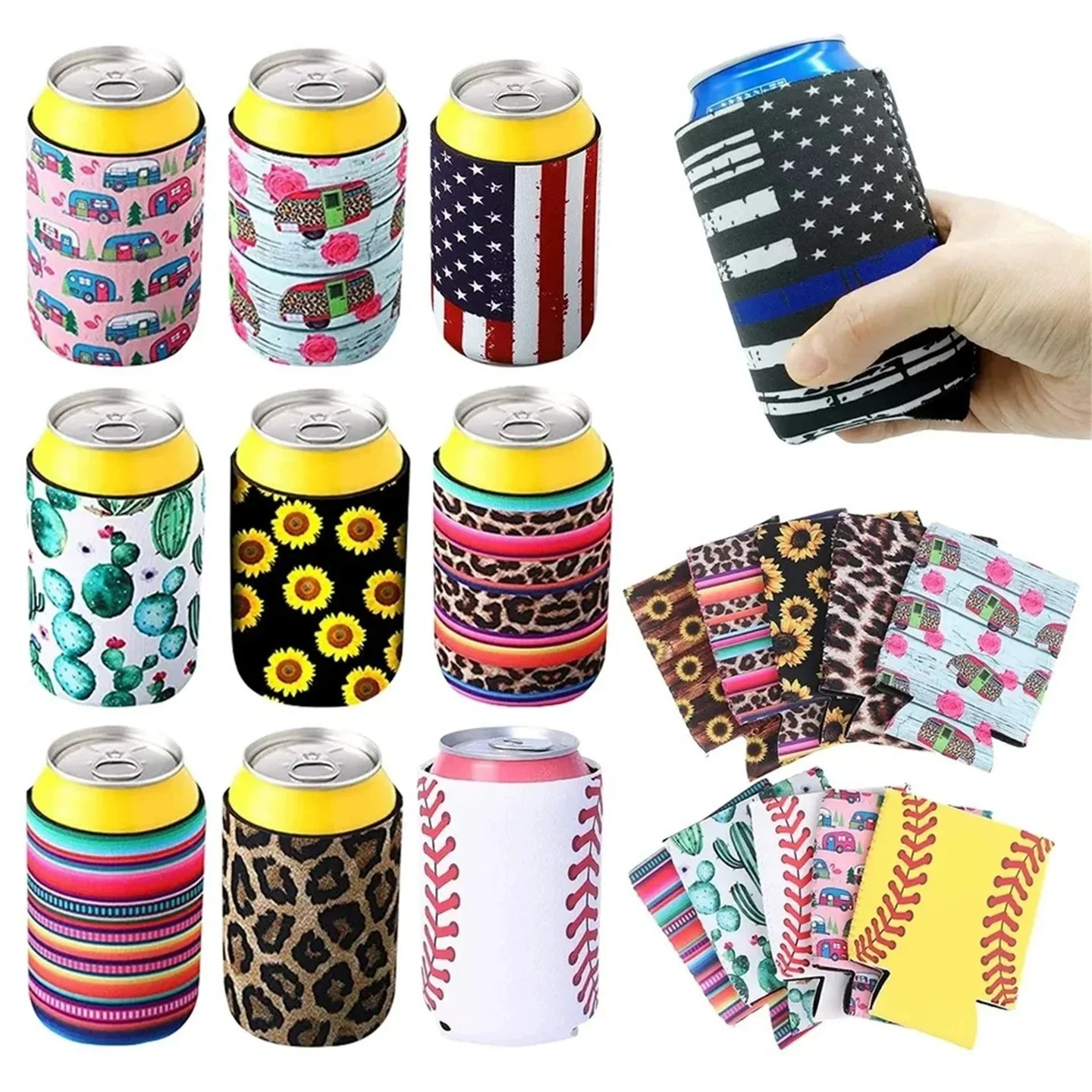
There is no single MOQ that fits every koozie order because the factory is not only selling a blank sleeve. It is setting up material cutting, printing, sewing or bonding, packing, inspection, and export preparation for a specific design. The easiest way to estimate MOQ is to classify the order by complexity.
For a simple promotional order, the MOQ is usually the most flexible. This means a standard can cooler, one body color, one-color logo, one print position, and bulk packing. The supplier can use standard material, common cutting patterns, and a straightforward print setup. This is the best route for first-time buyers, local events, bar promotions, real estate giveaways, school campaigns, and small brand tests.
For a mid-complexity order, the MOQ rises because there are more variables to control. Examples include slim-can coolers, bottle sleeves, two-sided printing, multiple print colors, several body colors, or individual poly bags. The order is still practical, but every added option creates more setup and QC work. A 1,000-piece order split across four colors and two artwork versions can be less efficient than 1,000 pieces of one clean design.
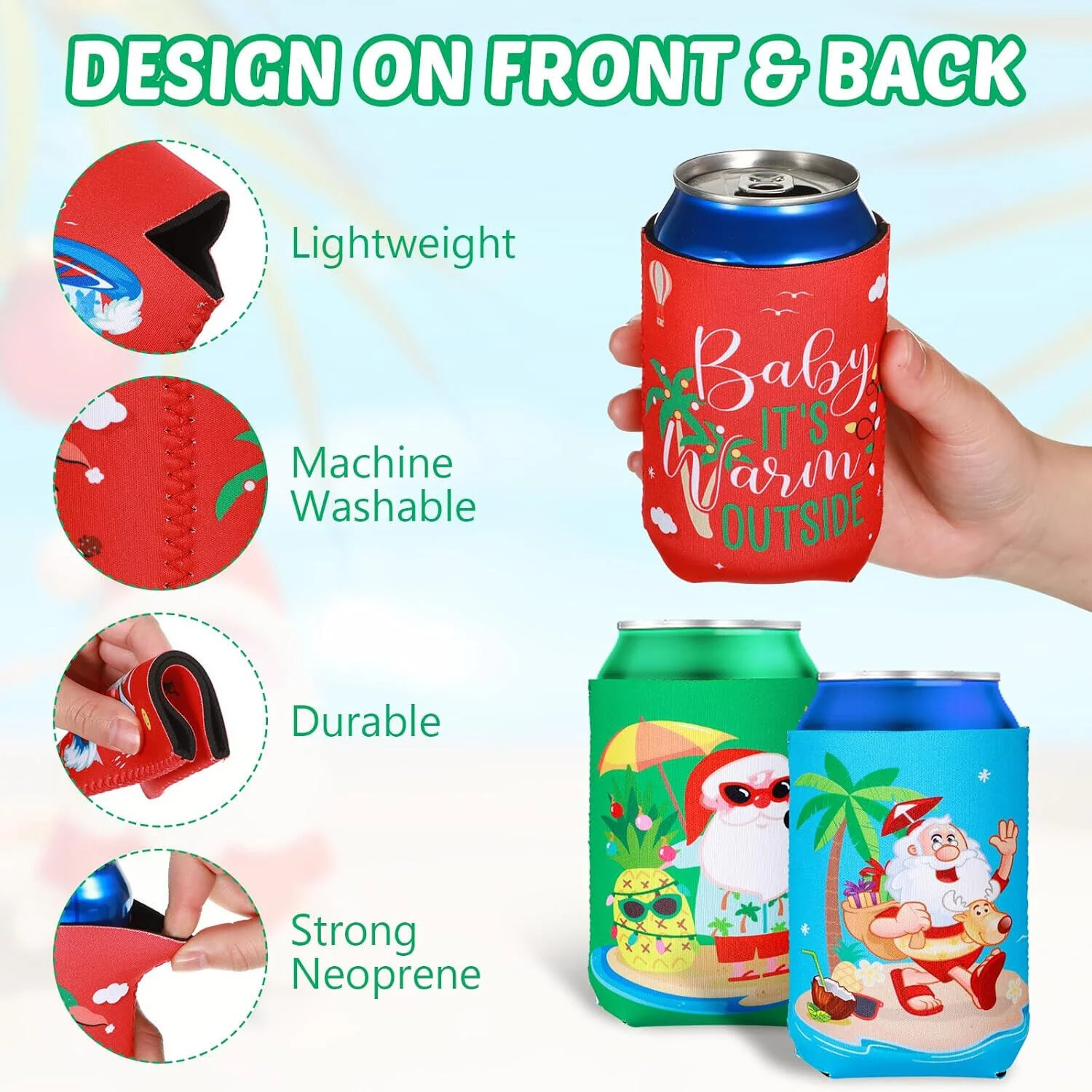
For a retail or custom-shape order, MOQ can rise much higher. Retail packs may require printed header cards, barcode labels, inner bags, display-ready cartons, or color-coded SKU sorting. Custom shapes may need new patterns, more sample revisions, and slower production handling. If the order also requires exact color matching, private labeling, or several packaging versions, the supplier needs enough volume to make the setup worthwhile.
Buyers should ask for quantity breaks instead of asking only for the minimum. A quote at 300 pieces may be possible but expensive. A quote at 500, 1,000, 2,500, and 5,000 pieces shows where the unit price begins to improve. For products like koozies, the cost curve often changes quickly because setup is spread across more units.
| Order type | Common configuration | MOQ pressure | Best buyer strategy |
|---|---|---|---|
| Basic event giveaway | Standard can size, one color, one logo position | Lowest | Keep artwork simple and use bulk packing |
| Brewery or bar promotion | Standard or slim can size, branded colors, front/back logo | Medium | Confirm exact can format and ask for quantity breaks |
| Retail pack | Custom print, individual packing, labels, cartons | Medium-high | Quote packaging from the start, not after price approval |
| Wedding or party order | Small quantity, date-specific artwork | Medium | Use standard stock options and allow enough sample time |
| Full-wrap design | Large graphic coverage around the sleeve | Higher | Approve a physical wrap sample with a real can inside |
| Custom shape | Non-standard silhouette, special cut, novelty construction | Highest | Expect pattern work, sample revisions, and higher minimums |
This table is useful for planning, but the final MOQ always depends on the supplier's current material stock, machine schedule, artwork, and packing details. If the buyer is flexible on material color, print method, or delivery date, the supplier may offer a lower practical minimum.
The lowest MOQ is not always the best deal. A very small order can carry a higher unit price because setup cost is spread across fewer pieces. If the product will be reordered, ask for price breaks at several quantities.
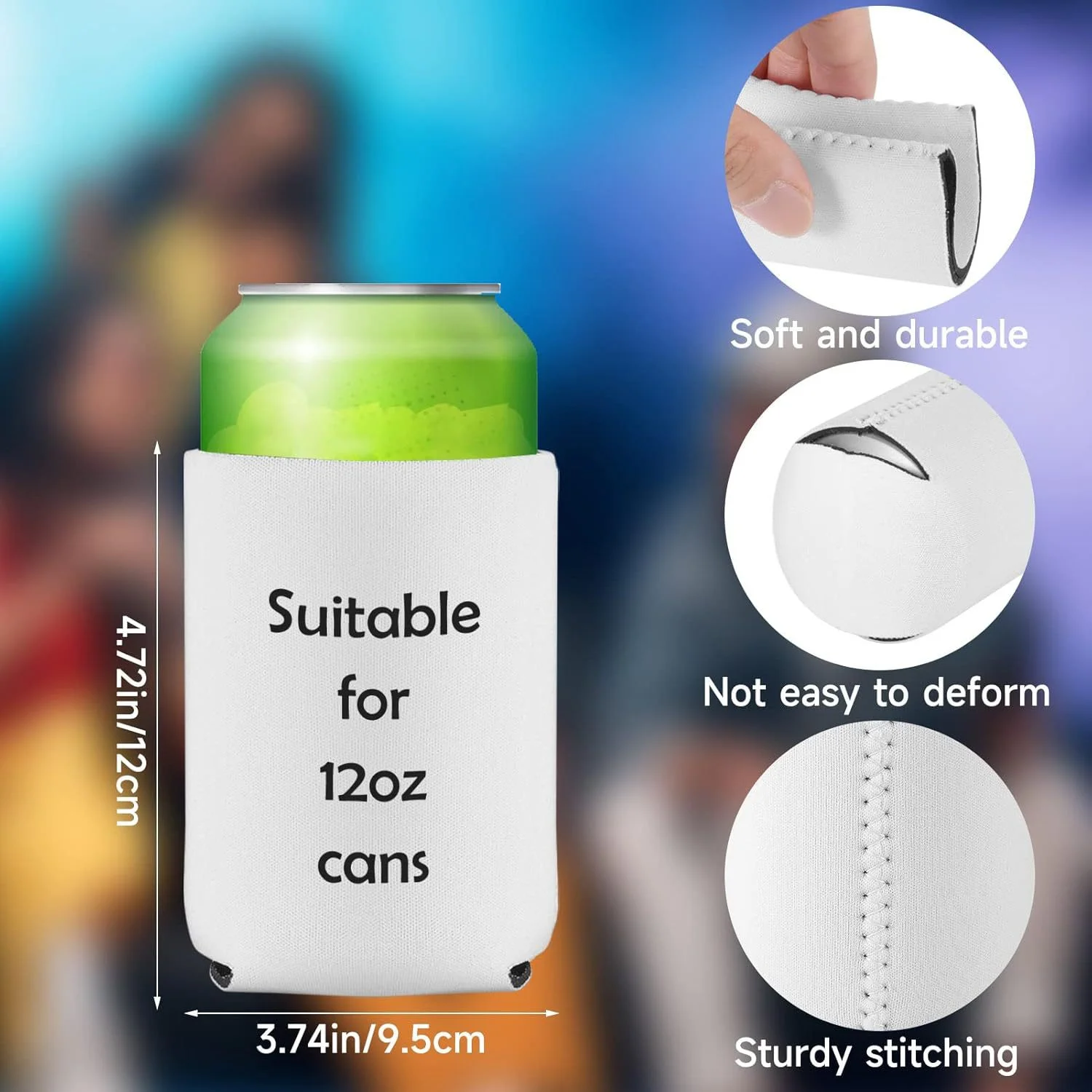
Fit is one of the most important details in a koozie RFQ. Buyers often say "can cooler" without confirming the actual can size. This creates sample problems because a sleeve designed for a standard can may feel loose or awkward on a slim can. A bottle cooler needs a different shape again, especially around the neck.
A standard can cooler is the easiest option for broad event use. It normally fits common beer and soda cans and works well for large giveaways. If the buyer does not know the final beverage format, a standard can sleeve is usually the safest starting point. It also gives the supplier the most flexibility on materials and print setup.
A slim can cooler is more specific. It is useful for seltzer brands, energy drinks, canned cocktails, and other slim beverage formats. The narrower shape makes print placement more sensitive because the visible decoration area changes. A large logo can wrap too far around the sleeve, and small text can become harder to read once the sleeve is on the can.
A bottle cooler has different fit requirements. It must hold the bottle body while allowing the neck to remain accessible. The buyer should confirm whether the sleeve is for a long-neck bottle, a stubby bottle, or another format. If the bottle cooler includes a zipper, stitched seam, or shaped top, sample approval becomes more important.
For any fit-sensitive order, send the intended can or bottle dimensions in the RFQ. If the beverage brand has multiple package formats, choose the exact one before sampling. The sample should be tested with the real can or bottle, not only measured flat on a table.
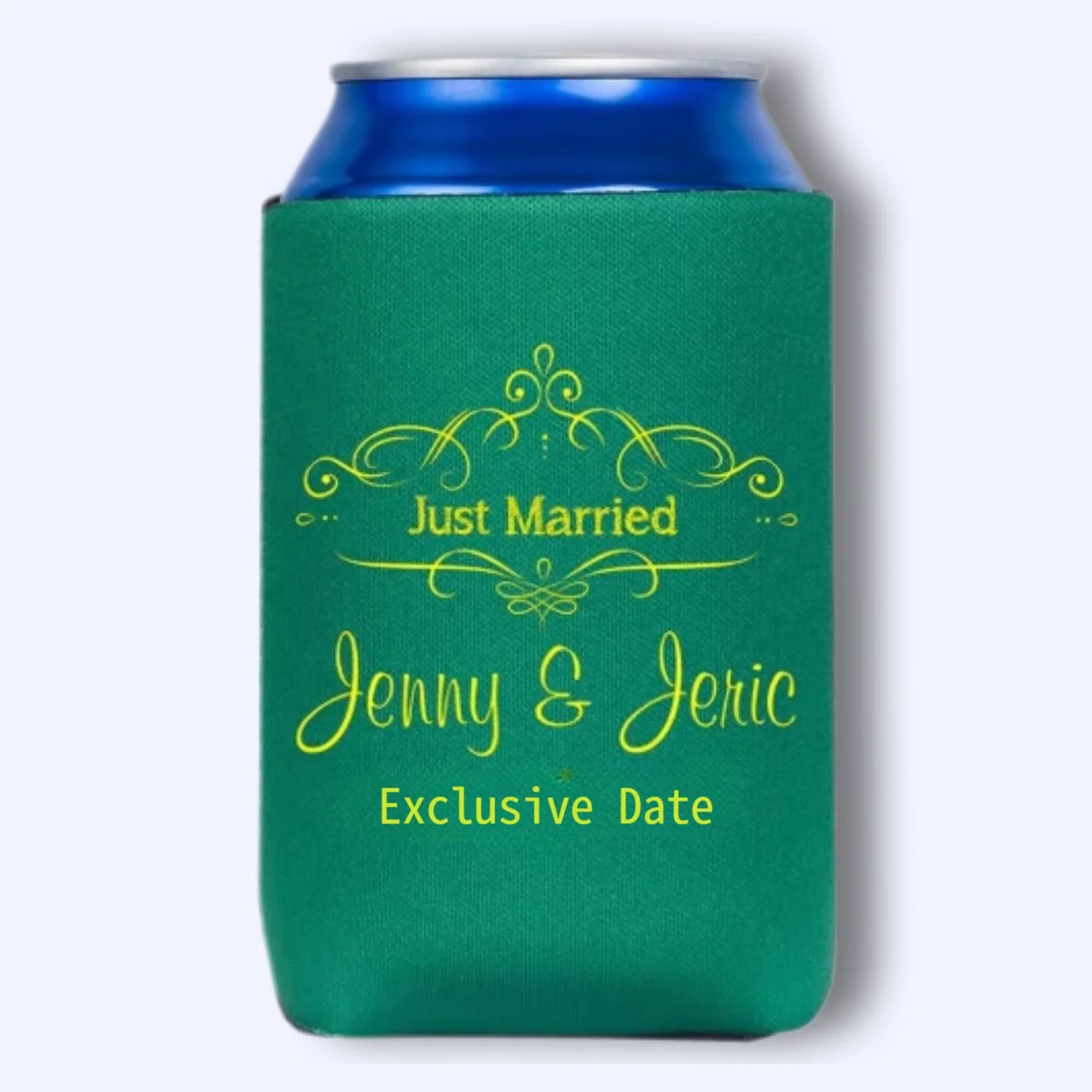
Most buyers focus on logo print first, but the material affects perceived quality. Neoprene is common because it has a soft hand feel, insulation value, and good flexibility. Foam-style coolers can be cheaper, but the surface and durability may feel different. Canvas, PVC, or composite options may be used for special positioning, but they should be sampled before bulk production.
Material thickness affects cost, stiffness, and customer experience. A thinner sleeve may be cheaper and easier to pack flat, but it can feel less premium. A thicker neoprene sleeve may feel better in hand and provide stronger insulation, but it can increase material cost and carton volume. The best choice depends on the use case. A one-day giveaway may not need the same specification as a retail product sold with a beverage gift set.
The buyer should ask whether the quoted thickness is measured before or after lamination, whether the material has fabric on one or both sides, and whether the edge finish is stitched, glued, or heat sealed. These details are not always obvious in a simple quote but can change the finished product.
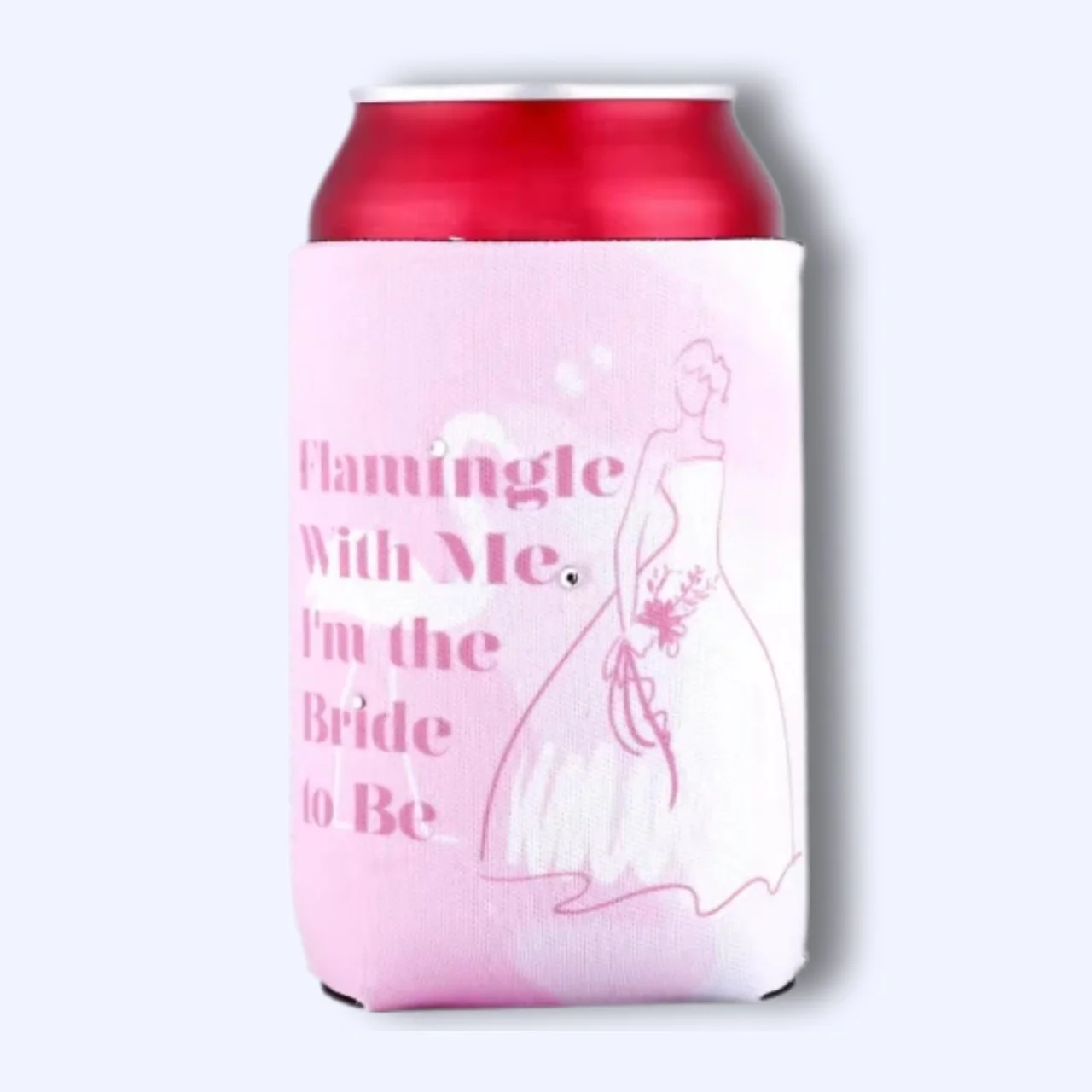
Color is also part of material planning. Stock body colors are easier and usually support lower MOQ. Custom dyed colors can raise MOQ because the supplier must source or produce material specifically for the order. If a buyer has strict brand color requirements, ask whether the color can be matched through body material, print color, or both. A close stock color plus accurate logo print may be more practical than custom material dyeing for a smaller order.
| Print method | Best use | Buying note |
|---|---|---|
| Screen printing | Simple logos and large runs | Lowest-cost route for one or few colors |
| Heat transfer | Multi-color logos and smaller runs | Good detail, but sample the edge and adhesion |
| Full-color digital transfer | Gradients, photos, complex artwork | Higher unit cost and more sample review needed |
| Full-wrap print | Retail or design-heavy programs | Strong visual effect, but more expensive setup |
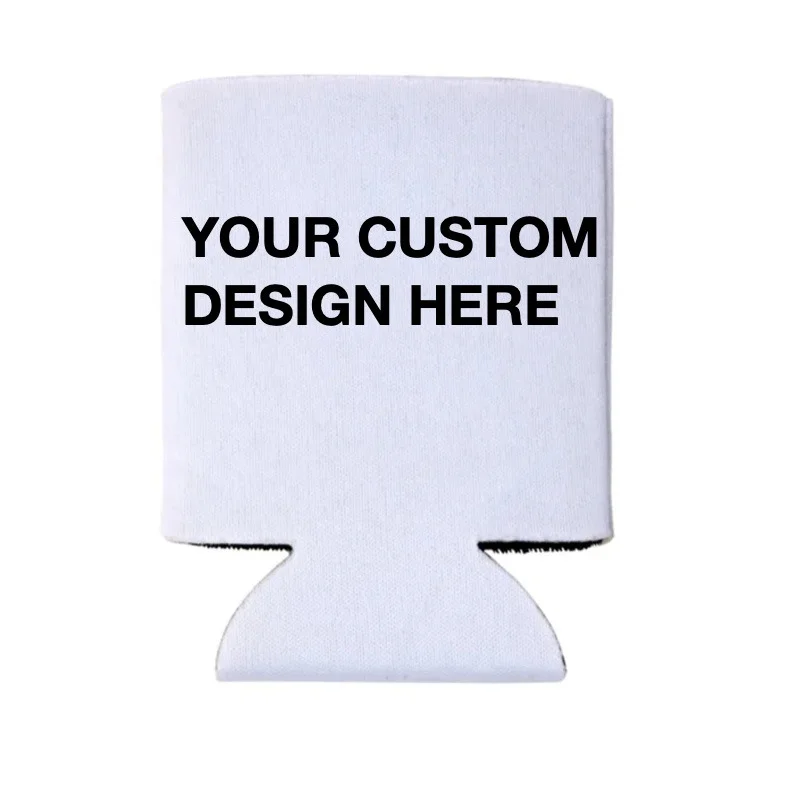
Print placement matters. A logo that looks large on a mockup can wrap awkwardly around a cylinder. Approve the physical sample with a real can or bottle inside.
Koozies look simple because the product is small, but artwork placement can still fail. The print area wraps around a curved object, the seam may interrupt the design, and the sleeve compresses slightly when held. A clean mockup does not prove that the final product will look balanced in real use.
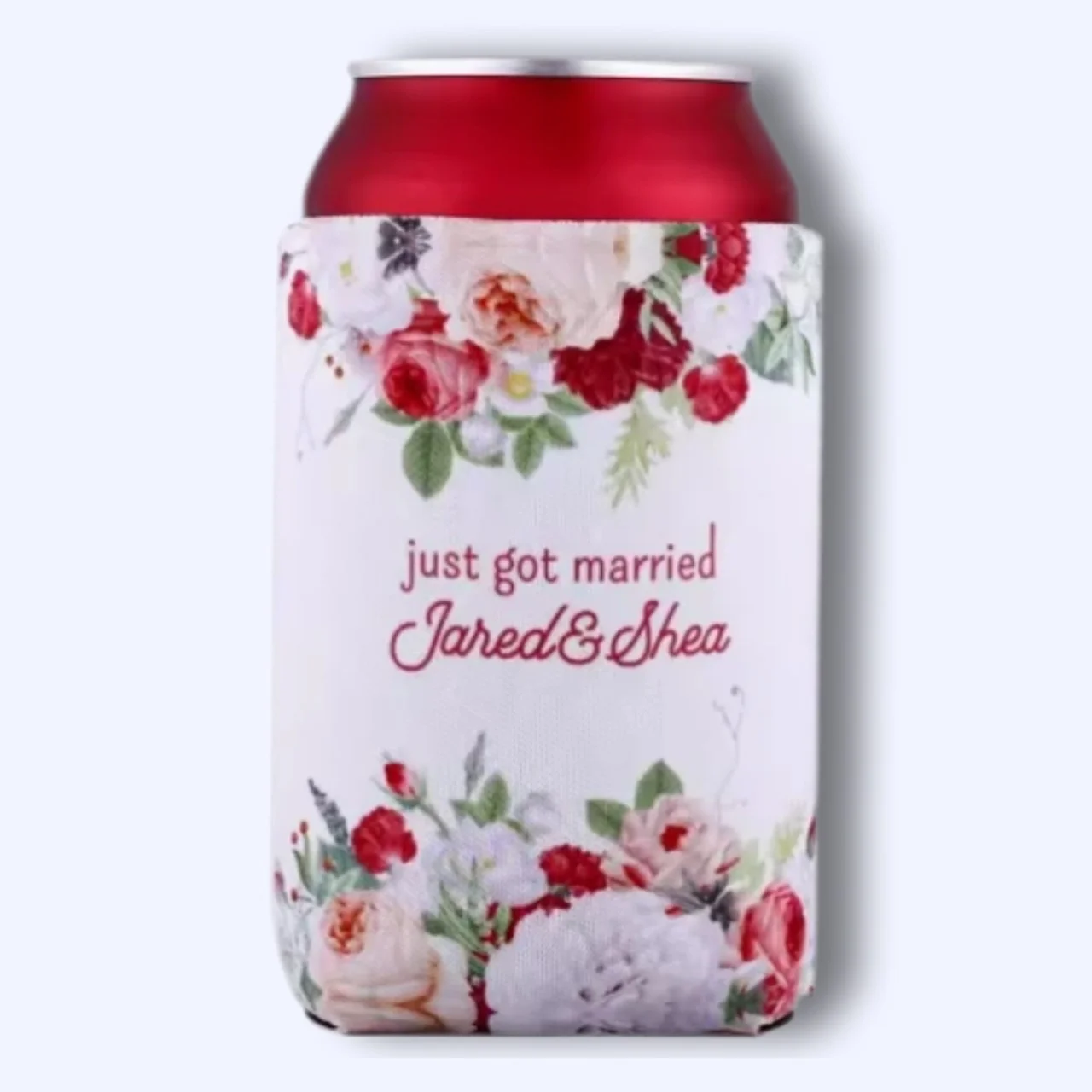
For a front logo, confirm the finished print width and height. A logo that is too small may look weak in event photos. A logo that is too large may wrap around the side and become hard to read. If the order uses a front and back print, confirm whether both sides share the same size and whether the seam position affects either side.
For full-wrap artwork, request a layout template from the supplier. The template should show bleed, seam area, safe text area, and orientation. Important text should not sit too close to the seam or edge. If the design includes a repeating pattern, check whether the repeat looks natural after sewing or bonding.
Color control is another practical issue. Screen printing can be cost-effective for simple logos, but each print color must be controlled. Digital transfer can handle more color detail, but the finished color may look different on neoprene than on paper or screen. Always approve the final color on the actual material when brand color matters.
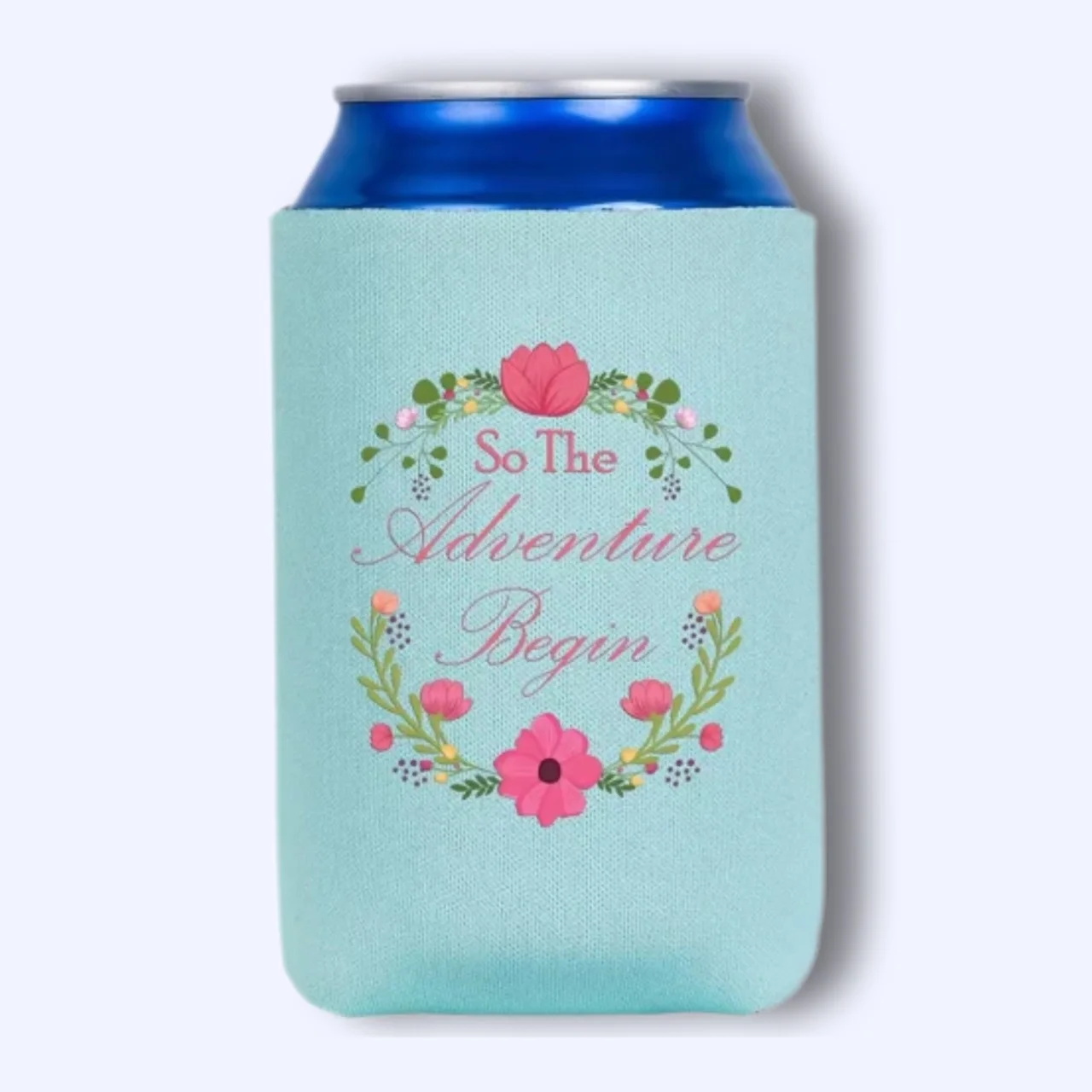
If the artwork includes QR codes, small URLs, sponsor logos, or legal text, test readability at the finished size. A QR code that scans on a PDF may not scan after printing on a flexible sleeve. Small text may look acceptable flat but become difficult to read once the sleeve is wrapped around a can.
Sampling is recommended for first orders and any order with new artwork. Check the fit on the intended can or bottle, print position, logo color, seam quality, material thickness, and packing. For event orders, the sample should be approved early enough to leave time for production and shipping.
Standard koozie orders are usually faster than complex drinkware or apparel orders, but lead time still includes artwork confirmation, sample approval, production, packing, and freight. If the order is for a wedding, brewery launch, tournament, trade show, or bar promotion, put the arrival date in the RFQ.
A realistic timeline should include review time on the buyer's side. Many delays happen after the supplier sends a proof or sample because the buyer needs internal approval from marketing, compliance, events, or a client. If the order has a fixed event date, set an internal approval deadline before asking the supplier for a final shipping plan.
For simple repeat orders, a digital proof may be enough if the buyer is using the same material, size, artwork, and supplier. For a first order, new can format, full-wrap print, custom packaging, or retail pack, a physical sample is safer. The sample confirms not only the logo but also the fit, feel, seam, and packing method.
If the sample is approved with changes, write those changes clearly. Do not rely on chat messages alone. The final purchase order should state the approved file version, print size, body color, material thickness, packing method, carton quantity, delivery terms, and deadline. This reduces the risk of the factory following an older proof or missing a late packaging instruction.
Koozies are light and flexible, so they are easy to ship compared with rigid promotional products. Samples and small urgent orders can move by express. Larger wholesale or event quantities are efficient by sea freight, especially when packed flat. Ask for carton dimensions, gross weight, quantity per carton, and quote terms such as FOB, CIF, or DDP. See how to order for delivery options.
Because koozies are flat and flexible, packing method has a direct effect on freight. Bulk-packed sleeves can be compressed efficiently. Individual poly bags, header cards, retail boxes, and display packs increase handling time and carton volume. If the buyer is comparing two suppliers, the carton dimensions should be compared with the unit price. A lower product cost can be offset by larger cartons and higher freight.
For event orders, express delivery may be worth the cost because missing the event makes the product useless. For stock replenishment or retail programs, sea freight is usually more economical. If the order ships by sea, confirm moisture protection and carton strength, especially when the product uses paper header cards or retail packaging.
Customs documents should match the product description and packing list. If the order includes several colors, artwork versions, or packaging types, the packing list should separate them clearly. This makes receiving easier and reduces confusion when the goods arrive at the warehouse, event site, or distributor.
Retail packaging can turn a simple koozie into a more complex order. A bulk-packed event giveaway may only need a carton label. A retail product may need an individual bag, hang tag, header card, barcode, warning label, care instruction, color code, and shelf-ready carton. Each added component must be sourced, printed, counted, and inspected.
If the buyer plans to sell koozies online, SKU planning should be handled before production. Decide whether each body color is a separate SKU, whether artwork versions are separated, and whether sets are packed as singles, pairs, or multi-packs. A two-pack with mixed colors is not the same production task as two single-color bulk cartons.
For distributors and retail brands, carton labeling matters. The carton should show item number, color, quantity, gross weight, net weight, carton dimensions, and destination information if required. If Amazon, a retailer, or a 3PL has specific labeling rules, share them before the quote is finalized. Late label changes can delay packing and shipment.
Retail packaging can also raise MOQ because the packaging supplier may have its own printing minimum. A small koozie order with custom header cards may be limited not by the sleeve factory, but by the packaging vendor. If the first run is small, consider using stock bags, simple barcode labels, or bulk packing until demand is proven.
Suppose a buyer asks for 300 custom koozies with a two-color logo and individual packaging. The order may be possible, but the unit price will carry artwork setup, print setup, material handling, packing labor, and sample cost across only 300 pieces. If the buyer increases to 1,000 pieces, the setup cost spreads across more units and the unit price often improves.
Now suppose the same buyer keeps the quantity at 300 but changes to one body color, one-color front print, and bulk packing. That may lower the practical MOQ and reduce unit cost because the factory has fewer variables to manage. This is why specification changes often work better than pressure-based negotiation.
Before confirming an order, ask questions that force the supplier to quote the real configuration, not a generic product.
These questions help buyers compare suppliers more accurately. They also reduce the chance of a quote changing after the buyer sends artwork or packing requirements.
When contacting us, include:
Best for buyers reviewing moq explainer, related SKU images, RFQ details, MOQ, sampling, packaging, QC, and shipment planning from China.
Simple standard neoprene koozies with basic printing can often start from a few hundred pieces. The final MOQ depends on size, material, print method, color split, and packaging.
Custom shapes need different cutting, pattern work, or tooling. They also take more time to sample and inspect, so the factory needs a higher quantity to run them efficiently.
Yes. Use a standard can size, one body color, one print position, simple one-color artwork, and bulk packing. These changes reduce setup work.
Send your artwork, target quantity, packing needs, destination country, and deadline to quote custom koozies MOQ with clear factory assumptions.
Data verified as of 2026-08-04. MOQ, lead time, packaging, and compliance scope should be confirmed against the actual order before purchase order approval.
Decision closure
Use the next step that matches your buying stage.
Go to custom products for startups under 500 units to check low-MOQ order logic before asking for bulk pricing.
Go to small batch custom logo products from China to choose practical logo, packaging, and MOQ routes.
Go to the custom product brief form to send artwork, quantity, packaging, and destination details for review.