If you are trying to avoid marketplace listing noise
Go to factory-direct custom products without marketplace sourcing to build a normalized RFQ before comparing supplier quotes.
Custom enamel pins are made from a metal die, so the price and MOQ are driven by two things: the mold (tooling) and the enamel fill (soft vs hard). Soft enamel pins have recessed metal lines with enamel sitting below the metal - cheaper, textured, the default for most orders. Hard enamel pins are filled level with the metal and polished flat - smoother, glossier, more premium, and a better finish for fine detail. MOQ typically starts around 100 pieces because the mold cost needs to be absorbed; the mold is yours after production. Send vector artwork, size, metal finish, backing type, and color references in the RFQ.
Wholesale custom enamel pins are priced by mold cost, pin size, metal finish, enamel type, color count, backing, packaging, and order quantity. Soft enamel pins have recessed enamel below raised metal lines and are usually the best value for promotional, creator, club, and event orders. Hard enamel pins are filled level and polished flat, giving a smoother premium finish for retail, collector, award, and commemorative pins. Buyers should approve vector artwork, Pantone colors, mold layout, physical sample, backing, backer card, and packing count before bulk production.
Most pages ranking for custom enamel pins wholesale are order pages. They are useful when a buyer already knows the exact pin specification, but they often do not explain why one pin quote is cheaper than another. A buyer may see soft enamel, hard enamel, backer cards, no minimum, free design, or bulk pricing, yet still not know which combination is right for the order.
Marketplace pages and low-price listings also miss the sourcing decision. They can show many options, but they do not explain mold ownership, sample approval, plating defects, backing selection, packaging cost, or how to compare suppliers when every quote includes a different assumption.
Reddit-style buyer questions show the gap clearly. Small brands and "mom and pop" businesses want affordable bulk custom pins, but they need more than a vendor list. They need to know what makes pins expensive, what can be simplified without ruining the product, which finish is worth paying for, and what details should be included before asking a factory for price.
This guide is written to answer the complete buying intent:
Before asking for a quote, decide what role the pin must play. A pin can be a low-cost giveaway, a wearable uniform item, a creator collectible, a retail souvenir, a fundraising product, an employee award, or part of a premium gift box. The same design can require different specifications depending on that role.
| Buyer goal | Recommended starting point | Why |
|---|---|---|
| Lowest-cost branded giveaway | Soft enamel, standard size, simple backing, bulk bag | Keeps mold and finishing simple |
| Creator merchandise | Soft or hard enamel, backer card, individual bag | Presentation affects perceived value |
| Retail souvenir | Hard enamel or premium soft enamel, barcode card | Shelf appearance and handling matter |
| Corporate recognition | Hard enamel or antique finish, secure backing, gift box | Higher perceived value |
| School or club fundraising | Soft enamel, simple shape, backer card | Affordable but still sellable |
| Limited collector drop | Hard enamel, numbered card, premium backing | Collectors expect consistency |
| Uniform or lapel use | Smaller size, clean plating, secure clutch | Must sit well on fabric |
This framework prevents overbuying and underbuying. A simple event pin does not need every premium option. A retail pin should not be quoted like a loose giveaway item. The buyer should choose the purpose first, then choose the finish, backing, and packaging.
| Dimension | Soft enamel | Hard enamel |
|---|---|---|
| Surface | Enamel sits below the raised metal lines, giving a textured feel | Enamel is filled level with the metal and polished flat |
| Feel | Dimensional and tactile | Smooth, glossy, and premium |
| Detail | Good for bold shapes; very fine lines need review | Better for fine lines and detailed designs |
| Cost | Lower | Higher because polishing adds another process |
| Durability | Good and wear-resistant | Better; the polished surface is harder |
| Typical use | Default choice, promotions, bulk orders | Collectibles, premium brands, commemorative gifts |
Most first orders use soft enamel: lower cost, faster production, and the texture suits logo pins. Hard enamel is worth the premium when the pin is a collectible, a premium gift, or a brand statement piece.
Enamel pins sit between a simple promotional item and a collectible. They are small enough to ship easily, affordable enough for bulk orders, and polished enough to feel like a real branded object. That makes them useful for creators, event organizers, museums, sports teams, schools, corporate programs, and retail gift shops.
The buying logic is different from ordinary giveaways. A pin is not only a logo surface. It is a small metal product with a mold, plating, enamel fill, backing, and often a backer card. Buyers judge it by weight, finish, color, edge quality, and how it looks on a card or garment. A low price is useful only if the finished pin still feels worth wearing or collecting.
Pins also work well as repeatable merchandise. A brand can launch seasonal pins, limited-edition drops, employee recognition pins, fundraising pins, and fan merchandise using the same sourcing path. If the first design sells, the mold can often be reused for reorders, and future orders become easier to manage.
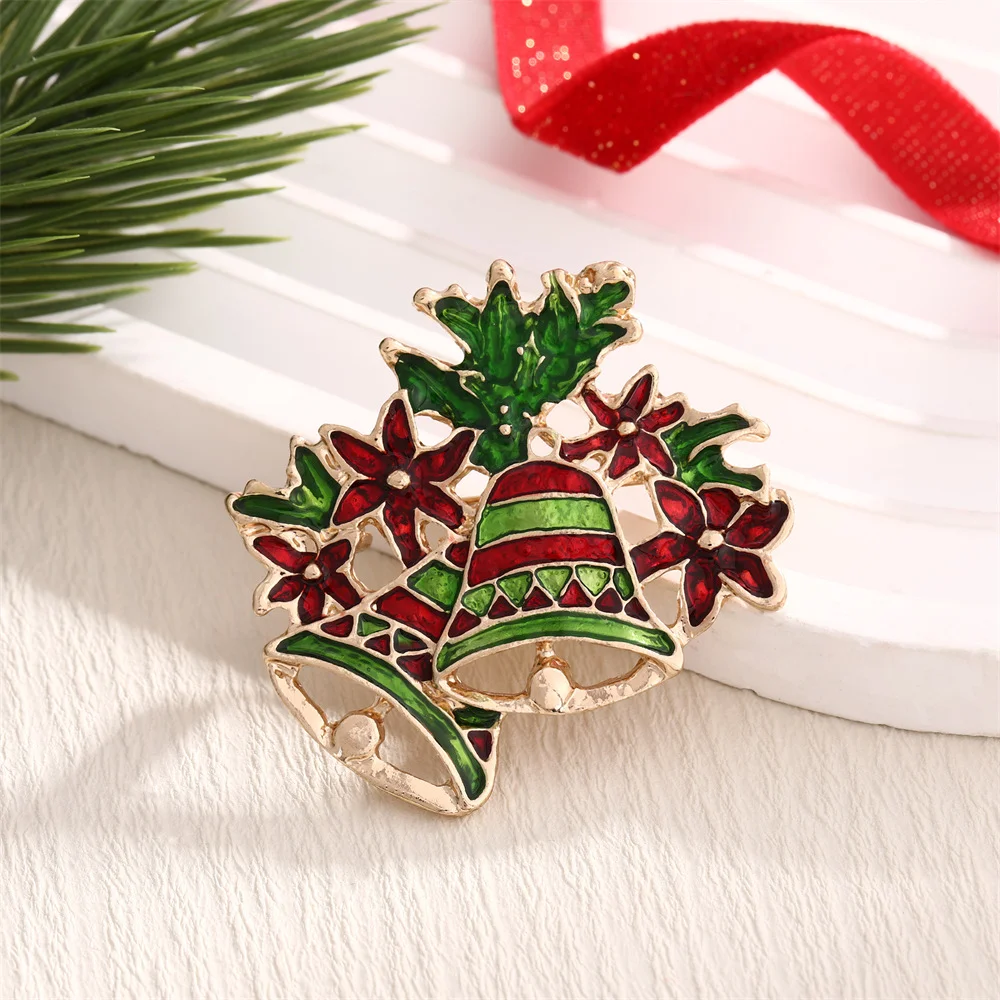
Soft enamel is the safest starting point for most custom enamel pins wholesale buyers. It has a textured feel because the enamel sits below the raised metal lines. This makes the metal outline visible and gives the pin a classic dimensional look. It is cost-effective for logos, mascots, simple icons, clubs, schools, and event merchandise.
Hard enamel is smoother because the enamel is filled level with the metal and polished flat. It feels more refined and often looks closer to jewelry. It is better for premium retail, commemorative gifts, collector drops, and designs where a flat polished surface matters. The tradeoff is cost and process time because polishing adds another step.
The artwork should influence the choice. Soft enamel works best for bold outlines and clear color areas. Hard enamel can support a cleaner premium finish, but it still needs enough metal separation between colors. Neither method is ideal for tiny text, very thin lines, or photographic gradients. If the design is too complex, enlarge the pin or simplify the artwork before cutting the mold.
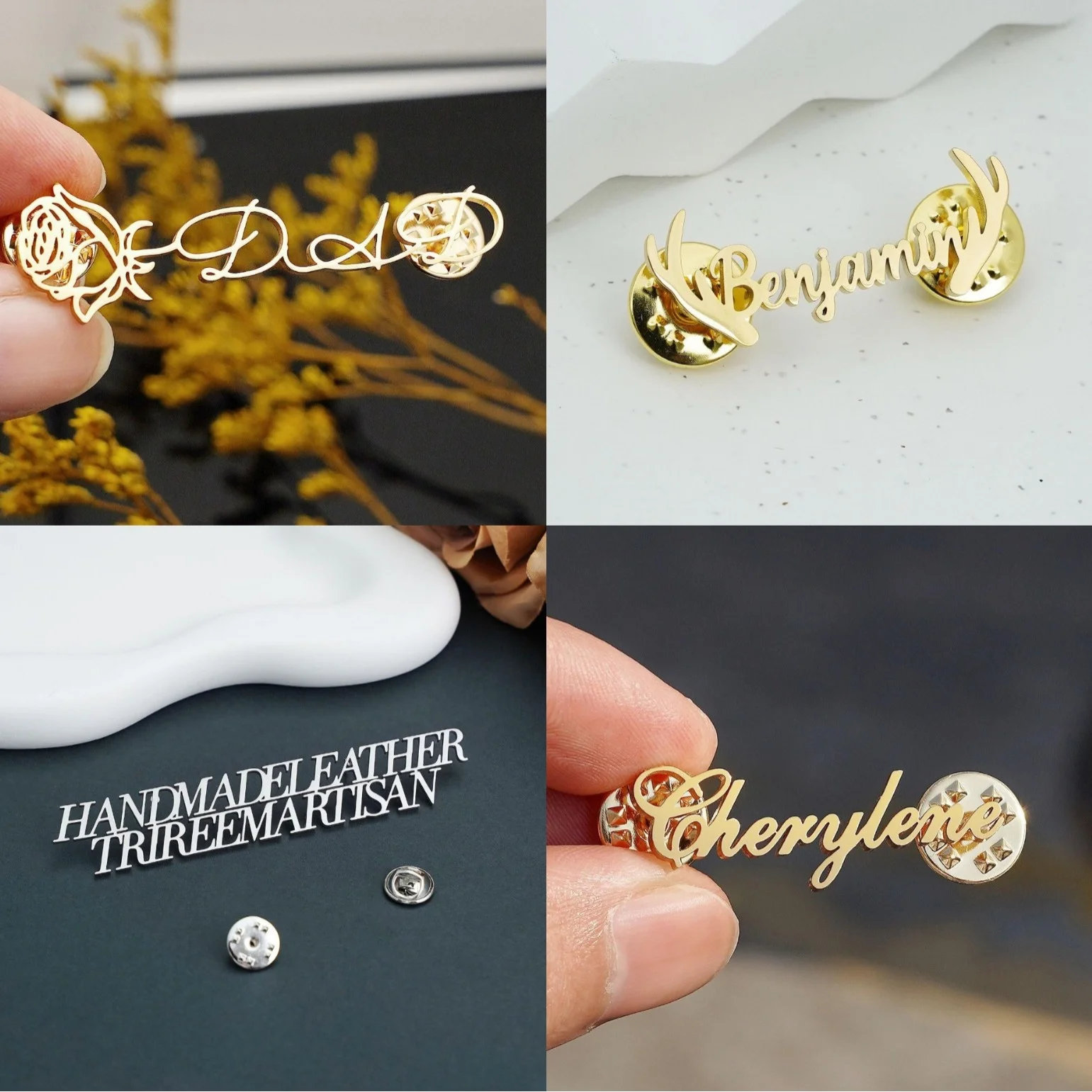
The metal finish frames the whole design. Gold, silver, copper, black nickel, antique brass, antique silver, and rose gold all create different impressions. Gold feels classic and premium. Silver is clean and versatile. Black nickel feels modern and bold. Antique finishes can make a pin feel vintage, official, or commemorative.
Plating quality should be checked on the physical sample. Uneven plating, scratches, tarnish, or rough edges make a pin look cheap even when the artwork is strong. If the pin is for retail or awards, the finish should be consistent across the batch. If the pin is for a low-cost giveaway, the buyer may accept a simpler finish, but it should still be clean.
Back hardware should match the metal finish when appearance matters. A premium gold pin with a weak or mismatched clutch feels unfinished. If the pin will be sold on a card, the customer will see both the front and the back during handling, so the back should not be ignored.
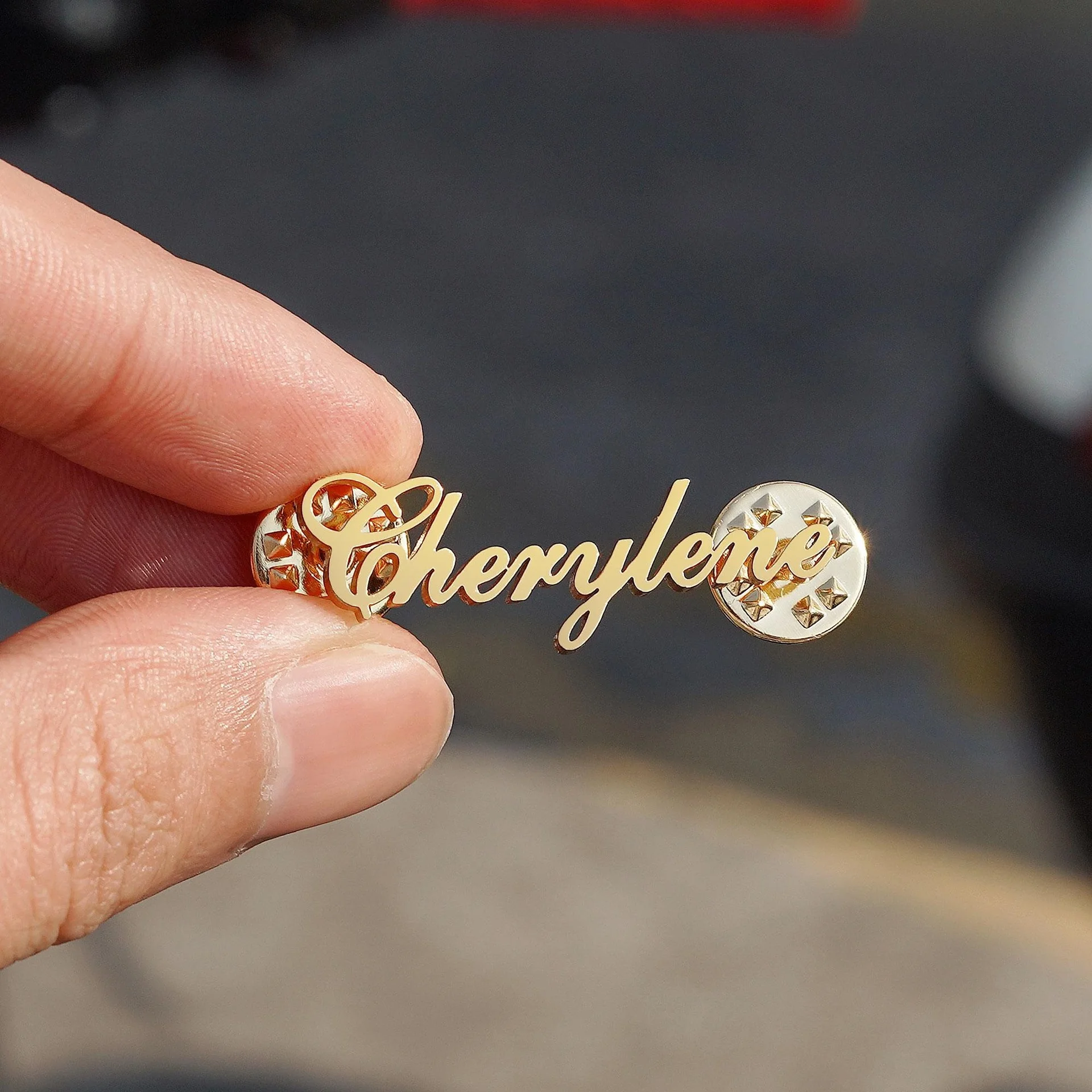
Enamel pin artwork should be built for metal production. Every color area needs to be contained by metal lines. Very small letters, fine outlines, tiny dots, and narrow gaps can disappear when converted into a mold. A design that looks sharp on a screen may not survive at one inch wide.
Send vector artwork whenever possible. AI, EPS, SVG, or vector PDF files let the supplier prepare clean mold lines. Also send a PNG or JPG preview so the supplier can confirm the intended appearance. If the artwork includes a custom shape, separate the cut line from the internal design. Keep important details away from the edge and away from the post location.
Use Pantone references for enamel colors. Screen colors are not reliable because enamel on metal reflects light differently. If the design has many colors, ask whether the palette can be reduced without hurting the design. Fewer colors usually means lower cost, simpler fill, and fewer QC issues.
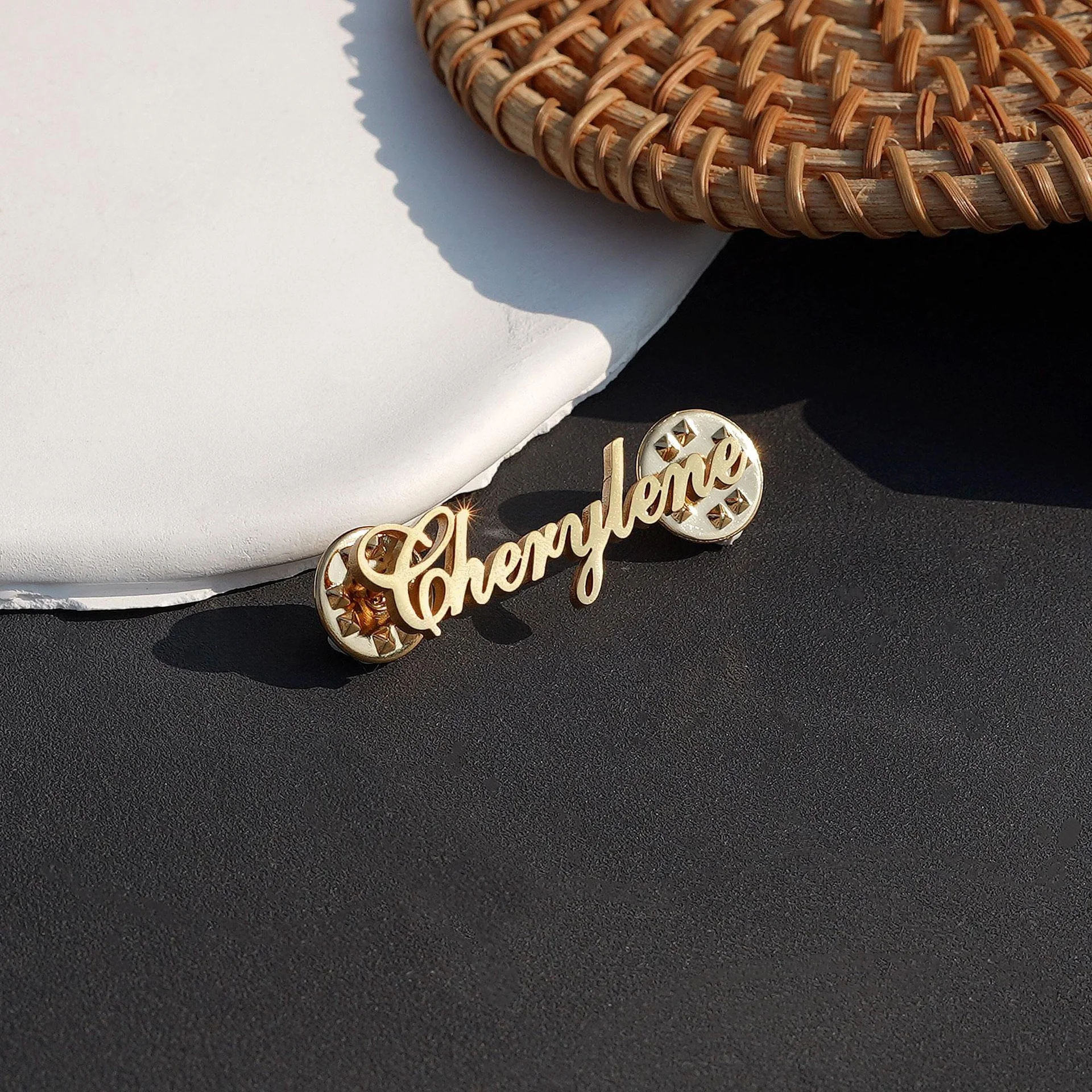
For text, test actual size before approval. Print the design at the intended pin size on paper. If the text cannot be read at that size, it will not become readable after molding and enamel fill. For creator or retail designs, this test prevents expensive sample revisions.
Butterfly clutches are the standard because they are inexpensive and familiar. Rubber clutches are softer and often preferred for events, casual wear, or products used by younger audiences. Magnetic backings avoid piercing fabric and can feel premium, but they cost more and require strength testing. Multiple posts may be needed for larger pins so the design does not rotate when worn.
Choose backing by use case. A corporate lapel pin worn on a jacket may need a secure backing and cleaner finish. A collector pin on a backer card may need a backing that looks good in retail packaging. A children's event pin may need a softer or safer backing. A large pin for backpacks or denim jackets may need two posts for stability.
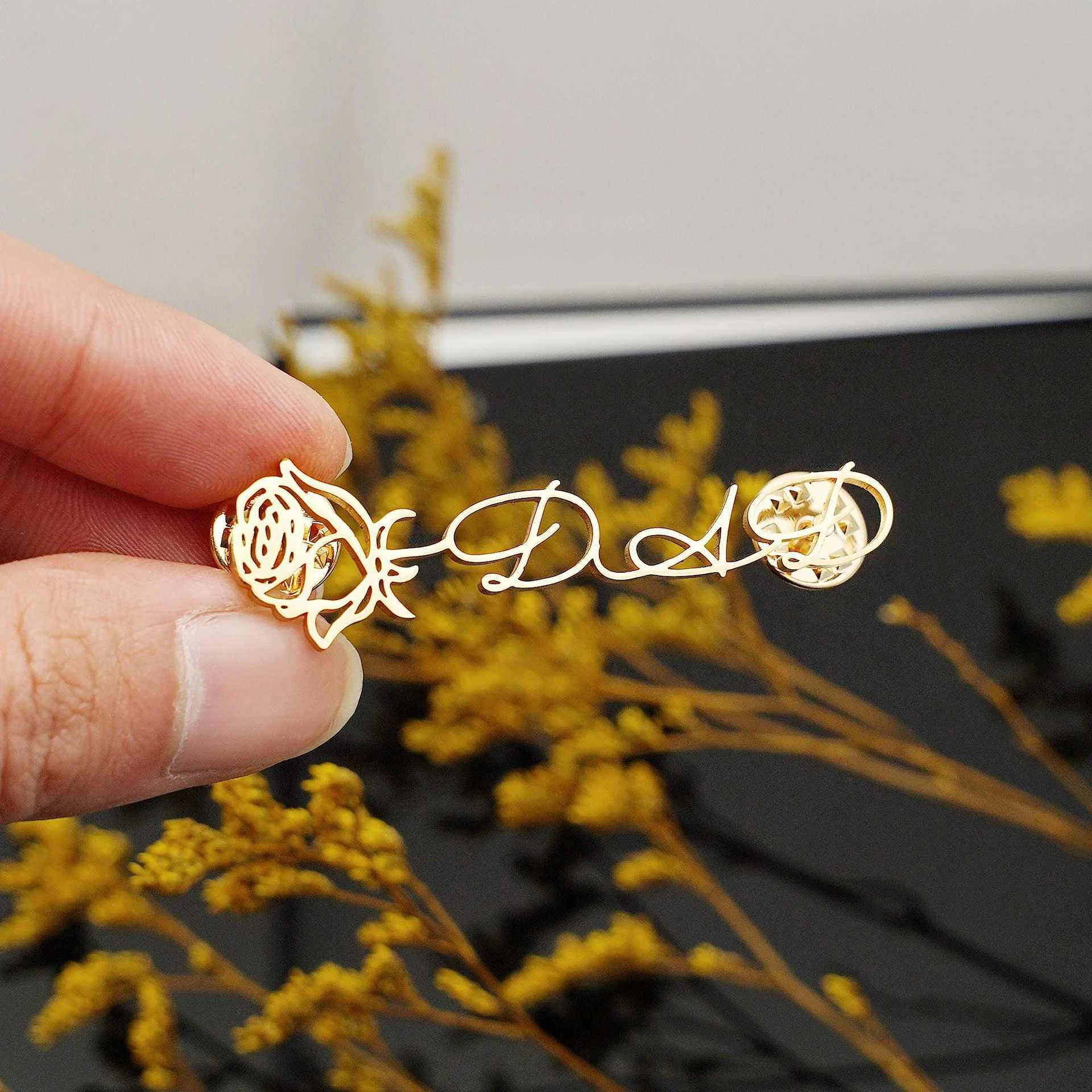
If the pin is intended for uniforms, bags, hats, or heavy fabric, test the sample on similar material. The pin may sit differently depending on fabric thickness. A backing that works on a thin shirt may not work as well on a backpack strap.
Packaging changes the product's perceived value. Bulk pins in poly bags are cheapest and work for giveaways. Backer cards are the standard for retail, events, fundraising, and creator merchandise. Display boxes and premium cards work for limited editions, awards, and gifts.
Backer cards should be designed like part of the product. They can carry a logo, campaign message, artist name, edition number, barcode, QR code, or care note. Card thickness, hole position, pin placement, and individual bagging all matter. A crooked pin on a weak card can reduce the retail impression even if the pin itself is good.
If the pin is part of a series, packaging becomes even more important. Numbered cards, themed card designs, and consistent SKU labels help buyers collect the set. For retailers, clean barcode labels and carton marks are necessary for receiving and inventory.
Backer cards are often treated as an add-on, but for enamel pins they can be the difference between a loose promotional item and a retail-ready product. The card protects the pin, explains the design, carries brand information, and gives the buyer a clean way to display or ship the product.
Use simple bulk packing when the pins will be handed out internally, attached to event kits, or repacked by the buyer. Use individual bags when the pins need to stay clean during transport or distribution. Use backer cards when the pin will be sold, gifted, or displayed. Use boxes only when the pin is part of a premium gift, award, or collector release.

| Packaging choice | Best use | What to confirm |
|---|---|---|
| Bulk poly bag | Low-cost giveaways and internal distribution | Count per bag and carton |
| Individual poly bag | Events, mailers, clean handling | Bag size and seal quality |
| Backer card | Retail, creator merch, fundraising | Card stock, print, hole position, barcode |
| Numbered card | Limited-edition drops | Numbering method and series control |
| Display box | Awards and premium gifts | Box material, insert, protection |
| Retail carton | Distributor or retail receiving | SKU label, carton mark, pack count |
Packaging also affects freight. A loose pin is compact. A pin on a card in a bag takes more space. A boxed pin takes much more space. Buyers comparing landed cost should ask for packed carton dimensions after the final packaging is chosen.
The mold is the main setup item in enamel pin production. The artwork is converted into a die, and the pin shape and metal lines are struck from that die. This is why the first order includes a mold or tooling cost. The mold cost is spread across the order quantity, which is why small orders have higher unit cost.
Ask whether the mold fee is included or separate, whether the mold belongs to the buyer, and how long the supplier stores it for reorders. In many cases, the mold can be reused, making repeat production faster and cheaper. Keep the mold reference, approved sample, artwork file, and Pantone list in a reorder folder.
If the buyer changes the size, shape, or internal metal line structure, a new mold may be required. Changing enamel colors may not require a new mold if the metal structure stays the same. This distinction is useful for limited color drops or seasonal variants.
| Buyer type | Common pin use | Best spec direction |
|---|---|---|
| Brand merch | Logo, mascot, campaign pin | Soft enamel with simple shape |
| Creator merch | Character pin, fandom drop | Soft or hard enamel depending on detail |
| Retail gift shop | Tourist, museum, souvenir pin | Hard enamel or premium soft enamel |
| Corporate program | Employee reward, event badge pin | Soft enamel with backer card or gift box |
| Fundraising | School, club, charity pin | Low-cost soft enamel with simple packaging |
| Commemorative | Anniversary, award, milestone pin | Hard enamel or antique finish |
| Collector drop | Limited edition, numbered series | Hard enamel, premium backing, numbered card |
This matrix helps the buyer match the pin to the audience. A souvenir shop may care more about finish and card presentation than a promotional team. A creator may want the design to look closer to artwork, while a corporate program may want a clear logo and low unit cost.
The specification should be written in a way a supplier can produce and a buyer can inspect. A strong spec does not only say "custom enamel pin." It states size, shape, enamel type, metal finish, backing, color references, packaging, quantity, and deadline. Each item below can change cost, sample time, or quality risk.
0.75 in (19 mm) for small accents, 1 in (25 mm) as the standard, 1.25 in (32 mm) and larger for detailed designs. Larger pins show detail better but cost more per piece and need stronger backings.
Gold and silver are the defaults; black nickel and antique finishes give a more premium or vintage look. The metal finish is the frame of the pin - it sets the perceived quality as much as the enamel.
Butterfly clutch is the standard. Rubber clutches are safer for children's items and events. Magnets are a premium option that protects the fabric underneath. The backing is a specification, not an afterthought - confirm it in the RFQ.
Bulk pins in poly bags are cheapest. Backer cards protect the pin and carry branding; they are the standard for retail and events. Display boxes suit premium and collectible lines. Each packaging option has its own cost and MOQ.
Enamel pins are die-struck: a metal mold is made from your artwork, and every pin is struck from that mold. The mold is the main setup cost, which is why MOQ typically starts around 100 pieces - the mold fee needs to spread across the batch. After production, the mold belongs to you and can be reused for reorders.
Ways to control cost:
The headline price for custom enamel pins wholesale orders is built from several cost blocks. Two suppliers may both quote a 1 in soft enamel pin, but the real product can still be different if one quote includes four colors, a gold finish, butterfly clutch, and bulk bags while another includes eight colors, black nickel, two posts, backer cards, individual bags, and DDP shipping.
| Cost driver | Why it matters | Buyer action |
|---|---|---|
| Size | Larger pins use more metal and show more detail | State width and height |
| Shape | Complex cut shapes need more mold work | Send cut-line artwork |
| Enamel type | Hard enamel adds polishing | Choose by use case |
| Color count | Each enamel color adds fill work | Simplify where possible |
| Metal finish | Plating affects appearance and cost | Confirm finish in RFQ |
| Backing | Magnets, rubber clutches, and double posts cost more | Match backing to use |
| Packaging | Cards, bags, and boxes add material and labor | Quote separately |
| Quantity | Mold cost spreads across more pieces | Ask price breaks |
| Freight | Packing volume changes landed cost | Ask carton dimensions |
The easiest way to control price is to keep the first order simple: standard size, soft enamel, limited color count, standard metal finish, butterfly clutch, and simple packing. Upgrade only the features that support the buyer's real goal.
For retail or collector products, cost control works differently. A backer card, better finish, or hard enamel surface can raise unit price but also raise perceived value. The right question is not always "what is cheapest?" It is "what specification matches how the pin will be sold or used?"
Enamel pins go through two sample stages:
Approve the physical sample before bulk production. Check color against the Pantone references under daylight - enamel colors shift from screen to metal, and this is the last cheap moment to fix them.
A good sample process protects both buyer and supplier. It turns the pin from artwork into a production standard. For a first order, do not treat a digital mockup as final approval. The mockup can confirm layout, but only a physical sample can confirm plating, enamel fill, thickness, backing strength, card alignment, and hand feel.
Use this workflow:
The sample should be checked in daylight or neutral light. Enamel colors, plating tone, and card colors can look different under warm indoor light. If the pin will be sold on a backer card, review the pin and card together instead of reviewing the metal pin alone.
Most enamel pin defects are visible if the inspection is specific. A general "looks good" check is not enough, especially for retail, collector, or award orders.
| Defect | What it looks like | Why it matters |
|---|---|---|
| Under-filled enamel | Enamel sits too low or unevenly | Makes the pin look cheap |
| Overflow enamel | Color crosses over metal lines | Reduces design clarity |
| Air bubbles | Small holes or dots in enamel | Visible on close inspection |
| Scratched plating | Lines or marks on metal surface | Damages premium appearance |
| Tarnish or color shift | Metal finish not consistent | Creates batch inconsistency |
| Rough edge or burr | Sharp or unfinished outer edge | Poor user experience |
| Weak post | Pin post bends or breaks | Product fails during use |
| Loose clutch | Backing does not hold securely | Pin can fall off |
| Off-center backing | Pin rotates or sits crooked | Bad for lapel or uniform use |
| Crooked card placement | Pin not aligned on backer card | Weak retail presentation |
For soft enamel pins, check fill depth, color boundaries, and raised metal lines. For hard enamel pins, check whether the surface is smooth and polished without low spots. For antique finishes, check that the antique effect is intentional and consistent, not random tarnish.
If the order uses multiple colors or multiple variants, inspect each variant separately. A good black nickel pin does not prove the gold version is also correct. A good butterfly clutch version does not prove the magnetic version is correct.
Pins are small, flat, and light, so shipping is cheap by any method and efficient by sea at quantity. Confirm FOB or CIF terms and the packed carton size in the RFQ. See how to order for delivery terms.
Even though pins are small, packaging can change carton volume. A loose bulk pack is compact. A pin on a backer card with an individual bag takes more space. A display box takes even more. If the buyer is comparing landed cost, freight should be based on the final packaging, not only on the bare metal pin.
For event deadlines, express shipping is often practical because pins are compact and not very heavy. For larger retail or wholesale programs, sea freight or consolidated freight can reduce cost. If the buyer needs samples for photography, launch planning, or retailer approval, send those early so bulk shipment is not delayed by final design changes.
Because pins are small, buyers sometimes ignore shipping until the end. That works for loose bulk pins, but it can fail for retail packaging. A pin on a backer card, inside a bag, packed into an inner carton, and then into export cartons takes more room than a loose metal pin. Display boxes take even more room.
Ask for these shipping details before approving bulk production:
For small first orders, express can be practical because pins are compact and the buyer may value speed. For larger reorders or retail programs, sea freight or consolidated freight may reduce cost. For event orders, delivery certainty can be more important than the lowest freight line. If the pin is for a launch, trade show, fundraiser, school event, or employee program, build a buffer into the schedule.
The headline pin price is shaped by more than soft versus hard enamel. Size, shape, color count, plating, backing, packaging, and mold complexity all affect cost. A simple round soft enamel pin with two colors and a butterfly clutch is a very different quote from a custom-cut hard enamel pin with black nickel plating, two posts, rubber clutches, and numbered backer cards.
Quantity also matters because the mold is a fixed setup cost. A 100-piece order carries more mold cost per unit than a 1,000-piece order. Buyers should ask for price breaks at 100, 300, 500, 1,000, and 2,500 pieces where relevant. The best quantity is usually the one that fits the sales forecast while spreading setup cost reasonably.
Packaging should be quoted from the start. Backer cards, boxes, barcode labels, and individual bagging are not free. For retail pins, these costs may be worth it because presentation affects sell-through. For giveaways, simple bulk packing may be the better value.
When the physical sample arrives, check:
Keep the approved sample for comparison during bulk production and reorders. If the sample is approved with corrections, write the corrections clearly. If a color, backing, or card layout changes after sample approval, ask whether a revised sample is needed.
Enamel pins are part of a broader metal merchandise category. Lapel pins are often more formal and may be used for uniforms, clubs, corporate recognition, and events. Challenge coins are heavier, larger, and more premium, with a stronger ceremonial or collectible feel. The buyer should choose by use case, not category name alone.
Pins are best when the item needs to be wearable, tradeable, mail-friendly, and collectible at a low-to-mid price point. Lapel pins work well for professional identity and recognition. Challenge coins work better when weight, presentation, and perceived authority matter. If the buyer wants a broad merchandise line, pins are usually the easiest starting point because they are compact and repeatable.
Before approving a quote, ask:
These questions prevent surprises later. They also help compare factories because every quote is judged against the same specification.
Supplier comparison should use the same specification. Do not compare a soft enamel quote with a hard enamel quote, a bulk bag quote with a backer card quote, or an EXW quote with a DDP quote. Normalize the order first, then compare.
Use these comparison points:
A good supplier should comment on artwork feasibility before quoting final production. If the supplier does not mention small text, thin lines, color separation, or backing placement, the buyer should ask directly. Enamel pins depend on mold structure; production advice matters.
Low-price suppliers may be useful for simple giveaways, but retail or collector pins need better communication. The supplier should be able to explain sample corrections, packaging details, and reorder control. If the supplier cannot keep a clear specification record, the second order may not match the first.
A useful enamel pin RFQ might read:
Product: custom enamel pin for retail merch. Size: 1 inch round. Style: soft enamel. Metal finish: gold. Backing: butterfly clutch, two clutches per pin. Colors: 4 Pantone colors. Packaging: printed backer card with individual poly bag. Quantity: 500 pieces. Please quote mold fee, sample cost, production time, carton size, and shipping to our warehouse.
For a premium collection:
Product: hard enamel pin for limited-edition drop. Size: 1.25 inch custom shape. Finish: black nickel. Backing: rubber clutch or magnet quote both. Packaging: numbered backer card and display box quote both. Please confirm minimum line width and whether the mold can be reused for reorders.
These RFQs show the supplier the exact product and sales intent.
When contacting us, include:
The custom enamel pins page shows current specifications, with related options for lapel pins and challenge coins.
Best for buyers reviewing product sourcing guide + serp gap analysis, related SKU images, RFQ details, MOQ, sampling, packaging, QC, and shipment planning from China.
Soft enamel has textured recessed fill below the metal lines; hard enamel is filled level and polished flat. Hard enamel costs more and suits fine detail and premium products; soft enamel is the value default.
MOQ typically starts around 100 pieces because the mold cost needs to be absorbed across the batch. The mold is yours after production and reduces reorder cost.
The mold fee depends on pin size and complexity and is confirmed in the RFQ. It is a one-time cost - after production the mold belongs to you and is reused on reorders.
Send your artwork, target quantity, packing needs, destination country, and deadline to quote custom enamel pins wholesale with clear factory assumptions.
Data verified as of 2026-08-04. MOQ, lead time, packaging, and compliance scope should be confirmed against the actual order before purchase order approval.
Decision closure
Use the next step that matches your buying stage.
Go to factory-direct custom products without marketplace sourcing to build a normalized RFQ before comparing supplier quotes.
Go to direct factory communication for custom product orders to turn supplier messages into a controlled production record.
Go to the custom product brief form to send artwork, quantity, packaging, and destination details for review.