If you are still choosing the right product category
Go to product category hubs to compare product families before choosing a sourcing route.
Choose canvas tote bags when the bag is part of the product experience: retail packaging, private label merchandise, boutique giveaways, or any program where the recipient is expected to keep and reuse the bag. Choose non-woven tote bags when the bag is a high-volume promotional carrier: trade shows, conferences, grocery campaigns, and one-day events where low unit cost and fast distribution matter more than long-term durability. Canvas costs more, ships heavier, and prints with a more premium feel. Non-woven costs less, packs efficiently, and is easier to justify for large giveaway quantities. The right choice is not simply canvas vs non woven tote bags; it is whether the bag should feel like a branded product or a practical event handout.
If the order is more than 1,000 bags for a short event, start with the non-woven option. If the order is smaller but the bag represents the brand for months, start with canvas.
A tote bag quote depends on the physical specification. Send these details before asking suppliers to compare prices:
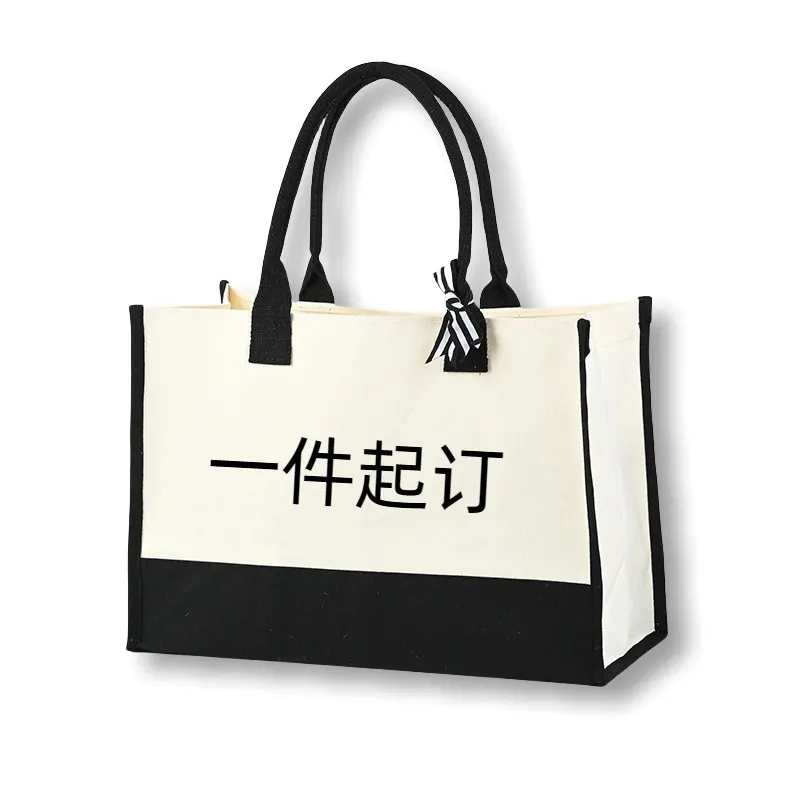
The custom laminated canvas tote bag page shows one common custom bag path and can support quote requests that need canvas construction, print, and lamination details.
| Dimension | Canvas (cotton) | Non-woven (polypropylene) |
|---|---|---|
| Positioning | Product-like, reusable, retail-friendly | Promotional, event-friendly, cost-driven |
| Look and feel | Natural, structured, premium hand feel | Lightweight, matte, functional |
| Durability | High; can be reused for months or years | Low to medium; best for limited reuse |
| Load capacity | Stronger for books, apparel, bottles, and retail goods | Suitable for light items and event materials |
| Print quality | Better for fine lines, multi-color artwork, and premium logos | Best for bold logos and simple color blocks |
| Weight and freight | Heavier; higher carton weight and storage cost | Very light; freight-efficient at volume |
| Typical unit cost | Higher, depending on fabric weight and finish | Lower, especially at large quantities |
| Best use | Retail, private label, boutique giveaways, brand merchandise | Trade shows, conferences, grocery promos, mass handouts |
Canvas is the better choice when the recipient will judge the bag as part of the brand. A boutique shopping bag, a private label merchandise tote, or a premium corporate gift should feel substantial in the hand. Canvas also handles detailed artwork better, especially when the logo includes fine text, gradients, or a premium print method.
Canvas becomes even stronger when reuse is part of the marketing story. A durable canvas bag that stays in circulation keeps the brand visible long after the initial event. The tradeoff is higher unit cost, higher freight cost, and more attention needed on shrinkage, fabric weight, and handle strength.
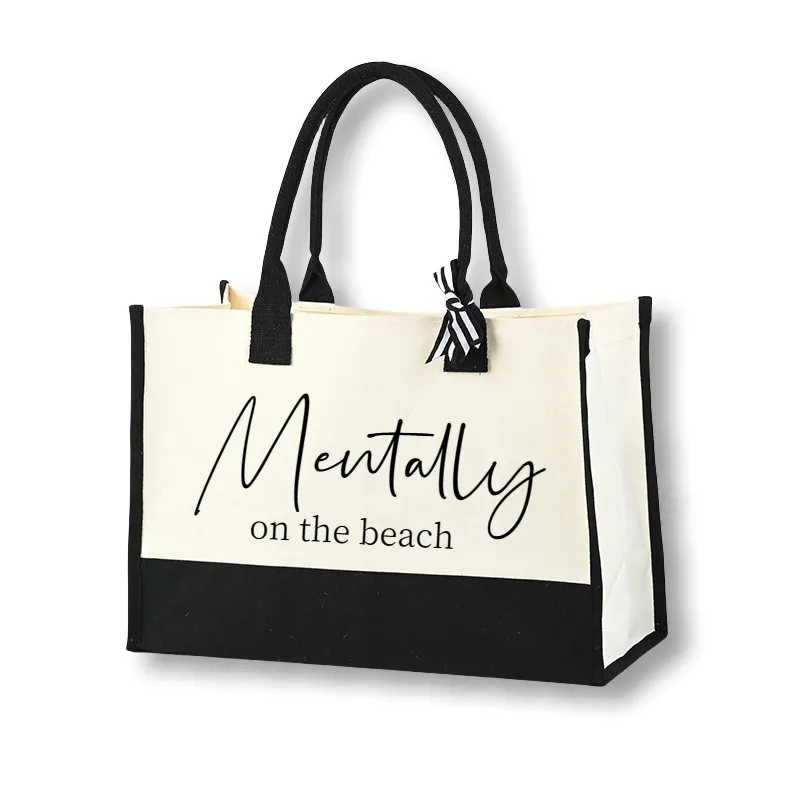
Non-woven polypropylene is the better choice when the bag is mainly a carrier for brochures, samples, groceries, or event materials. It gives the buyer a large print area at a low cost and keeps the packed shipment light. For campaigns measured by quantity and distribution, non-woven usually makes more financial sense than canvas.
The limit is perception. A thin non-woven bag does not feel premium, and detailed artwork may lose clarity on lower-gsm material. If the bag needs to represent a premium brand or survive heavy reuse, non-woven can be the wrong saving.
Matte or glossy lamination makes non-woven bags stiffer, more water-resistant, and more retail-like. It also adds cost and can change recyclability claims, so confirm the exact material structure before making sustainability statements. For one-day giveaways, unlaminated non-woven is usually enough. For grocery, retail, or repeated booth use, lamination can be worth the small premium.
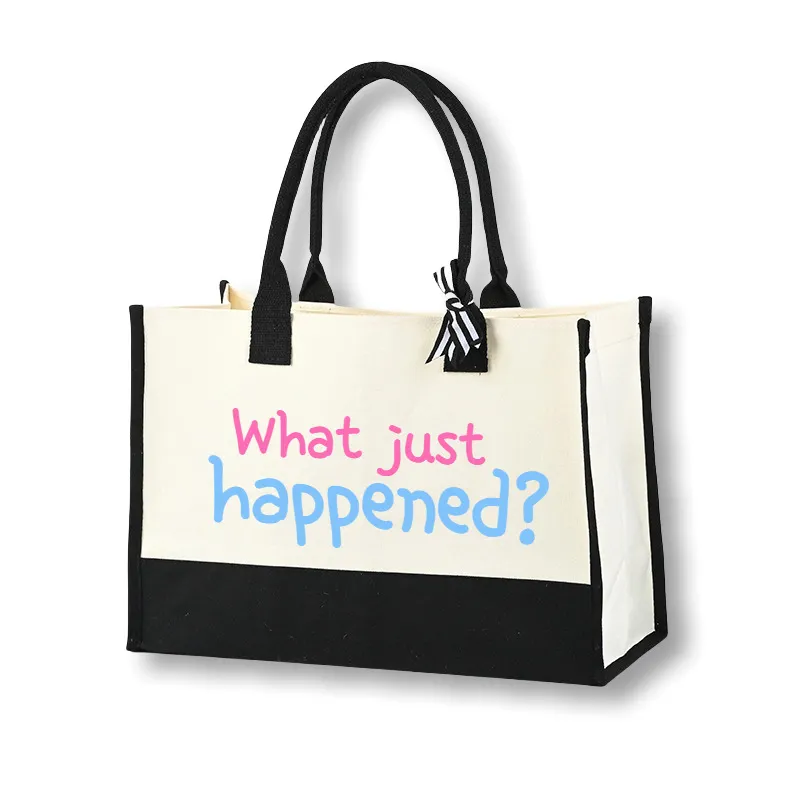
Canvas bags can often support smaller test runs because the product is cut and sewn from fabric and printed after confirmation. Non-woven bags are usually ordered at higher quantities because the low unit cost only becomes meaningful at scale, even though the print setup itself is straightforward.
For both materials, approve a physical sample before bulk production. Check size, fabric weight or gsm, print color, handle attachment, seam strength, and packing. Standard lead time is usually measured in weeks, not days, once artwork confirmation, sampling, production, packing, and freight are included. Event deadlines should be stated in the RFQ, not added after the quote.
Tote bags are light relative to their volume, so freight is driven by packed carton size as much as weight. Non-woven bags fold flat and ship efficiently, making them strong for large sea-freight orders. Canvas bags are heavier and bulkier, which raises freight, storage, and sometimes inland delivery cost.
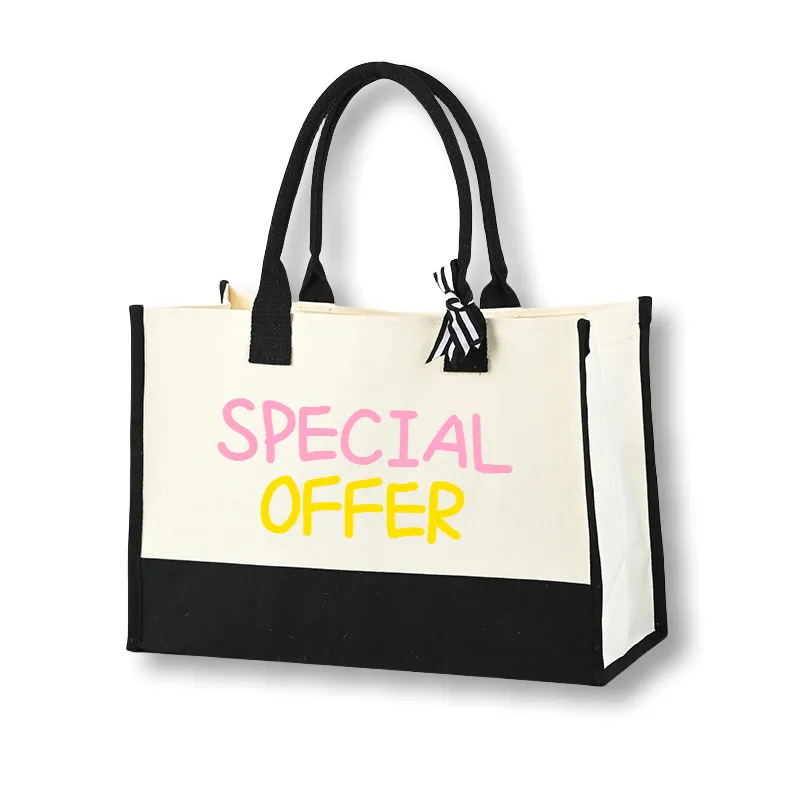
Ask suppliers for carton dimensions, gross weight, pieces per carton, and quote terms such as FOB, CIF, or DDP. A cheaper unit price is not necessarily cheaper if the packed volume is larger or the packing method is missing from the quote. See how to order for how delivery terms work.
When contacting us, include:
The cost difference between canvas and non-woven tote bags is not only the material price. It also comes from fabric weight, cutting, sewing, print method, handle construction, lamination, packing, carton volume, and the number of design versions in the order. A low unit price can become less attractive if the bag needs reinforced handles, individual packing, a multi-color print, or air freight for an urgent event.
Canvas bags usually have a higher starting unit cost because cotton fabric is heavier and the bag construction is closer to a sewn product. A 6 oz cotton tote is a light promotional canvas bag, while 10 oz or 12 oz canvas feels more substantial and can carry heavier goods. The heavier the fabric, the more premium the bag feels, but the order also becomes heavier to ship and more expensive to store.
Non-woven bags usually have a lower unit cost because polypropylene fabric is light and efficient for high-volume production. A 60 gsm bag is suitable for light handouts, while 80-100 gsm gives a stronger event bag, and 120 gsm or laminated non-woven is closer to a reusable shopping bag. If the buyer chooses a very low gsm only to save money, the bag may tear, stretch, or look weak when used with brochures and samples.
| Cost factor | Canvas impact | Non-woven impact |
|---|---|---|
| Material weight | Higher oz increases cost and freight | Higher gsm improves strength but raises cost |
| Handle construction | Webbing or rope handles add labor | Same-material handles are common and efficient |
| Print method | Supports premium print and embroidery | Best with simple logos and large print areas |
| Lamination | Less common; usually not needed | Adds stiffness, water resistance, and cost |
| Packing | Heavier cartons and higher storage cost | Efficient flat packing at volume |
| MOQ pressure | Can support smaller premium runs | Works best when quantity is high |
MOQ also behaves differently. Canvas can be practical for smaller branded programs because the value per bag is higher and short runs are common for merchandise. Non-woven becomes most efficient when the order is large enough for the low unit cost to matter. For a 300-piece boutique order, canvas can make sense. For a 10,000-piece expo bag, non-woven is usually the better economic choice.
The easiest way to choose between canvas and non-woven is to describe the job the bag must do after delivery.
For a retail shopping bag, canvas is usually stronger. A customer may keep the bag, carry it in public, and connect it with the store experience. The bag becomes part of the brand. If the shop sells apparel, books, gifts, beauty products, or premium food items, a better canvas tote can support the brand image and encourage reuse.
For a trade show giveaway, non-woven is often the practical choice. The recipient needs a carrier for brochures, catalogs, samples, and small gifts. The buyer needs thousands of pieces, fast distribution, low unit cost, and reliable event delivery. A non-woven bag with a bold logo is enough for this use case, especially when the bag is not expected to last for years.
For an e-commerce insert or gift bag, the decision depends on the order value. A low-cost product bundle may use non-woven to keep the landed cost under control. A premium subscription box or brand launch gift may use canvas because the bag adds perceived value and creates a reusable reminder of the brand.
For a grocery or community campaign, laminated non-woven can be a strong middle option. It is still cheaper than heavy canvas, but it feels stronger than thin event non-woven and can stand up to repeated light use. Confirm the gsm, lamination finish, handle strength, and load target before approving this route.
For a private label merchandise line, canvas usually wins. A buyer can adjust fabric weight, handle length, print method, inside pocket, label, and packing to create a real SKU. Non-woven rarely feels strong enough for a merchandise product unless the positioning is explicitly low-cost or utility-focused.
Tote bags have a large print area, but that does not mean every artwork file will print well. The fabric surface affects line sharpness, color density, and how the ink or transfer feels after production.
For canvas, artwork can be more detailed because the fabric surface holds print better. Screen printing works well for bold logos and simple color areas. DTF, heat transfer, and digital methods can reproduce more colors, but the buyer should approve the hand feel on a sample. A large transfer that feels stiff on a soft cotton tote may look good in a photo but feel cheap in use.
For non-woven, simple artwork is safer. Large color blocks, bold text, and clean logos work better than tiny lines, gradients, or detailed illustrations. Lower-gsm polypropylene can make fine details look less crisp. If the logo includes small text, ask the supplier to print a sample at final size before approving bulk production.
Artwork files should be sent in vector format when possible. AI, EPS, or editable PDF files help the supplier maintain sharp edges and scale the logo correctly. Include Pantone references if brand colors matter. If the bag body color is also brand-sensitive, list the target color and ask what tolerance the supplier can hold. A screen mockup is not enough for color approval because fabric, ink, coating, and lighting all change the final appearance.
Print position should be measured from the finished bag edges, not guessed from a mockup. For example, state that the logo should be centered, 80 mm below the top edge, with a print width of 220 mm. This prevents the logo from drifting too high, too low, or too close to the gusset when the bag is sewn.
Both canvas and non-woven bags are often described as reusable, eco-friendly, recyclable, or sustainable. Buyers should be careful with these words. A reusable bag is not automatically environmentally better in every situation, and a recycled or recyclable claim needs material support.
Canvas has a strong natural-material story because it is usually cotton. It feels reusable and durable, which makes the sustainability message easier to understand. However, cotton also has its own production footprint, and heavier canvas uses more material. The safest claim is often specific and modest: "reusable cotton canvas tote" is clearer than a broad claim such as "green bag."
Non-woven polypropylene can be lightweight and efficient, and some versions may be recyclable depending on local systems and material construction. Lamination can improve strength and water resistance, but it may make recycling claims more complicated. If the buyer wants to print a recycling symbol or environmental statement, ask the supplier for the material composition and confirm whether the claim is appropriate for the destination market.
For both materials, avoid unsupported claims such as "100% eco friendly," "fully biodegradable," or "certified recycled" unless documents support the wording. If sustainability is a key selling point, include documentation needs in the RFQ from the beginning. The supplier cannot fix a packaging claim after the bags are already printed.
Packing affects cost, freight, and arrival condition. Canvas bags can wrinkle, crease, or pick up dust if packed carelessly. Non-woven bags can deform, fold unevenly, or arrive with lamination marks if compressed badly.
For event handouts, bulk flat packing is usually enough. The buyer mainly needs fast counting and distribution. Cartons should be labeled by bag color, artwork version, and quantity so the event team can sort them quickly.
For retail or premium programs, individual poly bags, belly bands, header cards, or branded sleeves may be needed. These improve presentation but add labor, material cost, and carton volume. Retail packing also requires artwork approval, barcode placement, label review, and sometimes country-of-origin marking.
Carton data should be requested before comparing freight quotes. Ask for pieces per carton, carton dimensions, gross weight, and estimated total cartons. Tote bags are often charged by volume rather than actual weight, especially by air or express. A canvas bag that looks affordable at the unit level can become expensive if shipped urgently. Non-woven bags usually stay efficient because they fold flat, but laminated bags can take more space.
If the order has a fixed event date, choose the freight method from the required arrival date, not from the cheapest quote. Sea freight is best for large planned orders. Air freight can rescue a deadline but may erase the savings from choosing a low-cost bag. Express is useful for samples and urgent small quantities, not for most bulk bag orders.
A tote bag sample should be checked like a functional product, not just like a printed surface. The sample must be filled, carried, folded, and reviewed under normal light.
For canvas bags, check fabric weight, fabric hand feel, shrinkage risk, seam strength, handle stitching, print clarity, and color match. If the bag will be washed, ask whether the fabric is pre-shrunk and test the sample. If embroidery is used, check thread density and backing so the inside does not look rough.
For non-woven bags, check gsm, stiffness, lamination, handle attachment, side seams, bottom seam, and print adhesion. Put brochures or sample products inside and lift the bag by the handles. A bag that looks fine flat can fail when loaded.
Inspection before shipment should confirm finished size, material weight, print position, color, handle strength, packing count, and carton marking. If the order includes multiple bag colors or multiple artwork versions, inspect the split carefully. Wrong color splits and mixed cartons are common preventable problems.
When comparing suppliers, make sure each quote describes the same bag. A quote for an 80 gsm non-woven bag cannot be compared directly with a quote for a 100 gsm laminated bag. A 6 oz canvas bag is not the same product as a 12 oz canvas bag with webbing handles.
Ask each supplier to confirm:
A good supplier should answer these details clearly and consistently. If the quote only says "canvas tote bag" or "non-woven shopping bag" without weight, size, print method, and packing, it is not detailed enough for a serious purchase decision.
A clear RFQ for a tote bag order might look like this:
Product: custom tote bag. Material option A: 10 oz cotton canvas. Material option B: 100 gsm laminated non-woven polypropylene. Size: 38x42x10 cm. Handle: shoulder length, 60 cm total length, reinforced stitching. Logo: one-color black screen print, 220 mm wide, centered on front panel, vector PDF attached. Quantity: 3,000 pcs, all natural canvas or white non-woven. Packing: 50 pcs per carton, folded flat. Destination: USA. Target arrival date: September 20. Please quote MOQ, sample cost, production time, carton size, gross weight, and sea freight option.
This format lets the supplier compare realistic options instead of guessing. It also helps the buyer see whether canvas is worth the premium or whether non-woven meets the purpose at a lower landed cost.
Best for buyers reviewing material comparison guide, related SKU images, RFQ details, MOQ, sampling, packaging, QC, and shipment planning from China.
Non-woven tote bags are usually cheaper per unit and lighter to ship. Canvas bags cost more, but they last longer, feel more premium, and support better print detail.
Non-woven is usually better for trade shows because it is low cost, light, and practical for high-volume handouts. Canvas is better only when the event bag is intended to feel premium or be reused for a long time.
Canvas is usually the better retail choice because it feels like part of the product. It works well for boutiques, apparel brands, gift shops, and private label merchandise.
Send your artwork, target quantity, packing needs, destination country, and deadline to quote canvas vs non woven tote bags with clear factory assumptions.
Data verified as of 2026-08-04. MOQ, lead time, packaging, and compliance scope should be confirmed against the actual order before purchase order approval.
Decision closure
Use the next step that matches your buying stage.
Go to product category hubs to compare product families before choosing a sourcing route.
Go to custom products for startups under 500 units to check low-MOQ order logic before asking for bulk pricing.
Go to the custom product brief form to send artwork, quantity, packaging, and destination details for review.