If you are still validating a first small batch
Go to custom products for startups under 500 units to check low-MOQ order logic before asking for bulk pricing.
Amazon FBA apparel
We supply custom apparel to Amazon and ecommerce sellers: decorated garments, your own labels, and packing that matches how Amazon actually receives stock. This page also states plainly what we do not do, because that decides whether we are the right supplier for your listing.
We take an apparel order from the garment through to a packed, carton-marked carton: the garment to your specification, the decoration applied, your neck label and care label, and packing that matches the rules of the channel you sell on.
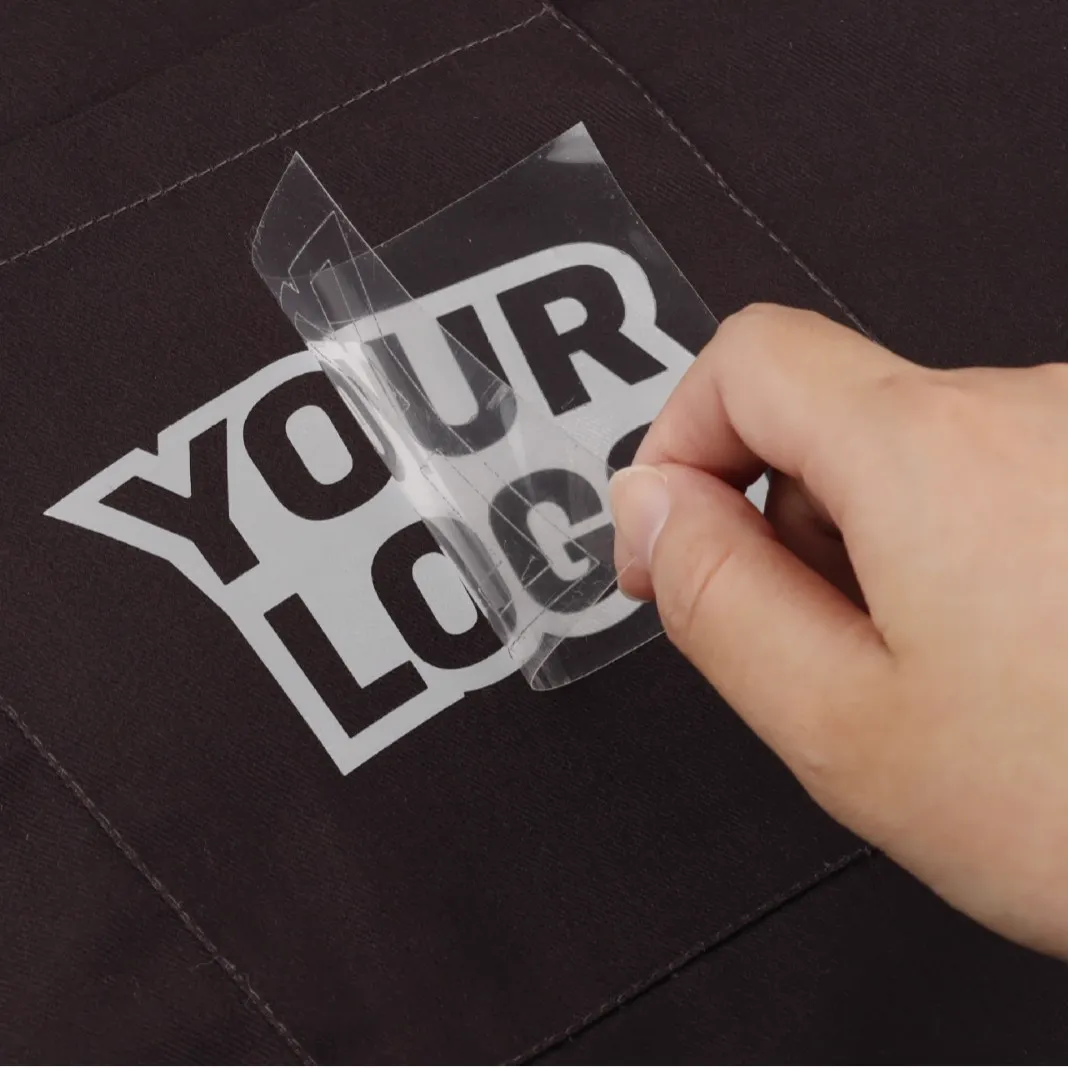
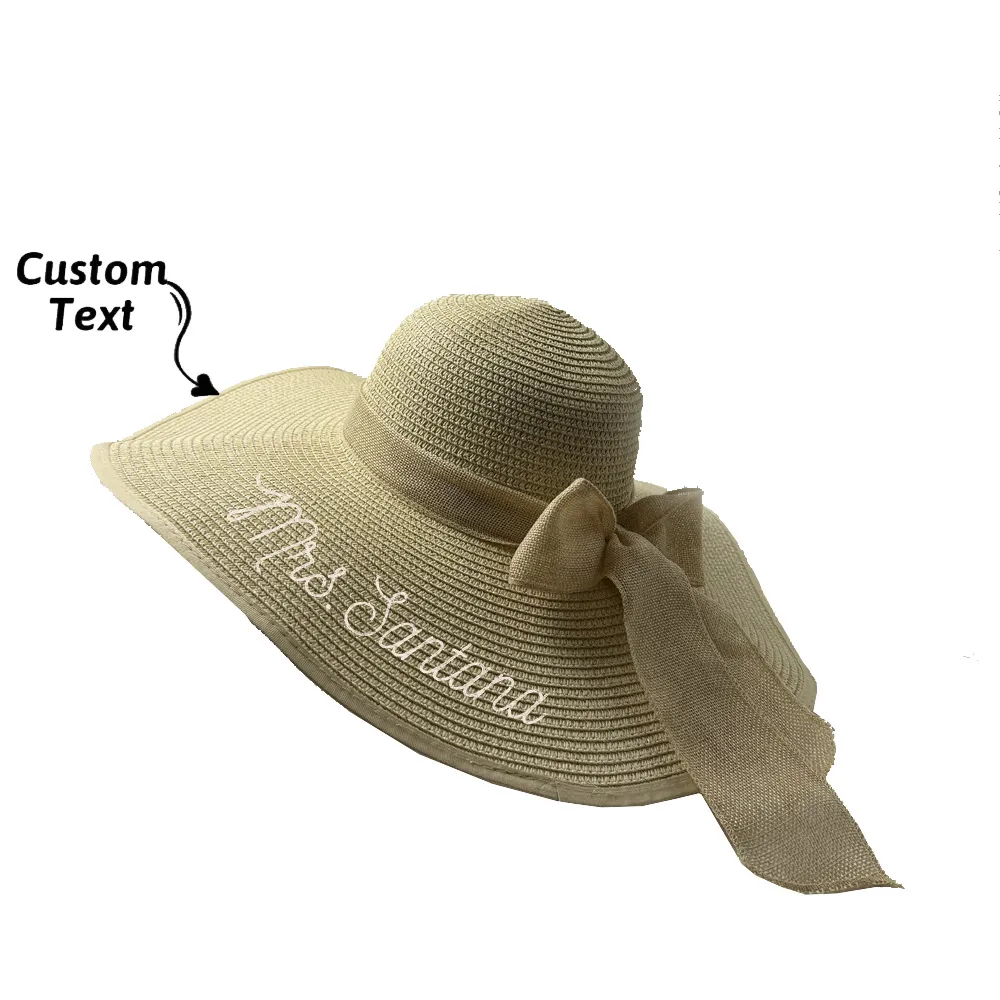
Decoration is screen print, DTG, embroidery or heat transfer, chosen from the artwork and the quantity rather than from a price list. Labels, hang tags and packaging carry your brand in place of ours.
The part that decides whether a reorder matches the first run is the specification: fabric weight and blend, size range and size ratio, print area, label placement and carton marks. Those should be fixed in writing before production starts, not agreed during packing.
The fastest route to a repeatable Amazon apparel SKU is to keep a blank you have already sold, or one your market already recognises. Changing the garment and the print at the same time makes a bad review impossible to diagnose.
If you do not have a blank reference yet, we can propose garments by fabric weight, blend, fit and size range. What we cannot do is invent a fit: send a garment you already sell and we work from the physical piece.
Decoration method is decided by the design, the garment and the quantity, in that order. Screen print is the cheapest route at volume for a small number of colours. DTG suits full-colour and photographic artwork without setup. Embroidery is the durable option for logos, caps and polos, and it has its own limits on line weight and small text. Heat transfer sits between them and carries fine detail well.
The mistake that costs the most is approving a method from a price list and then discovering the artwork cannot hold it. Small reversed-out text, thin outlines, gradients and small lettering all fail differently depending on the method. Send the artwork file and the method gets specified against it.
The garment is only half the order. Amazon receiving rules are what most first-time apparel sellers are unprepared for, and a correct product can still sit in the wrong place if the labels and carton are wrong.
Plan these before production finishes, not after. Repacking at the last minute is where lead times are lost.
Apparel is not a single-SKU order. A quantity of 2,000 pieces is really a quantity per size per colour, and the split is what determines whether you sell out of mediums in one colourway while large sits in the warehouse.
Send the split you want, or send last season sales by size and it can be proposed. What should not happen is a factory deciding the split from the total quantity, which is how a listing ends up with the wrong inventory.
Before the run, the sample confirms the garment, the decoration, the label placement and the packed unit. Approve the packed product, not the loose item, because the polybag, the hang tag and the label are part of what the customer receives.
Keep the approved sample and its photos. On a reorder, that sample is the standard, and it is what prevents colour and placement drift between runs.
| Route | Works When | Watch For |
|---|---|---|
| Print on a blank you already sell | You have a proven listing and want lower cost or your own label. | Confirm the blank is the same weight and blend as the one being reviewed. |
| Decorated garment with new branding | You are launching your own brand on an existing fit. | Change labels and packaging at the same time, or the brand does not read as one. |
| Your own pattern, fit and grade | The product is the differentiation and no existing garment fits it. | Pattern, fit and grade all need to be fixed on an approved sample before bulk. |
Common procurement pitfalls
Either route is possible, and which one you want decides the brief. Send the garment you already sell and we match it and decorate it. Send the specification you need, with fabric, fit and size range, and it is produced to that. The specification is confirmed on a sample before the bulk run.
Yes. Neck labels and care labels can replace the supplier branding, and hang tags, polybags and packaging can all carry your brand. Label and packaging requirements should be agreed before production finishes, because they change packing time and carton volume.
FNSKU labels can be applied per unit or supplied in rolls for you to apply, and polybags can include the suffocation warning where a bag is used. Carton marks and carton weight limits should be confirmed against the channel you are shipping to, because receiving rules differ and change.
It depends on the garment, the decoration method and the number of colours and sizes, because setup is what drives the floor rather than the garment cost. Tell us the product, the method and the size split and the minimum comes back with the quote.
Yes, and you should. The approved sample and its records become the standard for the reorder. Changing the blank supplier between runs without re-approving is one of the most common causes of a listing drifting in weight, fit or colour.
The blank reference or one physical sample, artwork files, quantity by size and colour, your label and packaging needs, and the channel you are selling on. With those, the reply is a quotation with the decoration method specified against your artwork.
Decision closure
Use the next step that matches your buying stage.
Go to custom products for startups under 500 units to check low-MOQ order logic before asking for bulk pricing.
Go to small batch custom logo products from China to choose practical logo, packaging, and MOQ routes.
Go to the custom product brief form to send artwork, quantity, packaging, and destination details for review.