If you are building a retail or ecommerce-ready SKU
Go to private label ready products to review labels, barcode, packaging, and carton requirements early.
Private label packaging should be part of the first RFQ, not a final packing note. Buyers should confirm labels, hang tags, barcode rules, polybags, carton marks, and retail presentation before supplier comparison.
Private label packaging turns a factory product into a retail or ecommerce selling unit. For custom orders from China, packaging should be reviewed before the factory quotes bulk production because labels, hang tags, barcode stickers, and carton marks all affect cost and timing.
Buyers should define whether the selling unit is a loose product, polybagged product, hang-tagged product, gift box, bundle, or retail-ready carton. This decision affects packing labour, inspection, and warehouse receiving.
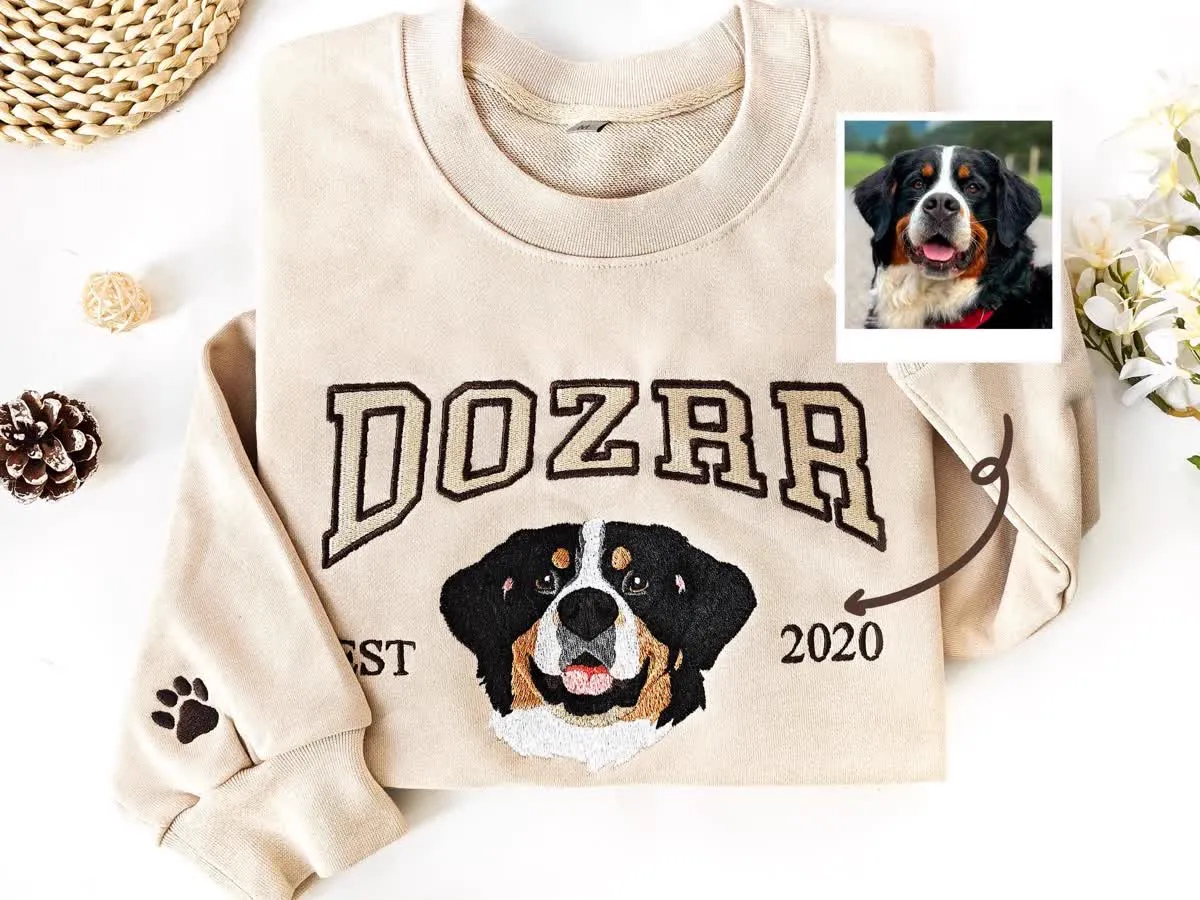
The private label ready collection groups product options where packaging and branding should be scoped before price comparison.
Care labels, brand labels, barcode stickers, hang tags, and carton marks should be confirmed before sampling. If these files arrive after sample approval, the order can pause even when the product itself is ready.
For online shops and marketplace sellers, the Etsy seller sourcing collection is useful because it connects product choice with small-batch packaging and repeatability.
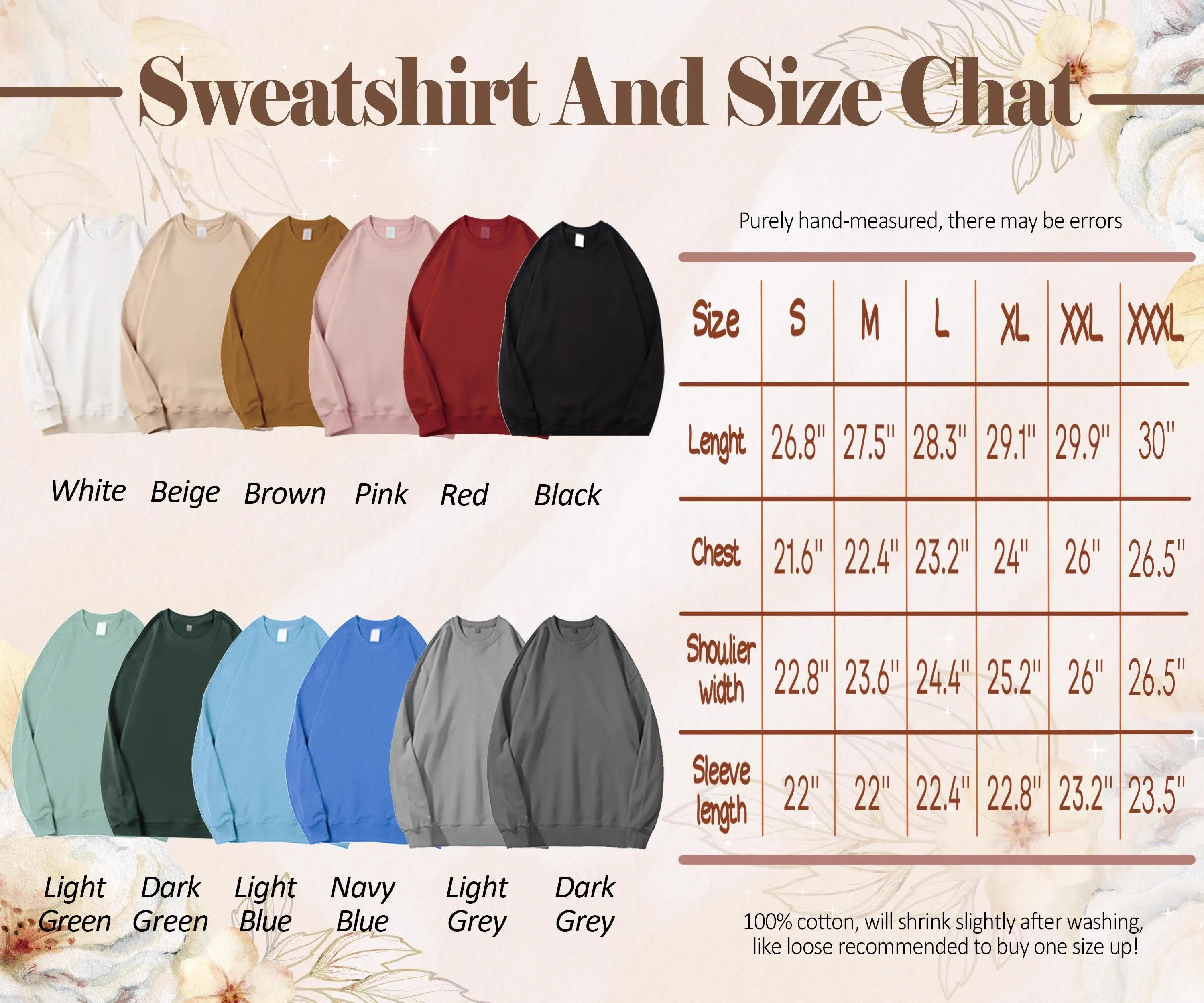
QC should check product appearance, label position, barcode readability, polybag condition, carton count, and carton mark accuracy. A good product can still fail receiving if the barcode or carton label is wrong.
For gift programs, the corporate gifts collection helps buyers think about perceived value and packing presentation together.
A private label order should not stop at approving the product body. The packed sample should confirm label position, barcode readability, hang tag content, polybag warning text, carton mark format, carton quantity, and the way mixed SKUs are separated. These details affect receiving, ecommerce listing accuracy, and retailer compliance.
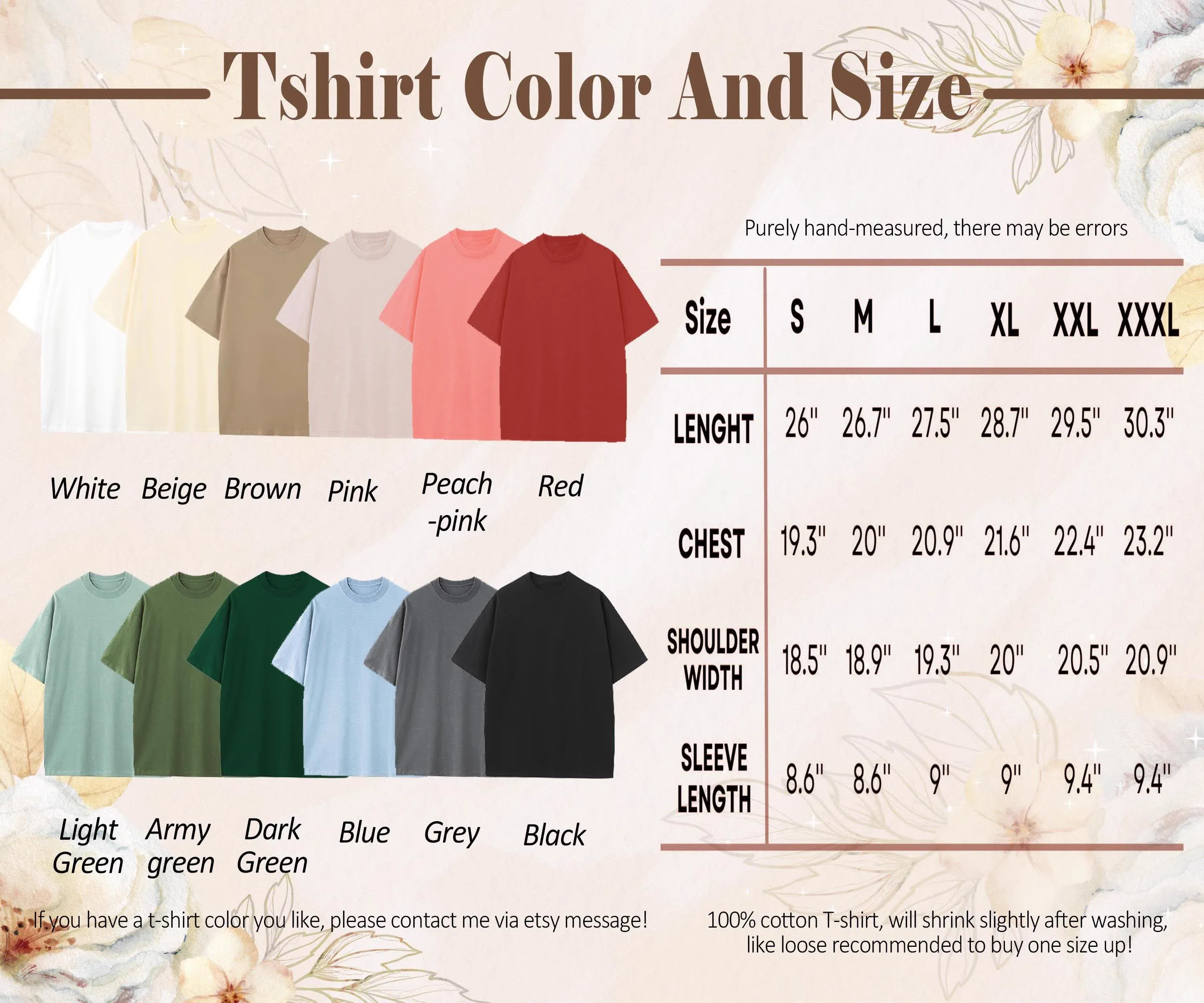
When the package is part of the selling unit, ask the supplier to quote product cost, logo cost, label cost, packing labour, carton volume, and inspection scope separately. This makes supplier comparison cleaner and reduces late cost changes.
For custom product orders, the strongest supplier conversations separate the product idea from the production assumptions. Buyers should confirm material, size, logo position, colour tolerance, packaging, carton marks, inspection scope, destination country, and delivery deadline before comparing final quotes. This prevents two common problems: choosing a low price that excluded important work, or approving a sample that does not represent the packed bulk order.
A practical review also includes risk ownership. The buyer should know which files are required before sampling, which details can change MOQ or lead time, which documents may be needed for the destination market, and which photos or inspection records should be collected before shipment. These checks make the order easier to repeat and reduce late changes after the purchase order is approved.
Private label packaging should be included in RFQ, sampling, inspection, and carton planning for custom product orders.
Confirm packaging before final quote and sample approval so the supplier can price labels, packing labour, carton volume, and inspection scope correctly.
Barcode labels can usually be reviewed if the buyer provides barcode files, placement rules, SKU mapping, and carton mark requirements.
It can. Packaging materials, printed labels, hang tags, and cartons may have separate minimums.
Send your label, barcode, packing, and carton mark requirements for review.
Data verified as of 2026-06-12. MOQ, lead time, packaging, and compliance scope should be confirmed against the actual order before purchase order approval.
Decision closure
Use the next step that matches your buying stage.
Go to private label ready products to review labels, barcode, packaging, and carton requirements early.
Go to direct factory communication for custom product orders to turn supplier messages into a controlled production record.
Go to the custom product brief form to send artwork, quantity, packaging, and destination details for review.