If you are still choosing the right product category
Go to product category hubs to compare product families before choosing a sourcing route.
The standard payment structure for custom orders from China is a deposit plus balance: typically 30% T/T deposit to start production and 70% balance before shipment or against shipping documents. For large orders, an L/C (letter of credit) replaces trust with bank terms. The buyer's protection comes from the payment schedule and the documents - never pay 100% in advance, and confirm the receiving account directly with the supplier by phone or video before any transfer. Payment terms are part of the RFQ, not an afterthought: deposit percentage, balance trigger, and bank details should be agreed in writing before production starts.
| Method | Best use | Notes |
|---|---|---|
| T/T bank transfer | Most custom production orders | The common structure is 30% deposit and 70% balance |
| L/C letter of credit | Large orders | Bank-backed terms; complex but useful for long-term programs |
| Escrow or trade assurance | Platform transactions | Third-party holding account; platform fees usually apply |
| PayPal / credit card | Samples and small payments | Convenient, but fees and limits are common |
The default for custom manufacturing. The deposit covers materials and production startup; the balance is paid before shipment or against the shipping documents (usually the bill of lading copy). A 30/70 split is common; higher-value orders may use 20/80, and repeat customers may negotiate longer payment windows.
For large orders, an L/C shifts risk from trust to banking terms: the bank pays when the supplier presents the required documents (invoice, packing list, bill of lading, inspection report). L/Cs cost money and require precise documentation, so they suit high-value industrial orders rather than small consumer goods.
Payment terms are not only a finance topic. They shape production control, supplier behavior, inspection leverage, and shipment timing. A buyer who pays too much too early loses negotiating power if the goods fail inspection. A supplier who receives too little deposit may be unwilling to buy material, reserve capacity, or start custom tooling. The best payment structure balances both sides.
In most custom orders, the deposit gives the supplier working capital to buy materials and start production. Custom goods are not easy to resell if the buyer cancels, so suppliers usually need a deposit before committing labor and material. The balance gives the buyer leverage to confirm that goods are made, inspected, packed, and ready to ship.
The balance trigger is the key detail. "70% before shipment" can mean different things. It may mean before goods leave the factory, before goods are loaded at port, or before the supplier releases shipping documents. Buyers should define the trigger clearly. For many orders, a practical structure is deposit before production, inspection before balance, and balance before shipment release. For large sea shipments, payment against a copy of the bill of lading may be negotiated.
Payment terms also affect lead time. If the buyer delays the deposit, production does not start. If the buyer delays the balance, shipment can miss the booked vessel or flight. If bank transfers take several business days, the schedule should include that time. For seasonal orders, event orders, or industrial projects with installation deadlines, payment approval should be part of the project calendar.
Different custom orders need different payment risk controls. A simple sample order should not use the same structure as a high-value industrial materials shipment. The table below gives practical starting points.
| Order type | Common payment structure | Buyer note |
|---|---|---|
| Sample order | 100% sample fee plus shipping in advance | Normal because value is small and custom work starts immediately |
| Small custom order | 50% deposit and 50% before shipment, or 30/70 if supplier agrees | Higher deposit may be requested because setup cost is large relative to order value |
| Standard bulk order | 30% T/T deposit and 70% before shipment after inspection | Most common structure for custom goods |
| Repeat order with stable supplier | 30/70, 20/80, or negotiated credit terms | Better terms may come after payment history is established |
| Large industrial order | T/T milestones or L/C | Documents, certificates, and inspection reports matter |
| Tooling or mold order | Tooling fee paid separately, then production deposit | Tool ownership and reuse terms should be written |
| Urgent order | Deposit immediately, balance before release | Payment speed affects production and freight booking |
These structures are not rules. They are negotiation starting points. The final terms depend on order value, product type, supplier relationship, customization level, credit history, destination market, and whether the buyer uses third-party inspection.
The deposit usually allows the supplier to begin work. For custom products, this may include raw material purchase, fabric booking, mold setup, printing preparation, packaging procurement, labor scheduling, and sample-to-production conversion. A supplier may not start these steps until the deposit is received because the goods are customized to the buyer's artwork, size, color, or packaging.
A 30% deposit is common for many custom manufacturing orders, but not universal. If the product requires expensive material, special tooling, custom color material, private packaging, or a small quantity with high setup cost, the supplier may request a higher deposit. If the buyer has strong order history or the product is standard, the supplier may accept a lower deposit.
Buyers should ask whether the deposit is refundable, partly refundable, or non-refundable after production starts. In many custom orders, once material is purchased or tooling begins, the deposit cannot be fully refunded. This should be understood before payment. If the order depends on sample approval, the buyer can separate sample payment from bulk deposit so the bulk order does not start until the physical sample is approved.
For tooling, molds, or custom fixtures, the tooling payment should be defined separately from product payment. Write who owns the mold, whether it can be reused for reorders, whether it can be transferred, how long it is stored, and whether the tooling fee is refundable after a certain order quantity. Without these details, future reorder discussions can become difficult.
The balance payment is where most buyer protection sits. If the buyer pays the balance before any inspection or production evidence, the payment structure provides little protection. If the supplier ships goods before receiving balance, the supplier carries risk. A clear balance trigger protects both sides.
For many custom consumer goods, the balance is paid after the supplier confirms production is complete and after the buyer reviews inspection results or production photos. The goods remain at the factory or forwarder until payment clears. This structure gives the buyer a chance to request correction if the inspection fails.
For sea shipments, some buyers negotiate balance against a copy of the bill of lading. This means the goods have been shipped, and the buyer pays to receive or release final documents. This can be useful for established relationships, but suppliers may not offer it to first-time buyers because they carry more risk.
For L/C orders, the bank pays when the supplier presents documents that match the letter of credit terms. This creates document-based security, but it also requires precision. If documents are wrong, payment can be delayed even if the goods are correct. L/C terms should be handled carefully by teams that understand international trade documents.
For DDP orders, balance terms need extra clarity because the supplier may be handling freight, duty, customs, and delivery. The buyer should define whether the balance is due before international shipment, before customs clearance, before final delivery, or after delivery. Many suppliers will require balance before dispatch or before final delivery because they are paying third-party logistics costs.
Payment terms should be linked to documents. Documents prove what was made, packed, shipped, inspected, or certified. For simple promotional goods, the document package may be basic. For industrial products, regulated products, or high-value shipments, document control becomes more important.
Common documents include commercial invoice, packing list, proforma invoice, purchase order, inspection report, bill of lading, air waybill, certificate of origin, test report, mill test certificate, and product-specific compliance certificates. The buyer should state which documents are required before balance payment.
The proforma invoice should match the agreed commercial terms: product description, quantity, unit price, total value, payment structure, Incoterm, shipping destination, bank details, and production notes. The purchase order should match the proforma invoice. If these documents conflict, fix them before paying the deposit.
The inspection report is useful before balance payment. It should show sample size, defect results, measurements if relevant, carton count, packing, product photos, and pass/fail conclusion. If the order fails inspection, the buyer and supplier should agree on rework, sorting, discount, replacement, or reinspection before balance payment is released.
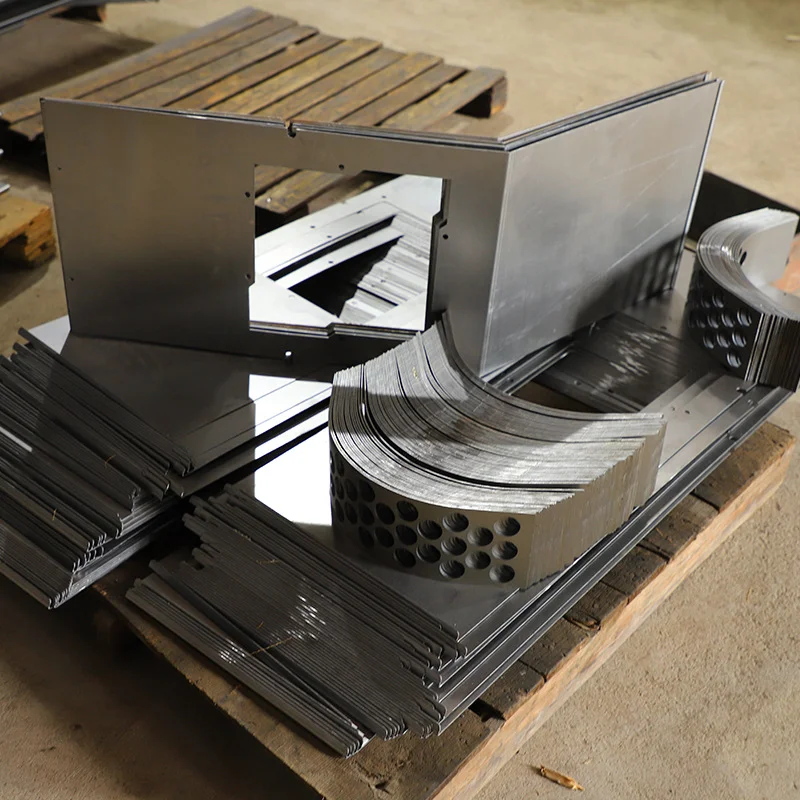
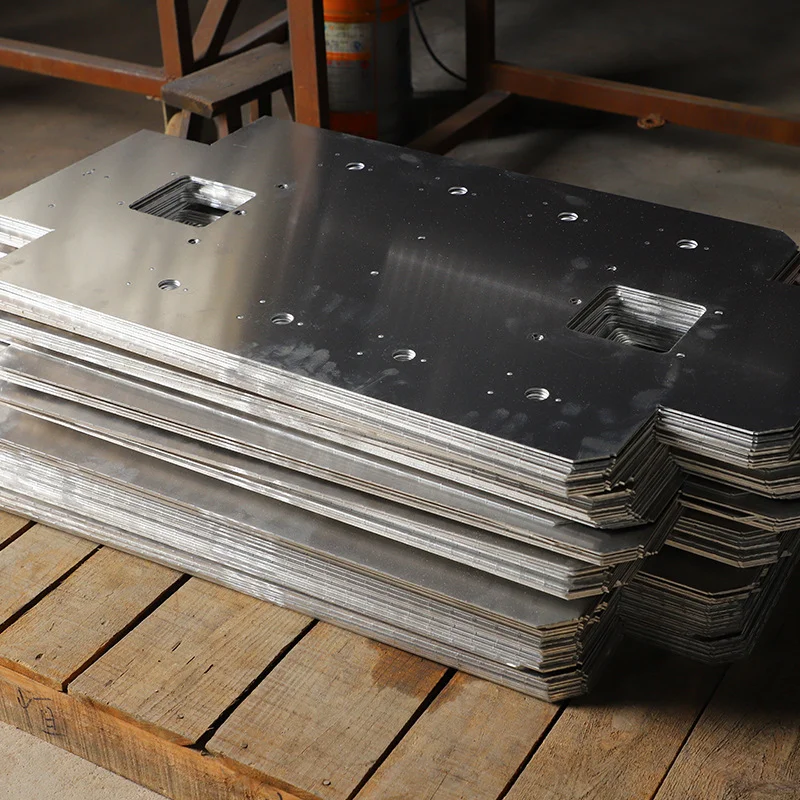
For industrial materials like steel plate, structural profiles, hardware, or machinery components, certificates can be part of the payment condition. A mill test certificate, material certificate, dimensional report, or third-party inspection report may be required before balance. These documents should be requested early because they may not be easy to produce after shipment.
Payment fraud often happens through email compromise. A buyer receives an email that looks like it came from the supplier, saying the bank account has changed. The buyer sends money to the new account, and the real supplier never receives it. The best protection is a strict account verification process. Do not verify new bank details by replying to the same email thread. Use a phone number, video call, or messaging contact that was already verified before the change.
Buyers should also avoid paying personal accounts for business orders unless there is a documented reason and management approval. A legitimate supplier should be able to provide a company account or a clear trading company arrangement. If the beneficiary name is different from the supplier name, ask why and write the explanation into the order record.
For large payments, send a small test transfer only if your finance process allows it, or confirm through the bank before sending the full amount. Keep payment slips, SWIFT references, proforma invoices, purchase orders, and supplier confirmation emails in one folder. Payment records are part of the order file.
A complete RFQ confirms not just the product spec but the commercial terms:
For industrial materials like custom steel plate and structural profiles, where order values are high, the payment terms are negotiated as part of the supply contract, and the document package (mill test certificate, packing list, bill of lading) is part of the balance payment condition.
T/T is faster, simpler, and more common for ordinary custom manufacturing. It works when the buyer and supplier can agree on a deposit, sample approval, inspection, and balance process. Bank transfer fees are usually manageable, and both sides can operate without heavy banking documentation. Most private label, promotional, apparel, packaging, and consumer goods orders use T/T.
L/C is stronger for large-value or long-term industrial orders where both sides want bank-backed structure. It is useful when order value is high, shipment documents are clear, and both buyer and supplier understand the cost and administrative work. L/C can reduce payment risk, but it does not automatically guarantee product quality. It guarantees payment against compliant documents. If quality requirements are not written into the L/C or supporting contract, the bank may still pay based on documents.
The main disadvantage of L/C is complexity. Every required document must match the L/C terms exactly. Small discrepancies in names, dates, product descriptions, quantities, shipping marks, or document wording can delay payment. Suppliers may charge more for L/C because it increases bank fees and administrative work. Buyers should use L/C when the order value justifies the process.
For a first-time buyer placing a moderate custom order, T/T with deposit, sample approval, inspection, and balance before shipment is usually more practical. For a high-value industrial buyer ordering steel, machinery, or large raw material shipments, L/C or staged milestone payments may be more appropriate.
Samples are usually paid separately and in advance: a sample fee plus shipping cost, refundable or deductible after a bulk order, depending on the agreement. Confirm the sample fee policy before ordering samples.
Sample payment should be treated separately from bulk payment. A sample fee may cover material, labor, setup, mold preparation, printing setup, or courier cost. Some suppliers deduct the sample fee from a future bulk order, but this is not automatic. The buyer should ask whether the sample fee is refundable, deductible, or non-refundable.
For custom samples, full advance payment is normal because the value is small and the supplier starts custom work immediately. However, sample approval should not automatically mean bulk production approval. The buyer should approve the physical sample and then issue the bulk purchase order or deposit separately.
If several sample versions are needed, confirm whether each version has a separate fee. For example, a buyer may ask for two materials, two logo methods, or two packaging options. Those choices help decision-making but can add sample cost. The sample plan should be clear so the buyer does not confuse sample exploration with production approval.
Large or complex projects can use staged payments instead of a simple 30/70 split. Staged payments are useful when production takes a long time or has expensive checkpoints. For example:
| Milestone | Possible payment | Buyer protection |
|---|---|---|
| Order confirmation | Deposit | Supplier starts material and production preparation |
| Material ready | Second payment for large material purchase | Buyer receives material photos or certificate |
| Pre-production sample approved | Production milestone | Confirms spec before bulk run |
| Production complete | Balance pending inspection | Buyer can inspect before final payment |
| Shipment documents ready | Final balance or document release | Confirms shipment status |
Not every order needs this level of detail. For small orders, staged payments can create more administration than value. For high-value or long-cycle projects, milestones reduce uncertainty and make the schedule easier to manage.
The payment terms should state what happens if the pre-shipment inspection fails. Without this agreement, the buyer and supplier may disagree at the worst possible time.
Common solutions include rework, sorting, replacement, discount, partial shipment, or reinspection. Rework is suitable when defects can be corrected, such as loose threads, packing errors, label mistakes, or some assembly issues. Replacement is needed when defects affect product function or cannot be repaired. Discount may be acceptable for minor cosmetic issues if the buyer can still sell the goods. Reinspection may be needed after rework.
The buyer should avoid paying the full balance until the correction plan is agreed. At the same time, the buyer should be practical. If defects are minor and within the agreed tolerance, delaying payment may damage the relationship and shipping schedule. This is why the acceptance standard must be agreed before production.
For urgent orders, inspection failure creates schedule pressure. A buyer may choose partial shipment of acceptable goods and rework for the balance. This should be documented clearly so payment and shipment match the actual goods released.
A clear payment clause does not need to be complicated. A buyer can include language like this in the purchase order or commercial confirmation:
Payment terms: 30% T/T deposit after PI confirmation. 70% balance after production completion and pre-shipment inspection approval, before shipment release. Supplier must provide commercial invoice, packing list, product photos, and inspection report before balance payment. Bank account changes must be verified by phone or video before payment.
For a sea shipment where documents are part of the trigger, the clause may say:
Balance payment against copy of bill of lading and agreed shipping documents, subject to passed inspection and matching packing list.
For a sample order, the clause may be simpler:
Sample fee and courier cost paid in advance. Sample fee deductible from bulk order only if stated in the final proforma invoice.
The exact wording should match the buyer's internal policy and legal review, but the structure should always define deposit, balance trigger, documents, currency, fees, and account verification.
When contacting us, include:
Best for buyers reviewing payment terms guide, related SKU images, RFQ details, MOQ, sampling, packaging, QC, and shipment planning from China.
A 30% deposit to start production and 70% balance before shipment or against shipping documents is the most common structure. Large orders may use L/C instead of T/T.
Yes, with the standard structure: a reasonable deposit plus a documented balance trigger, verified bank details, and written commercial terms. The risk is not the deposit; it is paying 100% in advance or sending money to an unverified account.
An L/C is a bank-issued guarantee that the supplier is paid when they present the required shipping documents. It suits large orders where both sides want bank-level security, and it costs money and requires precise documents.
Send your artwork, target quantity, packing needs, destination country, and deadline to quote China supplier payment terms with clear factory assumptions.
Data verified as of 2026-08-04. MOQ, lead time, packaging, and compliance scope should be confirmed against the actual order before purchase order approval.
Decision closure
Use the next step that matches your buying stage.
Go to product category hubs to compare product families before choosing a sourcing route.
Go to custom products for startups under 500 units to check low-MOQ order logic before asking for bulk pricing.
Go to the custom product brief form to send artwork, quantity, packaging, and destination details for review.