If you are trying to avoid marketplace listing noise
Go to factory-direct custom products without marketplace sourcing to build a normalized RFQ before comparing supplier quotes.
Custom keychains are a cheap, high-volume promotional product - and that is exactly why the mistakes are expensive: buyers order a small cheap item in large quantity and discover too late that the logo is illegible, the metal hooks are weak, the colors are wrong, or the packaging was never specified. The seven mistakes below are the repeat offenders. Most are fixed with one RFQ line: send vector artwork at final size, confirm the hardware, name the colors, and state the packaging.
Keychains are small, so the logo must be crisp at a small size. A web-sized JPEG becomes a blurry logo on a keychain. Send vector artwork (AI, PDF, EPS) at the final print or engrave size, and simplify the design - small text and fine lines do not survive production.
The artwork problem is worse on keychains than on larger products because the decoration area is tiny. A logo that looks readable on a tote bag, T-shirt, or website header may become unreadable at 20 mm wide. Buyers should not judge the design only on a large screen. Print the logo at actual size on paper before sending the RFQ. If the text is hard to read on paper, it will not improve in metal, leather, acrylic, rubber, or PVC.
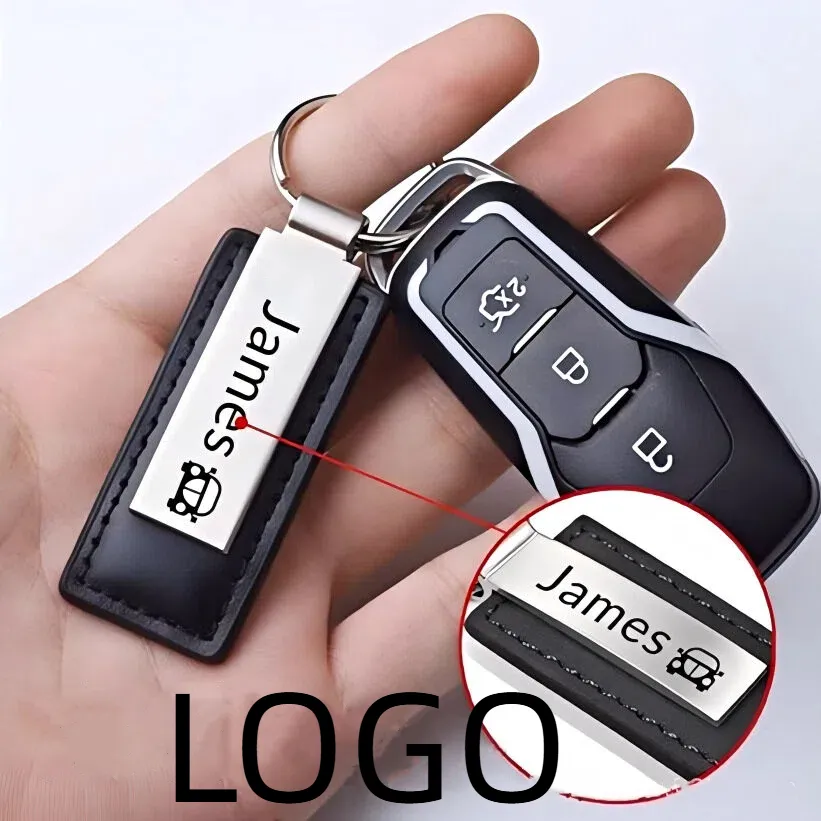
Vector artwork matters because the supplier can scale it without losing clarity. If the buyer only has a PNG or JPG, the supplier may need to redraw it, which adds time and may change the logo. For detailed logos, send both the original artwork and a simplified version. The simplified version may work better on small keychains and reduce sampling revisions.
For engraved keychains, line thickness matters. Very thin lines may engrave too lightly, while filled areas may look heavy. For printed keychains, small color separations and gradients may not reproduce cleanly. For PVC or rubber keychains, the mold may require minimum line width and raised-area thickness. Ask the supplier for artwork limits before approving the proof.
The chain, ring, clip, and connector are half the product. Cheap split rings bend, weak clips snap, and plated hardware tarnishes. Confirm the hardware material and finish in the RFQ, and pull-test the sample.
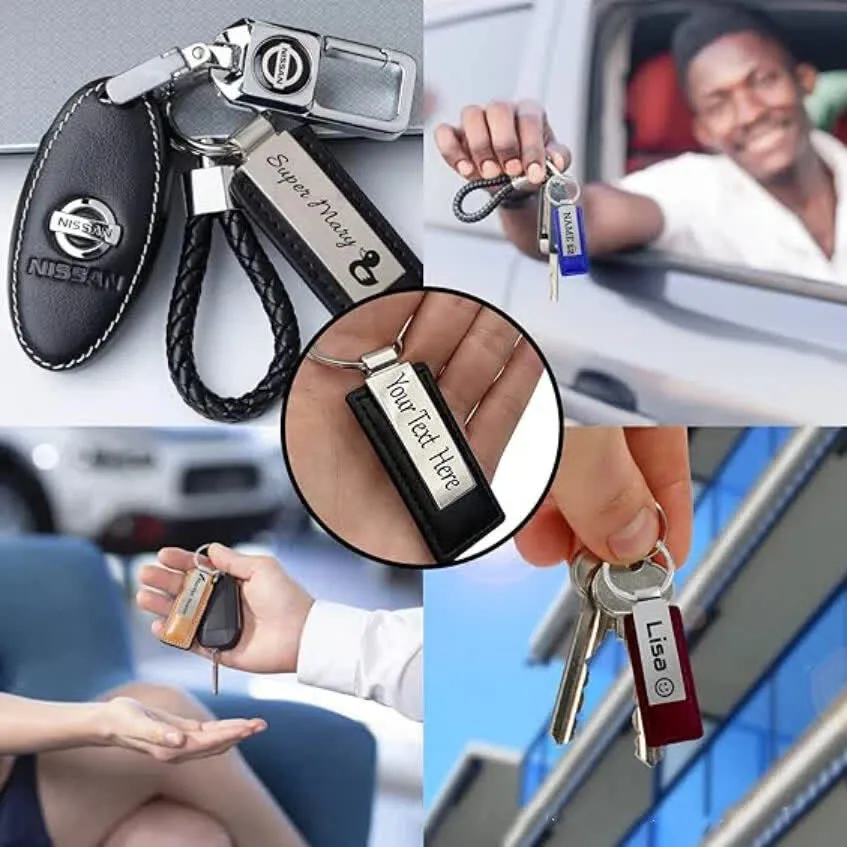
Hardware is often where low quotes hide cost cuts. A keychain body may look correct, but the ring can be thin, the connector can open, or the plating can scratch quickly. Since the product is used by pulling keys, bags, tags, or accessories, the hardware must be treated as a functional component.
Common hardware options include split rings, lobster clasps, swivel hooks, ball chains, jump rings, key hooks, and carabiner clips. Each option changes cost, appearance, and durability. A retail keychain may need a heavier polished ring. A promotional giveaway may accept a lighter ring if the budget is tight. A bag charm or hotel key tag may need a specific connector length.
Finish should also be specified. Silver, gold, black nickel, antique brass, rose gold, and matte finishes are not interchangeable. Plating quality affects both appearance and wear. If the keychain will be sold as merchandise, check the plating on the sample after handling and light rubbing.
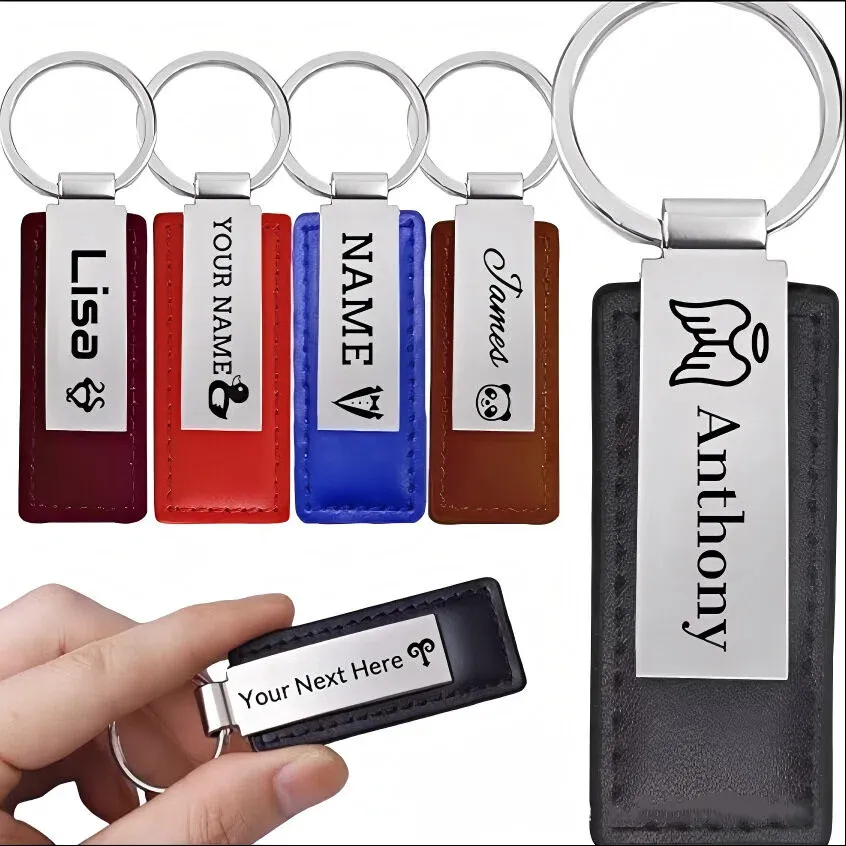
"Brand colors" mean nothing to a factory. Provide Pantone references for the body color and the printed colors, and check the physical sample against them under daylight. Color mismatch is the most common visual complaint.
Color matching depends on material. A Pantone color printed on PU leather may look different from the same color printed on acrylic or enamel. Metal plating, rubber, PVC, leather, and printed ink all reflect light differently. This is why a physical sample matters. The supplier can aim for a Pantone reference, but the buyer must judge the result on the actual material.
If exact brand color is critical, ask the supplier whether the color will be printed, molded, dyed, coated, or filled. These are different processes. A body color made from stock PU leather may not match a custom Pantone exactly. A custom molded PVC color may require a higher MOQ. A laser-engraved logo may show the base material color rather than a printed color.
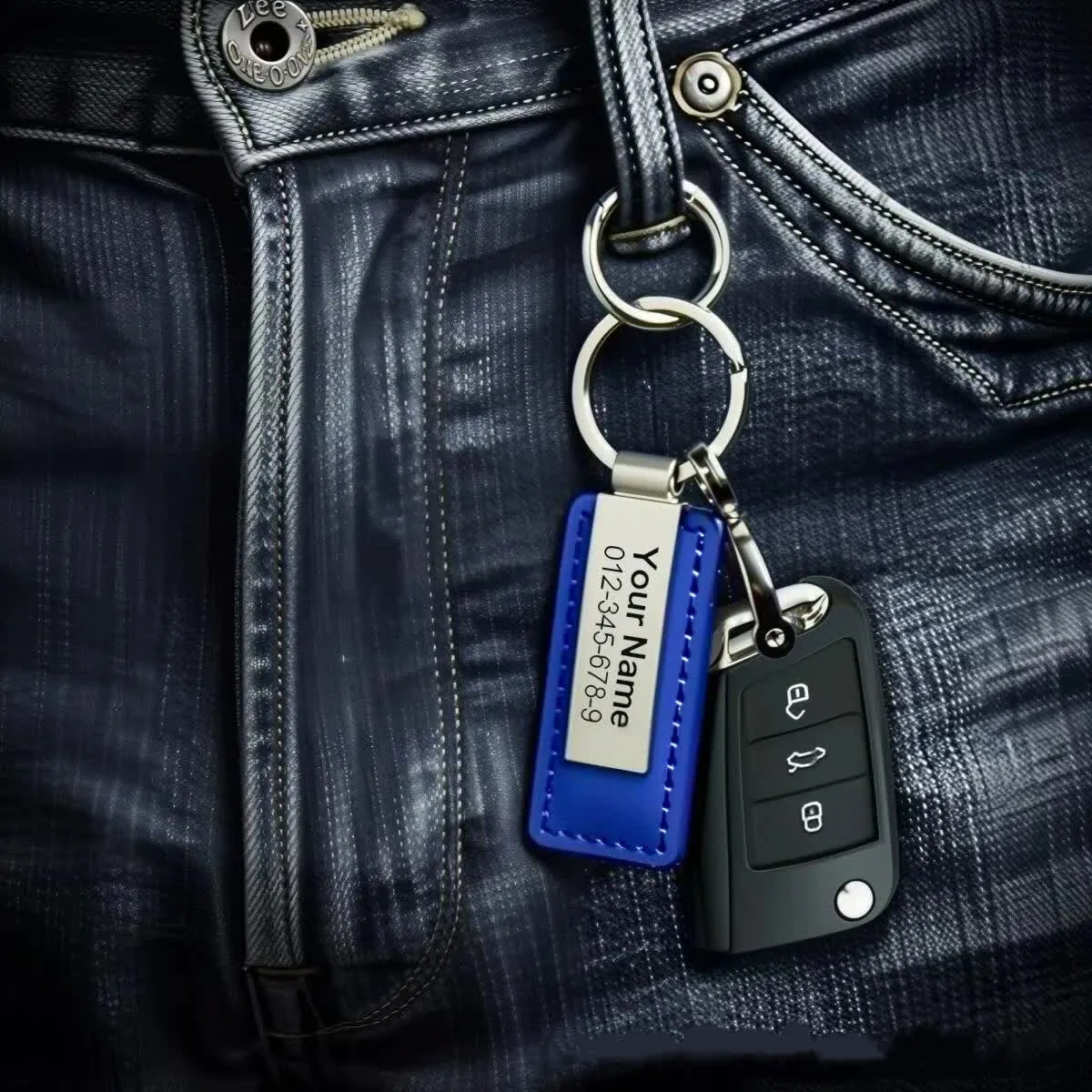
For multiple color versions, control the split clearly. A 2,000-piece order split into navy, white, black, and red may need separate material and QC handling. If the buyer adds colors late, the MOQ, sample time, and lead time may change.
A rendering or photo cannot show the real finish: engraving depth, print quality, hardware feel, or edge smoothness. For a first order, approve a physical sample - the cost is small and the batch is at risk without it.
The sample should be checked as a complete product, not only as a decorative body. Attach keys or pull the ring lightly. Check whether the connector opens, whether the surface scratches easily, and whether the logo remains readable in normal use. A sample photo from the supplier is useful, but it does not show weight, feel, edge smoothness, or hardware strength.
If the order uses retail packaging, approve the packaging sample too. A keychain in a loose poly bag is not the same product as a keychain on a header card or in a gift box. Retail packaging changes presentation, cost, packing labor, carton volume, and barcode requirements.
For repeat orders, a new physical sample may not be necessary if the design, material, hardware, supplier, and packaging are unchanged. For any new design, new material, new plating, new print method, or new packaging, sampling is worth the time.
Keychains ship loose, in poly bags, or in display boxes - three different products at three different costs. A retail line needs boxed or header-card presentation; a giveaway can ship bulk. Specify packaging before quoting, not after.
Packaging should match the sales channel. A giveaway keychain may only need bulk packing by carton. An event product may need individual poly bags for quick distribution. A retail keychain may need a header card, barcode label, backing card, display box, or hang hole. A gift keychain may need a velvet pouch, paper box, or insert card.
Packaging also affects quality control. If keychains are packed loose, metal parts can scratch each other. If the product has a glossy acrylic surface, enamel fill, or polished plating, individual protection may be needed. If the product is sold online, the packaging should survive parcel handling and protect the keychain from scratches.
Late packaging changes create cost surprises. Header cards and boxes require artwork approval, printing time, and sometimes their own MOQ. If the buyer asks for retail packaging after approving a bulk quote, the supplier must recalculate the order.
Keychain quotes swing with quantity. A 500-piece price can be double the per-unit price at 5,000. Compare quotes at the same quantity, and order at a quantity that matches the forecast instead of chasing a low per-unit price that forces dead stock.
MOQ is driven by setup. Custom molds, print screens, engraving setup, enamel fill, packaging printing, and hardware sourcing all take time before the first finished keychain is produced. The more pieces the buyer orders, the more the setup cost spreads across units. This is why a small order can look expensive even though the product is small.
Buyers should request price breaks. A quote for 500, 1,000, 2,500, 5,000, and 10,000 pieces shows the cost curve. Sometimes the best commercial decision is not the absolute lowest MOQ, but the quantity where the unit price becomes reasonable without creating too much inventory.
Version split matters. A 5,000-piece order with one design is different from 5,000 pieces split across 20 designs. Each design may require separate setup, proofing, packing, and inspection. If the buyer wants many designs, ask whether there is a minimum per design.
Keychains are often ordered for an event, a fundraising run, or a season. Without a stated delivery date, production and freight schedule around the factory's convenience, not the event. Put the target arrival date in the RFQ.
Keychains are small, but they still need artwork approval, sample production, bulk production, packing, freight, customs, and inland delivery. If the order is for a conference, school fundraiser, tourism season, product launch, or holiday campaign, the supplier needs the arrival date before quoting. Otherwise the buyer may receive a price that assumes a normal schedule while the real deadline requires air freight or rush production.
For event orders, work backward. Decide the date goods must arrive at the event location, then add receiving time, customs time, international transit, packing, production, sampling, and artwork approval. If the date is too close, reduce complexity: use stock shapes, simple printing, standard hardware, and express shipping.
The right material depends on use case, budget, artwork, and perceived value. Custom keychains wholesale buyers often start with the cheapest option, but the best product may be the one that matches the campaign or retail positioning.
| Material / type | Best use | Watch points |
|---|---|---|
| PU leather | Corporate gifts, hotel tags, premium giveaways | Edge finish, engraving depth, stitching, hardware |
| Metal | Retail souvenirs, durable brand merchandise | Plating, weight, sharp edges, enamel fill |
| Acrylic | Full-color designs, characters, event merch | Surface scratches, print protection, edge smoothness |
| PVC / rubber | Youth brands, sports teams, outdoor themes | Mold detail, color fill, flexibility, odor |
| Wood | Eco-themed gifts, boutique retail | Grain variation, engraving contrast, moisture |
| Fabric / woven | Soft charms, luggage tags, apparel add-ons | Fraying, label clarity, attachment strength |
PU leather keychains are popular because they feel more premium than simple plastic while staying cost-effective. They work well with laser engraving, embossing, debossing, stitching, or metal plates. The buyer should check edge paint, stitching, surface feel, and whether the leather substitute has a strong smell.
Metal keychains can feel durable and valuable, especially with enamel fill, antique finish, or engraved logo. They are heavier and may cost more to ship than lightweight materials, but they are strong for retail and souvenir programs. Check plating quality and sharp edges on the sample.
Acrylic keychains are strong for full-color artwork, anime-style designs, tourism graphics, and event merchandise. The main risks are scratches, print protection, and edge quality. Ask whether the print is protected by clear acrylic, back printing, or coating.
PVC and rubber keychains are useful for colorful custom shapes. They can reproduce bold logos and characters with a flexible feel. The buyer should check mold lines, color fill, smell, thickness, and whether small details remain clear.
The custom PU leather keychain pendant page shows current specifications for a common keychain product.
Keychain artwork must be designed at finished size. A buyer should not approve a logo at 200 mm wide if the final keychain decoration area is 25 mm wide. Before production, shrink the logo to actual size and check readability. If the logo contains a slogan, URL, QR code, fine outline, or small icon, simplify it.
For engraved PU leather or metal, bold logos work best. Thin strokes may look weak, while very detailed artwork may become muddy. For printed acrylic, full-color artwork is possible, but the buyer should check whether the design is single-sided, double-sided, front-printed, back-printed, or sealed. For PVC, artwork should use clear color blocks and minimum line thickness.
If the keychain uses a custom shape, the cut line should be shown separately from the printed artwork. Add a safe margin so important details do not sit too close to the edge or hole. The hole position should be marked clearly because it affects how the keychain hangs.
Hardware should be specified as carefully as the body material. Include:
For retail products, choose hardware that feels consistent with the keychain body. A premium leather keychain with a thin weak ring feels mismatched. A lightweight acrylic keychain does not need overly heavy hardware if it makes the product awkward. The sample should confirm balance and usability.
If the keychain will attach to bags, luggage, hotel keys, car keys, or event badges, tell the supplier. The use case helps determine ring size, connector length, and hardware strength.
Keychain orders often include several logo colors, body colors, or design versions. Treat each version as a separate SKU in the RFQ. Provide a table showing design name, artwork file, material color, print color, hardware finish, quantity, and packaging. This prevents the supplier from mixing versions during production or packing.
For retail orders, version control also affects barcode labels and carton marks. If navy, black, and white keychains share the same design but different SKUs, each carton should be labeled by color and item number. Mixed cartons can work for event kits, but they should be planned, not accidental.
MOQ for custom keychains depends on material, size, and print method - confirm the exact minimum in the RFQ. Sampling is recommended for the first order: check size, color, hardware, and print before bulk. Lead time includes artwork, sampling, production, and freight; event deadlines should be in the RFQ.
Custom shapes, molded PVC, enamel metal, custom packaging, and multiple design versions usually raise MOQ. Standard shapes, stock materials, one logo position, and bulk packing help keep MOQ lower. If the buyer needs a small test order, choose a standard body and simple decoration first.
Sampling should confirm the full specification. Check body size, shape, color, logo position, print or engraving quality, hardware finish, edge quality, weight, and packaging. If the keychain is retail-facing, approve the header card or box as part of the sample. If the sample uses substitute hardware or temporary packaging, mark that clearly before bulk production.
Lead time should include proofing, sample production, sample shipping, approval, bulk production, inspection, packing, and freight. Small keychains can ship quickly, but artwork revisions and packaging approval can still delay the order.
For bulk inspection, compare production pieces to the approved sample. Pull samples from different cartons and check hardware as well as decoration. Keychains are small, so inspectors may be tempted to check only appearance. Hardware, edge finish, and packing count should be inspected too.
If the product uses metal plating or enamel, inspect for bubbles, scratches, uneven fill, and sharp edges. If it uses PU leather, inspect stitching, edge paint, surface marks, and engraving clarity. If it uses acrylic, inspect print protection and scratches. If it uses PVC, inspect color fill, mold shape, flexibility, and odor.
| Packaging | Best use | Buying note |
|---|---|---|
| Bulk pack | Low-cost giveaways | Cheapest, but products may rub together |
| Individual poly bag | Events and basic retail | Protects each unit and helps distribution |
| Header card | Retail hooks, gift shops, fundraising | Needs artwork, barcode, and hang-hole planning |
| Gift box | Premium gifts and corporate programs | Higher cost and carton volume |
| Velvet pouch | Premium metal or leather keychains | Better presentation but extra packing labor |
Packaging should be quoted from the start. It affects MOQ, unit cost, packing time, carton volume, and retail readiness. If the product will be sold through a marketplace or retailer, barcode labels and SKU stickers may be required. If the product will be handed out at an event, individual poly bags may make distribution easier.
Keychains are small and dense compared with many promotional products. Samples and small orders usually ship by express. Larger orders can ship by air or sea depending on deadline and quantity. Metal keychains are heavier than acrylic, PU leather, or PVC, so freight cost can change by material.
Bulk packing reduces volume but may increase scratching if the finish is delicate. Individual packaging protects the item but adds carton space. For retail boxes, confirm carton dimensions before comparing freight. A keychain itself may be tiny, but gift boxes can increase volume quickly.
For event deadlines, express or air freight may be justified. For regular inventory, sea freight or consolidated shipment is usually more economical. Include the target arrival date in the RFQ so the supplier can recommend the right route.
Before approving a quote, ask:
These questions expose the hidden differences between quotes. They also reduce the chance of discovering missing hardware, packaging, or artwork limits after the price is approved.
Best for buyers reviewing common mistakes guide, related SKU images, RFQ details, MOQ, sampling, packaging, QC, and shipment planning from China.
MOQ depends on material, size, and print method. Simple styles allow lower minimums; custom shapes and premium finishes raise them. Confirm the exact MOQ in the RFQ.
Only if simplified. Small text and fine lines do not survive production on a keychain; simplify the design or enlarge the keychain.
It depends on the material: laser engraving on leather and metal is durable and premium; UV printing suits flat surfaces with color; screen printing works on simple shapes at volume.
Send your artwork, target quantity, packing needs, destination country, and deadline to quote custom keychains wholesale with clear factory assumptions.
Data verified as of 2026-08-04. MOQ, lead time, packaging, and compliance scope should be confirmed against the actual order before purchase order approval.
Decision closure
Use the next step that matches your buying stage.
Go to factory-direct custom products without marketplace sourcing to build a normalized RFQ before comparing supplier quotes.
Go to direct factory communication for custom product orders to turn supplier messages into a controlled production record.
Go to the custom product brief form to send artwork, quantity, packaging, and destination details for review.