If you are trying to avoid marketplace listing noise
Go to factory-direct custom products without marketplace sourcing to build a normalized RFQ before comparing supplier quotes.
Start with a clear product brief, not only a price request. A reliable China custom product order should confirm artwork, material, quantity, logo method, packaging, sample approval, QC, and shipping assumptions before purchase order approval.
Ordering custom products from China is easiest when the buyer treats the first message as a production brief. The factory needs to know what is being made, how it will be branded, how many units are needed, where the goods are going, and what must be approved before bulk production starts.
A useful RFQ includes product type, target quantity, logo file, Pantone references, size, material preference, packaging request, destination country, and target delivery date. If the buyer only asks for a unit price, the supplier may quote a basic product without labels, private packaging, inspection, or realistic freight assumptions.
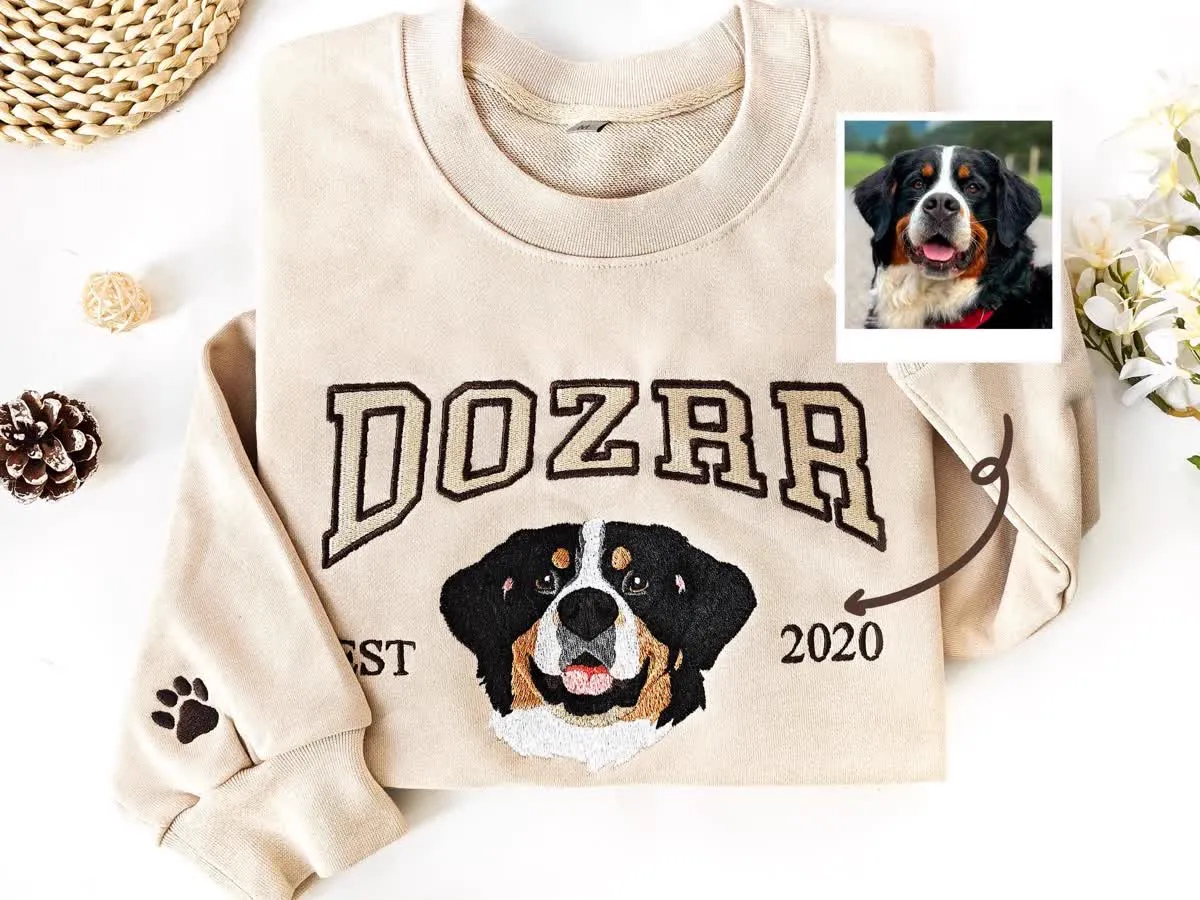
For buyers still comparing categories, the low MOQ custom products collection is a better starting point than a single product page because it shows which product types can work for small-batch testing.
A cheaper quote is not always a better quote. Compare material, size, logo method, packing method, sample policy, QC scope, and shipping term. A factory-direct quote should make these assumptions visible before the buyer approves sampling.
When the order is for a campaign or exhibition, the trade show giveaways collection helps buyers connect product choice with event timing, logo visibility, and packed unit requirements.
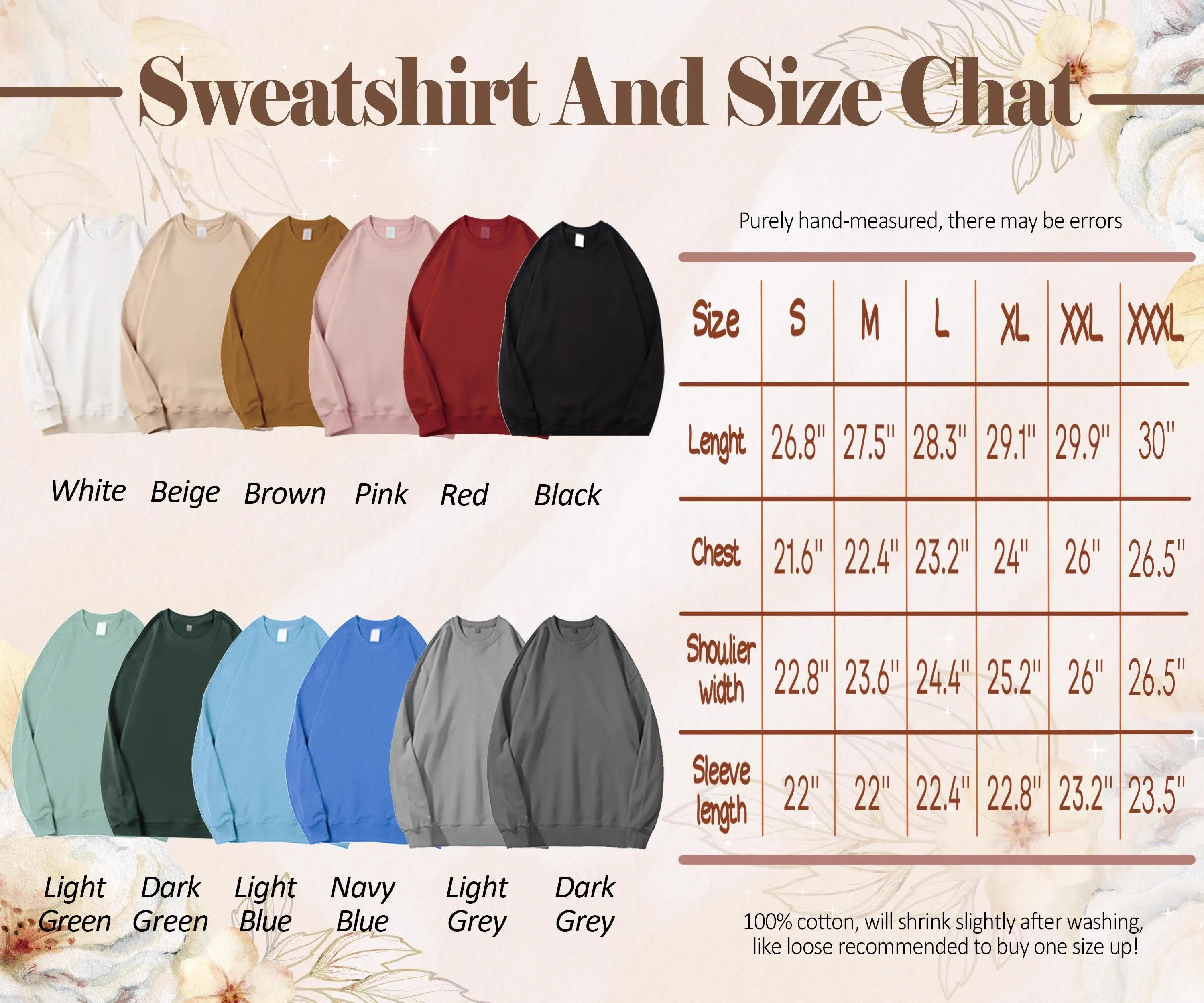
The approved sample should lock colour, size, finish, logo position, label placement, packaging, and carton details. If the buyer approves only a mockup, the bulk order can drift away from the expected retail or promotional presentation.
For branded resale or online shop programs, use the private label ready collection to identify products where labels, hang tags, barcodes, and packing should be discussed before price comparison.
Before comparing factories, buyers should make sure every supplier is quoting the same product version. A useful RFQ states the material, size, logo method, colour count, packing method, carton requirement, destination country, and target delivery date. Without those details, a low quote can simply mean the supplier excluded packaging, inspection, labels, freight assumptions, or sample revision work.
For repeat orders, keep a record of the approved sample, production photos, packing photos, barcode files, carton marks, and inspection checklist. This turns the first custom order into a reusable production standard instead of a one-time negotiation.
Best for buyers preparing a first custom product RFQ from China; covers artwork, MOQ, sample, packaging, QC, and supplier comparison.
Send artwork, quantity, material preference, product reference, logo method, packaging needs, destination country, and delivery deadline.
Ask for an estimated quote, but final price should be confirmed after material, artwork, packaging, and sample approval assumptions are clear.
Yes, but small orders should control SKU complexity, packaging, and logo method so MOQ and unit cost remain realistic.
Send your custom product brief for a factory-ready quote review.
Data verified as of 2026-06-12. MOQ, lead time, packaging, and compliance scope should be confirmed against the actual order before purchase order approval.
Decision closure
Use the next step that matches your buying stage.
Go to factory-direct custom products without marketplace sourcing to build a normalized RFQ before comparing supplier quotes.
Go to direct factory communication for custom product orders to turn supplier messages into a controlled production record.
Go to the custom product brief form to send artwork, quantity, packaging, and destination details for review.