If you are planning a small custom logo run
Go to small batch custom logo products from China to choose practical logo, packaging, and MOQ routes.
The price of a custom tumbler is built from five blocks: material, insulation construction, coating and finish, printing, and packing. Two quotes for the "same" tumbler can differ by 30-50% because one includes vacuum insulation and powder coating while the other is a single-wall painted blank, or because one quotes a gift box and the other ships bulk. A useful price comparison compares the same configuration - grade of stainless steel, double-wall vacuum or single wall, coating type, print method, and packing - not just the unit price.
| Cost block | Variables | Price impact |
|---|---|---|
| Material | 304 vs 316 stainless steel, body thickness | Medium |
| Insulation construction | Single wall vs double-wall vacuum | High - usually the largest cost difference |
| Coating and surface | Powder coating, matte finish, brushed finish, color | Medium |
| Printing | Laser engraving, screen printing, full-wrap transfer | Medium |
| Packaging | Bulk pack, white box, gift box | Low to medium |
| Other details | Lid type, MOQ, artwork handling, inspection | Medium |
The custom 20oz stainless steel skinny tumbler page shows current specifications for a typical insulated tumbler configuration.
Tumbler quotes often look comparable because the headline product is the same size and shape. In reality, one quote may include a food-contact liner, thicker steel, vacuum insulation, powder coating, a better lid, laser engraving, and a printed gift box, while another quote may be for a lighter body, simpler lid, plain surface, and bulk carton packing. That is why tumbler buyers must compare the full configuration, not only the headline price.
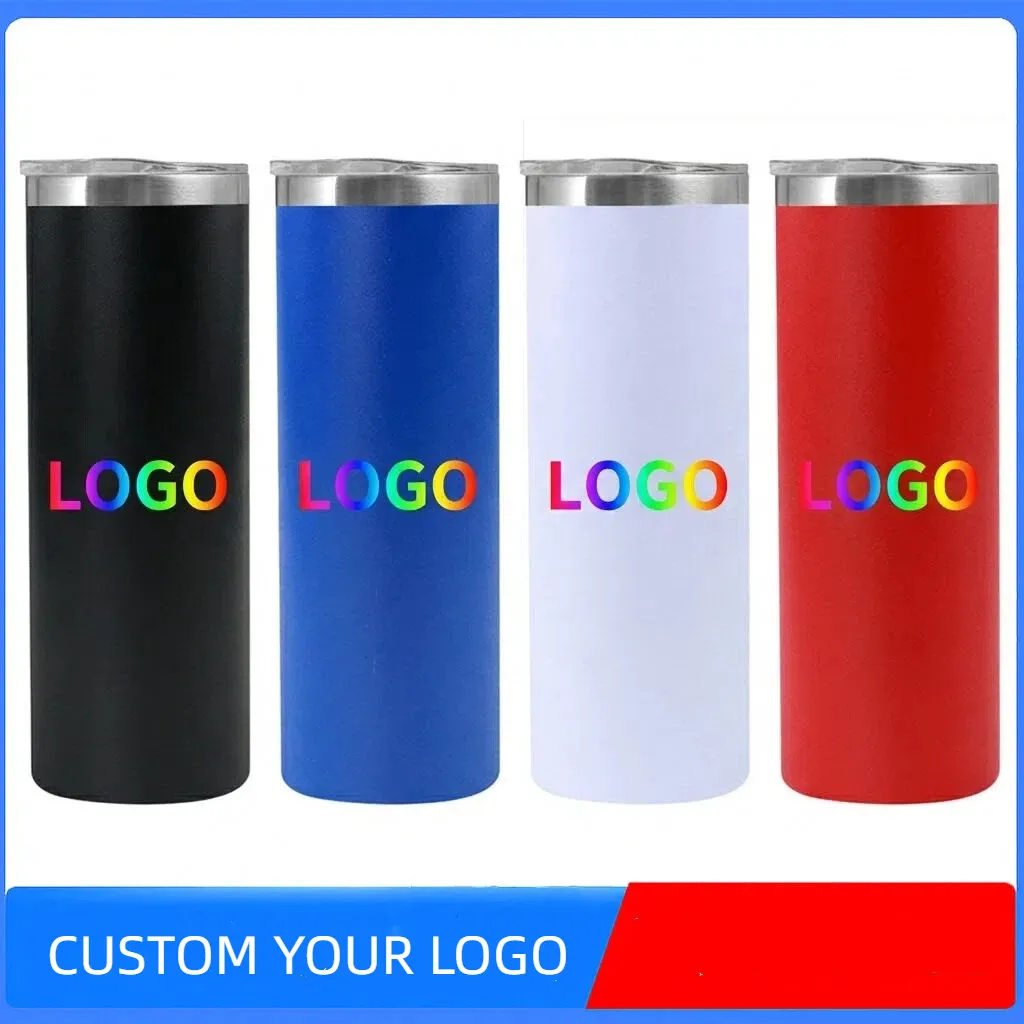
This matters because tumblers are often sold as perceived-value products. Small changes in coating, print method, or lid quality can change how the product feels in the hand and how the customer judges it online. A cheap-looking lid or a weak coating can reduce the selling price even if the tumbler functions correctly. On the other hand, a slightly higher factory cost may be worth it if the item becomes a better retail product.
The safest buying process is to define the commercial purpose first. Is the tumbler a giveaway, a corporate gift, a retail product, a sports team item, or a premium resale SKU? The answer changes the ideal spec. A giveaway may only need a standard vacuum tumbler with simple branding. A premium retail product may need better coating, stricter color consistency, and custom packaging. A corporate gift may need box presentation more than a lower factory price.
Stainless steel grade is one of the first cost drivers, but not every buyer needs the highest grade. 304 stainless steel is the common food-contact standard for drinkware. It is usually the default choice for custom tumblers because it offers a good balance of cost, corrosion resistance, and availability. 316 stainless steel costs more and is usually reserved for more demanding or specialized uses.
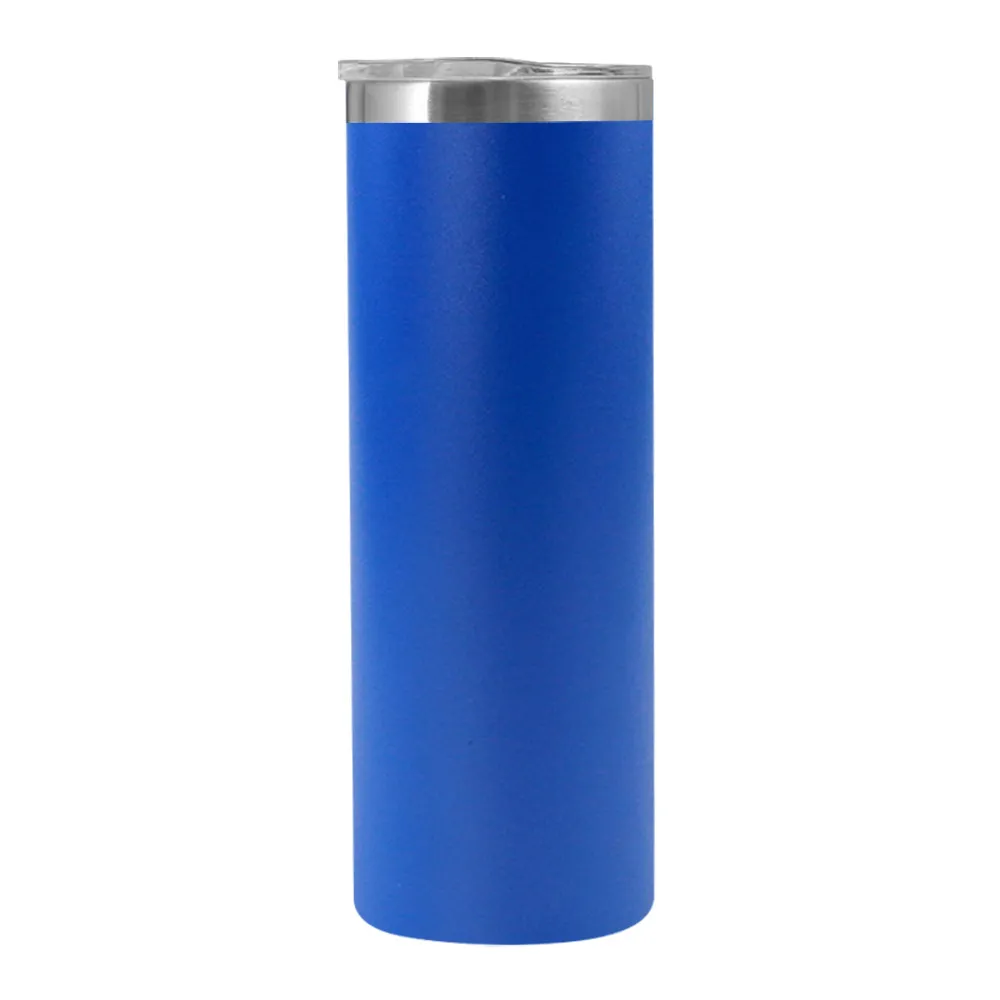
The buyer should not assume that a more expensive steel grade automatically means a better commercial outcome. The important question is whether the product actually needs the additional grade. For most branded tumblers, 304 is sufficient. If the supplier quotes 316, ask why it is needed and whether it changes the final customer value. If the application does not require it, the extra cost may not be justified.
Body thickness also affects price and quality. A thicker body usually resists dents better and feels more substantial, but it uses more material. A thinner body is cheaper and lighter, but it may feel less premium and be easier to dent during handling or shipping. The buyer should ask for thickness in the RFQ because a small difference can affect both cost and the customer's hand feel.
For non-stainless options, such as plastic, acrylic, or coated aluminum drinkware, the same logic applies: material and wall construction matter more than the headline shape. If the buyer is comparing suppliers, the quote should clearly show the material composition and wall structure before any price comparison is made.
The biggest cost gap in custom tumblers usually comes from construction. A single-wall tumbler is a basic container. It may be lighter and cheaper, but it does not provide the same temperature retention. A double-wall vacuum tumbler has an air gap or vacuum layer that improves insulation. This construction takes more manufacturing steps and usually costs more.
For marketing, the difference is not just technical. A single-wall product is not equivalent to a vacuum-insulated tumbler, even if the outside diameter and lid look similar. The buyer must align the marketing claim with the construction. If the product promise is "keeps drinks cold longer," the quote should clearly be for a vacuum-insulated product. If the product is for casual use without insulation claims, a simpler construction may be acceptable.
The inner and outer wall structure also affects weight, durability, and appearance. A vacuum tumbler may feel more solid and premium, while a single-wall tumbler may be easier to ship but less premium in the hand. For large branded campaigns, the buyer should choose construction based on use case and price target, not only on the appearance of the sample photo.
Vacuum sealing quality is important. If the seal is poor, insulation performance can fail. That is why sample testing matters. A tumbler can look correct and still underperform if the vacuum layer is not stable. Buyers should confirm whether the supplier can provide a simple insulation result or a temperature-retention claim supported by sample testing.
The finish can change the tumbler's price and appearance more than first-time buyers expect. Powder coating usually adds a more durable, grippy surface and comes in many colors. It can be a strong choice for retail tumblers or branded merchandise, but it may chip if the coating quality is poor or if the tumbler is handled roughly. Matte finishes often feel modern and premium. Glossy finishes can be brighter but may show fingerprints or surface marks more easily.
Brushed stainless, polished stainless, and bare metal finishes usually cost less than specialty coatings, but they create a different brand impression. Bare metal may look clean and industrial, while coated finishes can better match brand colors. If the buyer wants a precise brand color, coating often becomes part of the quote because the body color is not only decorative; it is the base visual identity of the product.
Color consistency matters across batches. A black powder-coated tumbler in one production run may look slightly different from the next if the coating supplier or batch changes. For retail products, the buyer should ask how the supplier controls coating shade and whether a physical sample or color reference is kept for reorders.
The lid is a cost item and a quality item. A simple plastic lid costs less than a more complex drinking lid with sliding cover, sealing gasket, straw opening, or twist mechanism. The lid also affects leakage risk, user convenience, and packaging. Buyers should not ignore the lid because it can become the most obvious functional failure point after delivery.
Ask whether the lid is spill-resistant, leak-resistant, or fully leakproof. These are not the same claim. A spill-resistant lid may reduce minor splashing but still leak if tipped over. A fully leakproof lid should be tested more carefully, especially if the tumbler is sold for bags, commuting, or gifting. A lid with a silicone seal may cost more but can improve the product experience.
If the tumbler includes extras such as a straw, cleaning brush, extra lid, silicone base, carry handle, or gift sleeve, each extra changes the quote. These items may look minor on paper but can change both packaging and freight. If the buyer wants a complete retail set, the RFQ should list every included accessory.
Decoration is where many tumblers look the same in photos but differ in actual cost. Laser engraving is often the most economical for simple logos on stainless steel, and it is durable because it removes the coating or surface layer rather than sitting on top of it. Screen printing works well on coated tumblers with simple color logos, especially at volume. Full-wrap digital transfer supports multi-color and photographic designs but usually costs more and may require more careful sample review.
The logo size and placement also matter. A small single-location logo may be easy to apply, while a full-wrap artwork with precise alignment adds setup and inspection work. If the tumbler includes multiple logo locations, such as a front logo, back text, and lid mark, the decoration cost rises quickly. A buyer should ask whether the quote includes one print position or multiple positions.
Decoration method also affects perceived retail value. Laser engraving on metal often feels premium and permanent. Screen print can be more colorful but may feel less durable if the coating is soft. Full-wrap transfer can be visually rich, but it needs accurate alignment and sample approval. If the product will be sold as a gift or retail SKU, the decoration method should match the pricing strategy.
Packaging is not a side note. A tumbler in a bulk carton, a white box, or a custom printed gift box are different commercial products. Bulk packing is the cheapest because it minimizes material and labor. White boxes add protection and make the product easier to retail without full custom artwork. Custom printed boxes add brand value, but they also add artwork handling, printing cost, and often their own MOQ.
For e-commerce, packaging may also affect damage risk. A tumbler can dent, scratch, or get lid marks if packing is too loose. The buyer should ask whether the standard carton protects the finish and whether each unit needs a poly bag, divider, or inner box. Strong packaging may cost more up front but reduce returns and replacements later.
Unboxing matters for corporate gifts and retail products. If the tumbler is part of a branded gift set, the box can be worth the extra spend. If the product is a low-cost promotional giveaway, the buyer may be better off using bulk packing and keeping the budget in the product rather than the box.
Tumblers are heavier than bags and more fragile than many simple promotional products. Freight is therefore part of the real cost structure, not a minor line item. A tumbler that is inexpensive at the factory can still become expensive when packed with protective material and shipped in volume.
Air and express freight can be used for samples and urgent replenishment, but bulk orders often move better by sea or consolidated freight. Packed cartons should be confirmed before freight comparison because the lid, box, and protective inserts can change carton size. A slightly bigger carton can change the chargeable volume materially.
Freight also interacts with packaging choice. A retail box adds cubic volume. A gift set with accessories may need larger cartons than a bare tumbler. Buyers should compare landed cost, not just factory price, especially for heavier drinkware. If two quotes differ only a little at the factory but one uses better packing and one uses minimal packing, the freight-adjusted result may reverse the ranking.
A very low quote usually means one of five things: lighter material, simpler construction, cheaper coating, simpler printing, or simpler packing. Sometimes the low quote is real and the buyer genuinely does not need the higher spec. Other times the quote omits a part of the configuration. The buyer should ask the supplier to spell out every assumed choice.
Check whether the quote includes 304 or 316 steel, single wall or vacuum, coating type, lid type, one or multiple print positions, sample cost, gift box, and freight assumptions. If the supplier says "same as sample" but the sample was made at a higher spec than the quote, the buyer has not actually compared the same product.
This is the practical reason tumbler pricing varies so much. The cheapest quote is not automatically the best quote. The best quote is the one whose configuration matches the buyer's required product, margin target, and selling plan.
304 stainless steel is the standard food-contact grade; 316 costs more and is rarely required for drinkware. Body thickness affects durability and cost - a thinner body is cheaper and dents more easily.
This is the block that explains the biggest price gap. A double-wall vacuum tumbler keeps drinks cold for 12-24 hours; a single-wall tumbler does not insulate. If one quote is dramatically cheaper, check which construction it assumes - the difference is often the entire reason.
Powder coating adds color and grip but chips over time; brushed or bare stainless needs no coating and is cheaper. Matte vs glossy finishes have different costs. Confirm the finish in the RFQ.
Laser engraving is durable and mid-cost, suited to simple logos on stainless. Screen printing works on coated tumblers at volume. Full-wrap digital transfer allows multi-color and photographic designs at higher cost. Each method changes both unit price and MOQ.
Bulk carton packing is cheapest. White boxes protect the finish and cost little. Custom gift boxes with printing add cost and their own MOQ. The unboxing experience matters for corporate gifts, but the box is a separate line item - price it consciously.
| Spec choice | Lower-cost option | Higher-cost option |
|---|---|---|
| Steel grade | 304 stainless | 316 stainless |
| Construction | Single wall | Double-wall vacuum |
| Finish | Brushed or bare metal | Powder-coated or specialty matte |
| Decoration | Laser engraving | Full-wrap transfer or multi-position print |
| Lid | Simple standard lid | Sliding, sealing, or leak-resistant lid |
| Accessories | None | Straw, brush, extra lid, sleeve |
| Packaging | Bulk carton | White box or custom gift box |
Use this matrix to compare quotes line by line. If two suppliers appear far apart in price, the matrix often shows where the difference comes from. If the difference is still unclear, ask both suppliers to write the spec in the same format.
For insulation testing, the sample should be checked in a realistic use scenario. Fill the tumbler with hot or cold liquid and observe whether temperature retention matches the supplier's claim. The test does not need to be laboratory-grade to catch obvious failures. A basic sample check is enough to reveal if the tumbler is performing like the quote promised.
For leak testing, close the lid properly and tilt or invert the tumbler carefully according to the lid type. A spill-resistant lid may not be fully leakproof, so the buyer should test according to the product claim. A lid that leaks in a sample will likely create customer complaints later.
For coating and print durability, inspect the sample after light rubbing and handling. Check whether the coating chips, scratches, or peels around the body, base, or lid edge. If the decoration is laser engraving, check whether the mark is clean and readable. If the decoration is printed, check whether the print has crisp edges and no lifting.
Before accepting a tumbler quote, ask the supplier:
These questions expose hidden differences quickly. If the supplier cannot answer them clearly, the quote is not ready for comparison.
When contacting us, include:
Best for buyers reviewing quote breakdown guide, related SKU images, RFQ details, MOQ, sampling, packaging, QC, and shipment planning from China.
Because quotes mix different configurations: vacuum insulation vs single wall, coating type, print method, and packing. Comparing the same spec shows the real price difference.
If the product promise is "keeps drinks cold," yes - that is what vacuum insulation does. A single-wall tumbler is a different product at a different price.
Laser engraving on stainless is durable and cost-effective for simple logos. Screen printing suits coated tumblers at volume. Full-wrap printing is for multi-color designs at higher cost.
Send your artwork, target quantity, packing needs, destination country, and deadline to quote custom tumbler cost breakdown with clear factory assumptions.
Data verified as of 2026-08-04. MOQ, lead time, packaging, and compliance scope should be confirmed against the actual order before purchase order approval.
Decision closure
Use the next step that matches your buying stage.
Go to small batch custom logo products from China to choose practical logo, packaging, and MOQ routes.
Go to factory-direct custom products without marketplace sourcing to build a normalized RFQ before comparing supplier quotes.
Go to the custom product brief form to send artwork, quantity, packaging, and destination details for review.