If you are still choosing the right product category
Go to product category hubs to compare product families before choosing a sourcing route.
Custom logo merchandise quotes are more accurate when artwork files, logo size, colour references, product material, quantity, and packing method are confirmed together.
Logo merchandise is not just a product with a mark added to it. The logo method must fit the material, size, surface shape, user environment, and budget.
Vector artwork such as AI, EPS, or PDF gives the factory the cleanest starting point. PNG or JPG files may need redrawing before production review.
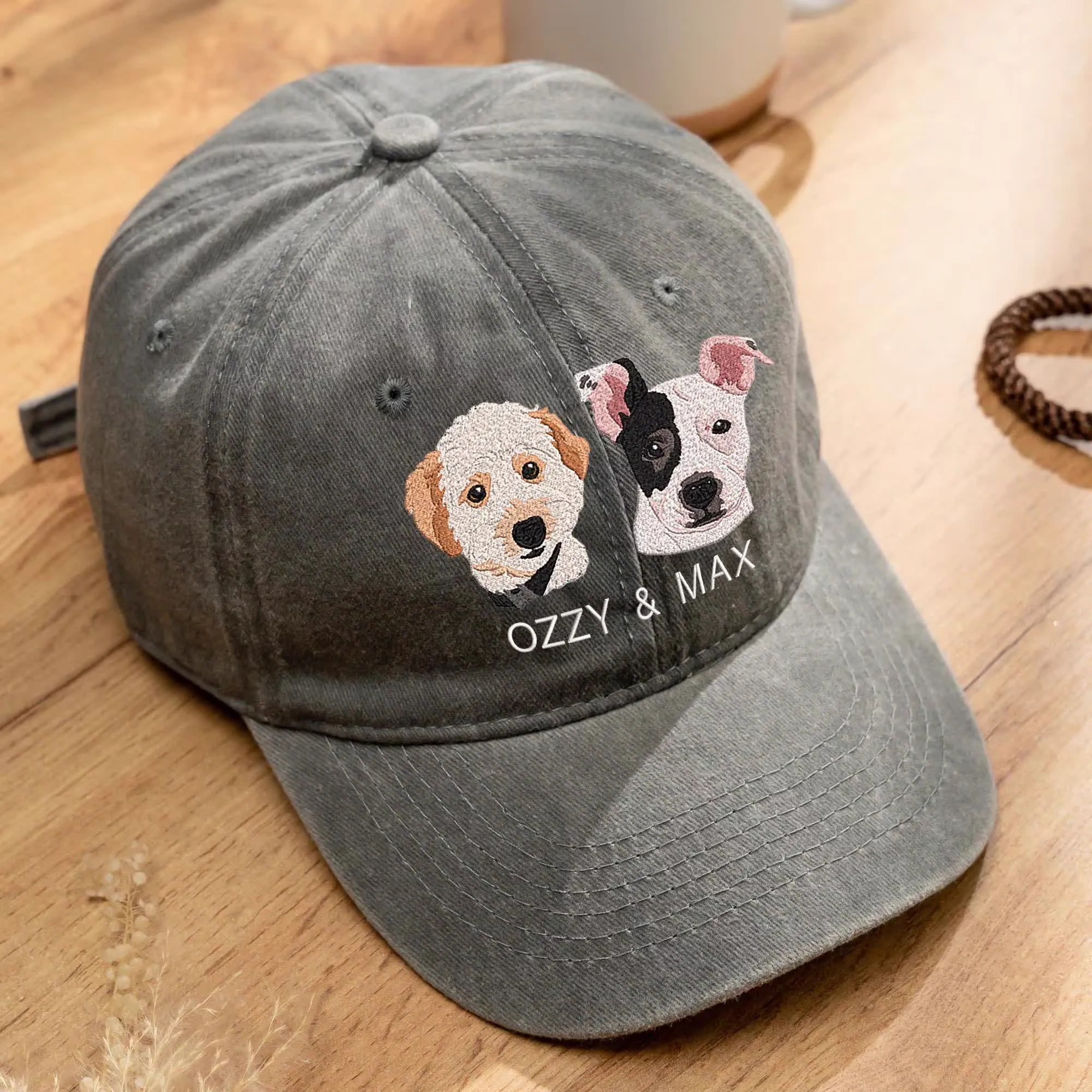
The custom logo merchandise collection helps buyers compare products where logo position, method, and visibility are central to the purchase decision.
Screen printing, embroidery, UV printing, laser engraving, debossing, woven labels, and heat transfer all behave differently. The supplier should explain which method is suitable for the material and order quantity.
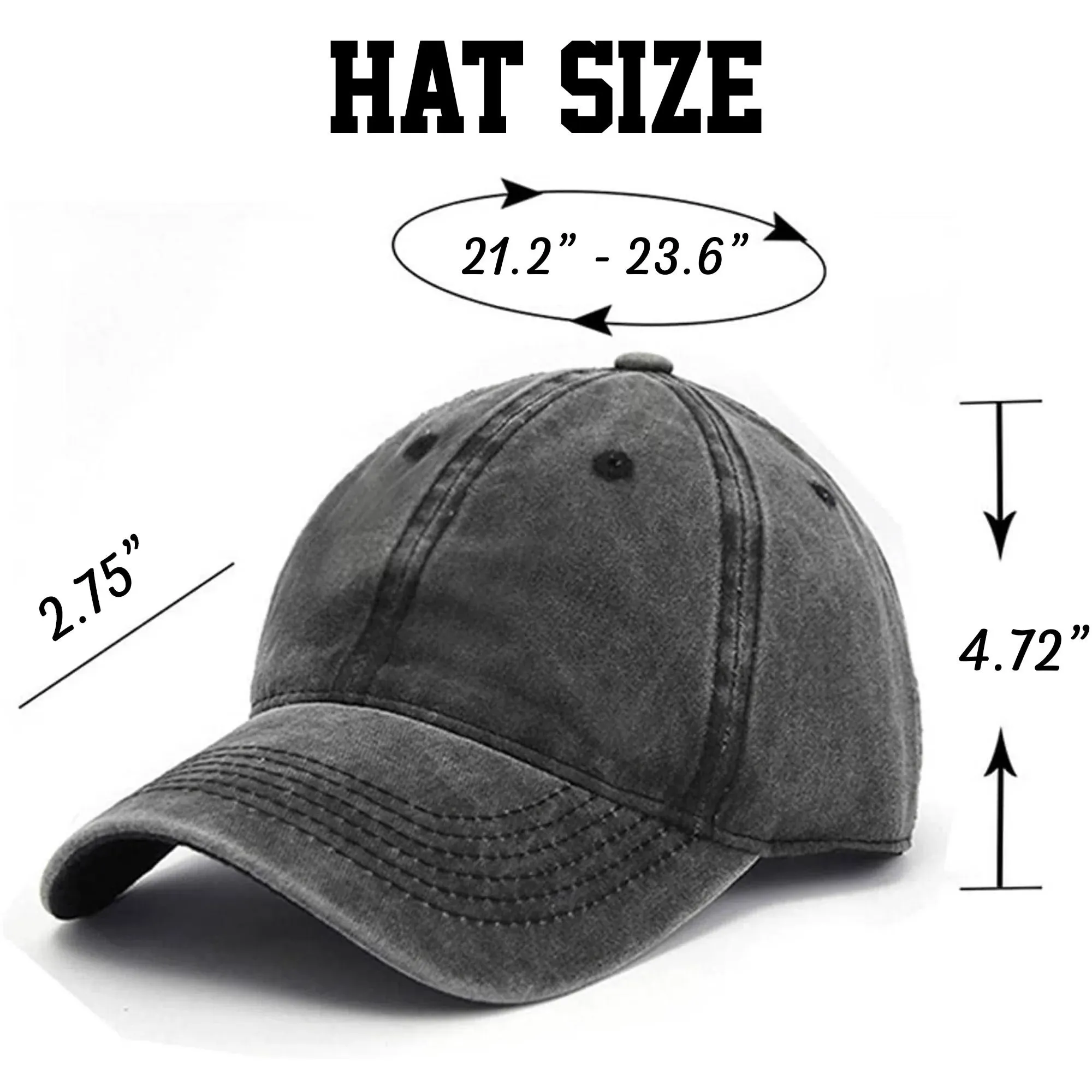
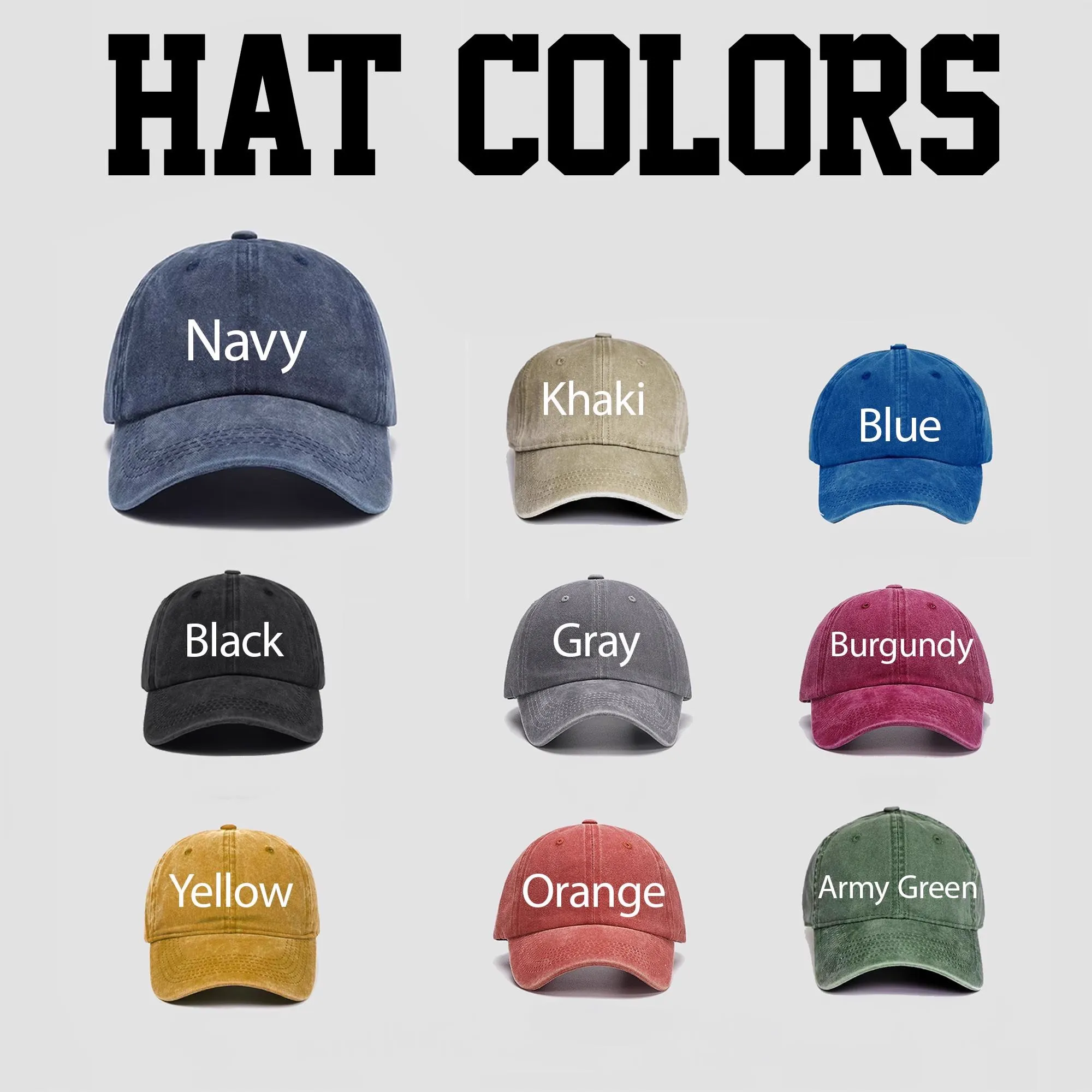
For apparel, hats, bags, drinkware, and small accessories, the full custom product catalog is useful for comparing logo areas and product surfaces.
A sample should confirm logo readability, colour, placement, product finish, label position, and packaging. If the sample only checks the base product, the logo risk remains open.
When the logo item is part of a booth or campaign kit, connect it with the trade show giveaways collection to check deadline and packing assumptions.
Artwork should be reviewed as a production file, not only as a brand image. The factory needs the file format, logo size, colour references, placement area, material surface, and durability expectation. A logo that looks good on screen may need line thickness, colour count, or placement changes before it can be printed, embroidered, engraved, or debossed cleanly.
Use the sample stage to approve logo readability, colour matching, edge quality, placement tolerance, and packed appearance. These checkpoints help prevent bulk orders where the base product is acceptable but the branding fails the campaign purpose.
For custom product orders, the strongest supplier conversations separate the product idea from the production assumptions. Buyers should confirm material, size, logo position, colour tolerance, packaging, carton marks, inspection scope, destination country, and delivery deadline before comparing final quotes. This prevents two common problems: choosing a low price that excluded important work, or approving a sample that does not represent the packed bulk order.
A practical review also includes risk ownership. The buyer should know which files are required before sampling, which details can change MOQ or lead time, which documents may be needed for the destination market, and which photos or inspection records should be collected before shipment. These checks make the order easier to repeat and reduce late changes after the purchase order is approved.
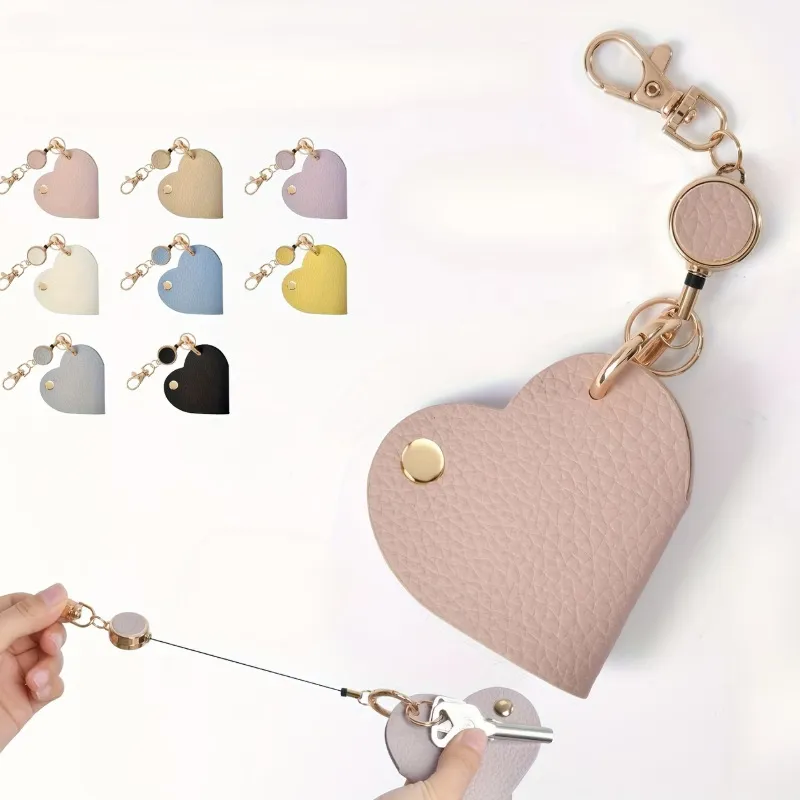
Logo merchandise quote quality depends on artwork format, logo method, material, quantity, sampling, and packing assumptions.
Vector files such as AI, EPS, or PDF are best because the factory can scale and adapt the logo without losing clarity.
No. The best logo method depends on material, surface shape, order quantity, colour count, and expected durability.
Yes. Logo size, colour, placement, and readability should be approved through a sample or production proof.
Send your logo file, product reference, quantity, and packing needs for artwork feasibility review.
Data verified as of 2026-06-12. MOQ, lead time, packaging, and compliance scope should be confirmed against the actual order before purchase order approval.
Decision closure
Use the next step that matches your buying stage.
Go to product category hubs to compare product families before choosing a sourcing route.
Go to custom products for startups under 500 units to check low-MOQ order logic before asking for bulk pricing.
Go to the custom product brief form to send artwork, quantity, packaging, and destination details for review.