If you are still choosing the right product category
Go to product category hubs to compare product families before choosing a sourcing route.
Marketplace sourcing is useful for discovery, but factory-direct sourcing is stronger when the buyer needs repeatable custom products, private packaging, controlled samples, and clear bulk production assumptions.
Custom products often start with marketplace discovery. Buyers compare images, styles, and rough prices. But when the order needs logo placement, packaging, sample approval, and repeatability, the sourcing process has to move beyond a catalog listing.
Marketplaces help buyers understand style, product type, and rough market expectations. They are less reliable when the buyer needs a controlled production standard and clear packing instructions.
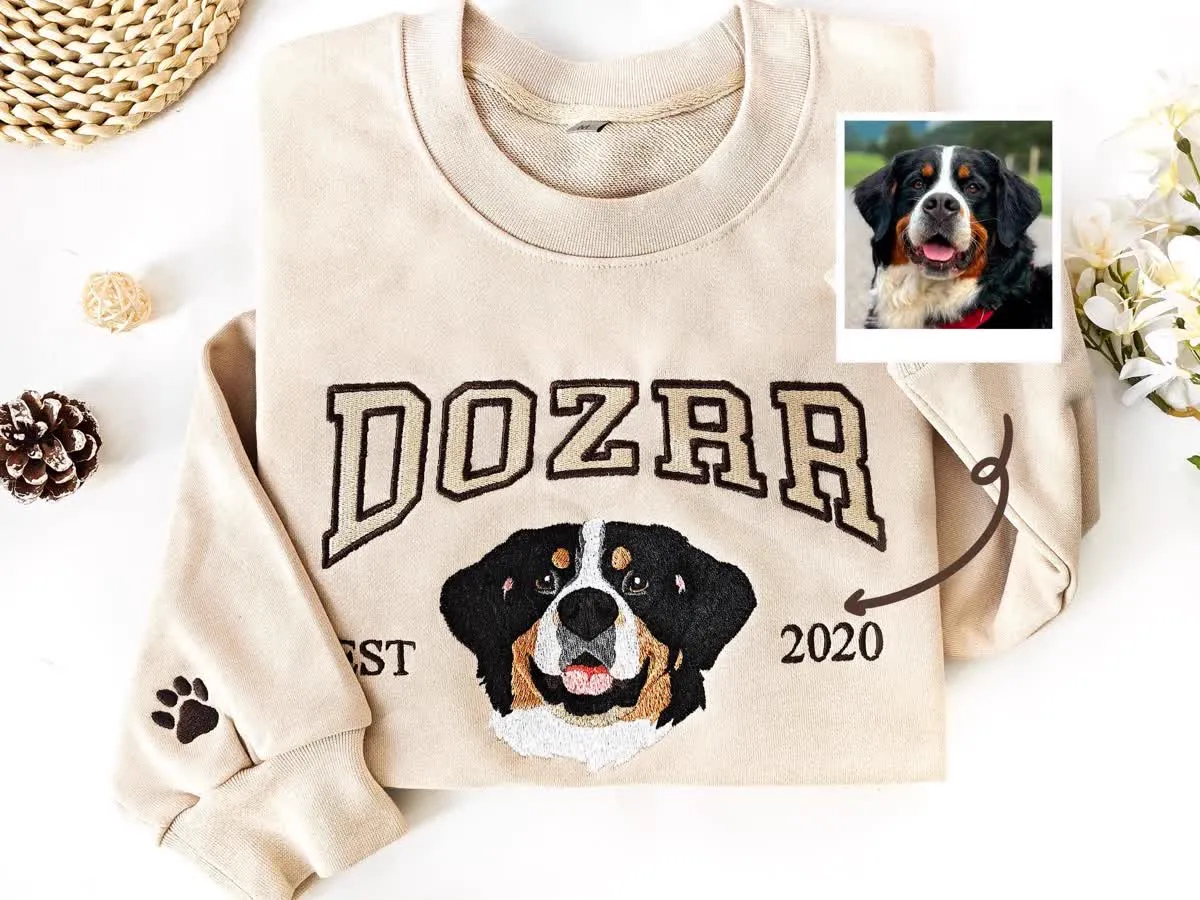
The CustomInChina collections organize products by buyer goal so buyers can discover ideas without losing the B2B sourcing path.
Factory-direct sourcing is better when the buyer needs to confirm material, size, logo method, label placement, packaging, carton marks, and inspection before bulk production.
For custom products that need labels and retail presentation, the private label ready collection is a practical bridge between product discovery and RFQ preparation.
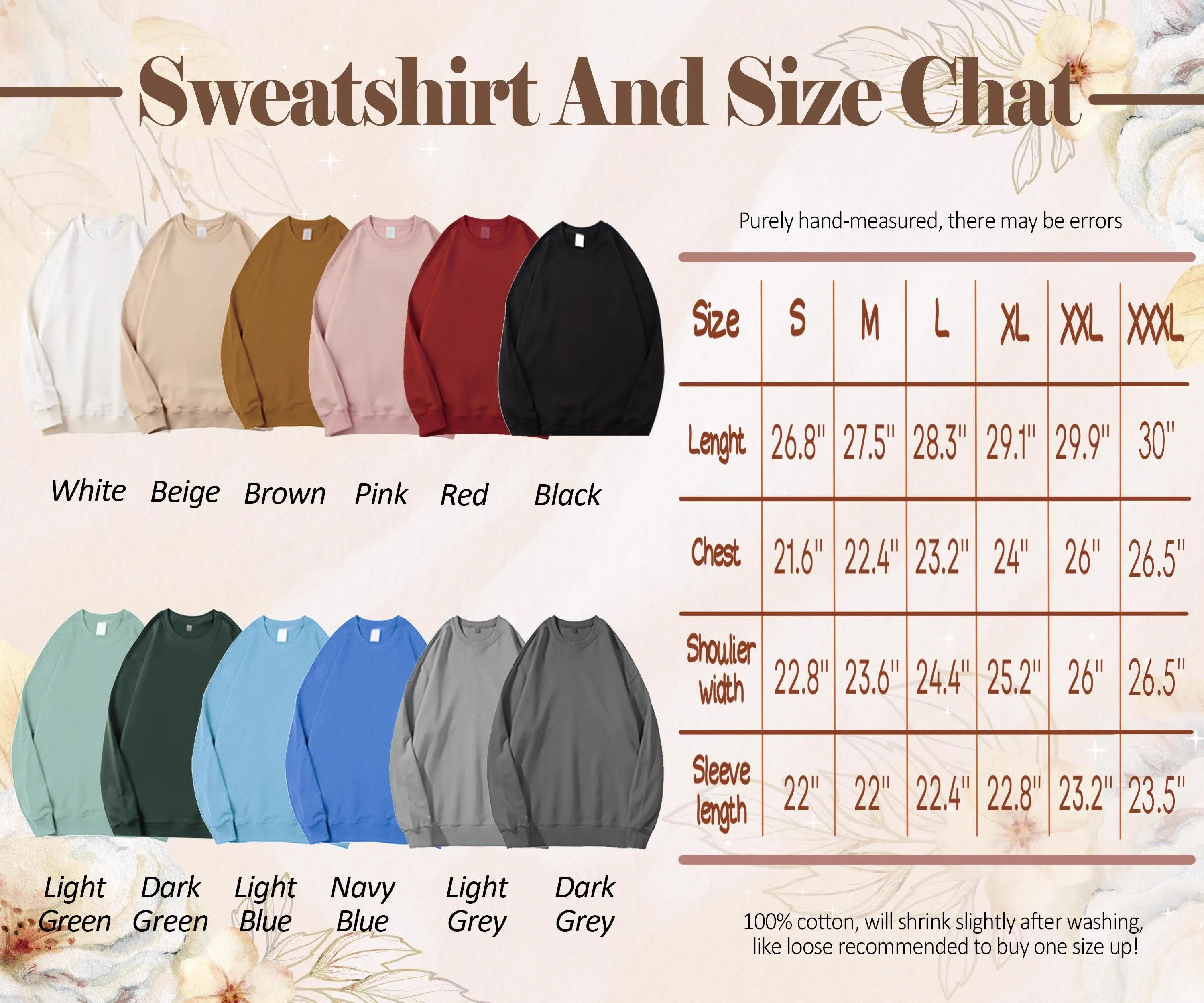
The first approved sample should become the repeat order reference. Buyers should save product photos, packing photos, label files, carton marks, and inspection points.
Small brands can start with the small business custom products collection before moving into more complex SKU programs.
Marketplaces are useful for finding product ideas and broad price signals, but custom production needs a controlled specification. Once the buyer has selected a direction, the next step is to document material, size, logo method, colour, packaging, carton marks, sample approval, and inspection requirements.
Factory-direct communication is strongest when the buyer needs repeat orders, private label packaging, or consistent SKU standards. Keep the approved sample and packing details as the reference for reorders so the second batch does not depend on screenshots or memory.
For custom product orders, the strongest supplier conversations separate the product idea from the production assumptions. Buyers should confirm material, size, logo position, colour tolerance, packaging, carton marks, inspection scope, destination country, and delivery deadline before comparing final quotes. This prevents two common problems: choosing a low price that excluded important work, or approving a sample that does not represent the packed bulk order.
A practical review also includes risk ownership. The buyer should know which files are required before sampling, which details can change MOQ or lead time, which documents may be needed for the destination market, and which photos or inspection records should be collected before shipment. These checks make the order easier to repeat and reduce late changes after the purchase order is approved.
Factory-direct sourcing is strongest when the buyer needs repeatability, packaging control, sample approval, and clear bulk assumptions.
Not always. It can reduce middleman markup, but final cost depends on MOQ, customization, packaging, sample work, and shipping.
Use marketplaces for idea discovery and broad style comparison, then move to controlled supplier communication for custom production.
A repeatable product has documented material, size, colour, logo method, packing, labels, carton marks, and inspection standards.
Send your marketplace reference and target custom requirements for factory-direct review.
Data verified as of 2026-06-12. MOQ, lead time, packaging, and compliance scope should be confirmed against the actual order before purchase order approval.
Decision closure
Use the next step that matches your buying stage.
Go to product category hubs to compare product families before choosing a sourcing route.
Go to custom products for startups under 500 units to check low-MOQ order logic before asking for bulk pricing.
Go to the custom product brief form to send artwork, quantity, packaging, and destination details for review.