If you are still choosing the right product category
Go to product category hubs to compare product families before choosing a sourcing route.
Sea freight is the right default for custom bags in bulk: it costs a fraction of air freight and, for a bag order that is not urgent, the extra 3-5 weeks of transit is the cheapest part of the whole project. Air freight makes sense for samples, small reorders, and any order with a hard deadline where the product value justifies the freight. The decision is driven by packed volume - bags are light but bulky, so freight is charged on dimensional weight - and by whether the deadline is fixed (event, launch, season) or flexible.
| Dimension | Sea freight | Air freight | Express (DHL/FedEx/UPS) |
|---|---|---|---|
| Transit time | 3-5 weeks | 3-7 days | 2-5 days |
| Cost | Lowest; usually priced by volume | Medium; charged by dimensional weight | Highest; charged by dimensional weight |
| Best for | Large orders without urgent deadlines | Medium orders with fixed deadlines | Samples and urgent small orders |
| Door-to-door handling | Needs port and customs coordination | Needs customs coordination | Usually door to door |
| Main risk | Port congestion and peak-season delays | Rate swings and capacity | Expensive dimensional weight |
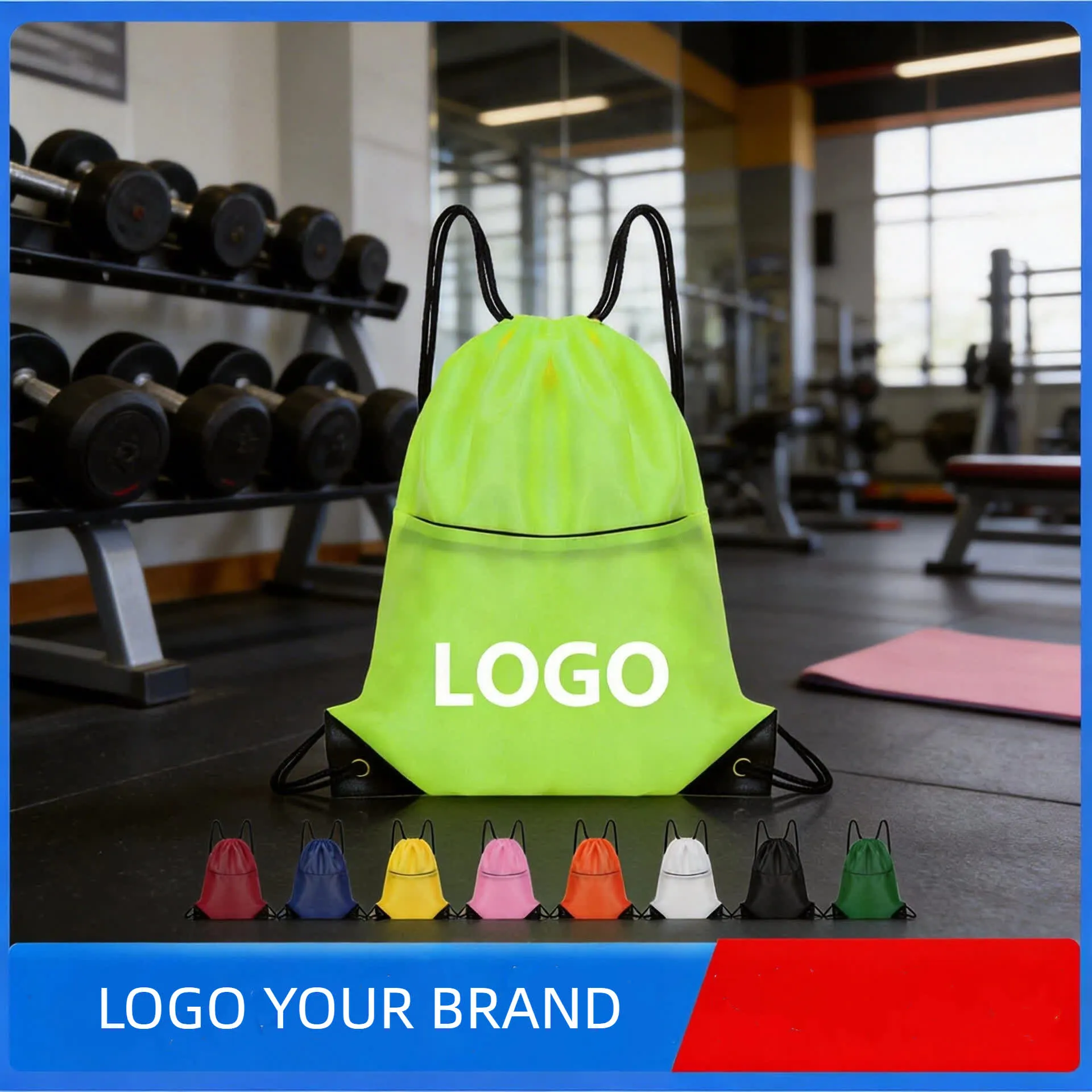
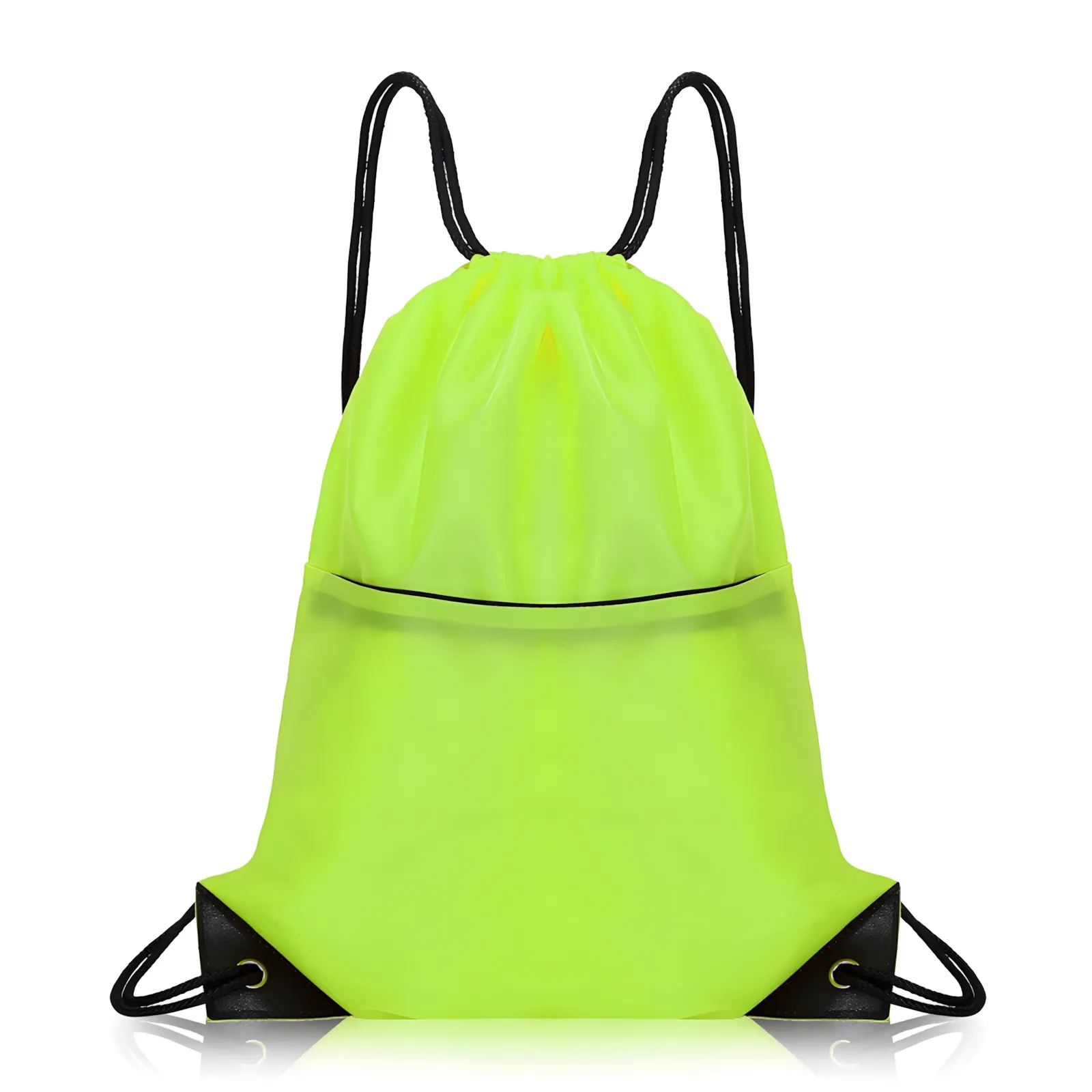
For a standard custom drawstring backpack order, sea freight per unit drops dramatically once the order fills or nearly fills a pallet or LCL block. The custom 210D waterproof drawstring backpack page shows current specifications for a typical bag order.
The best freight method for custom bags is not chosen by habit. It is chosen by deadline, packed volume, product margin, and inventory plan. A buyer should not ask "Is air freight cheaper than sea freight?" because the answer is almost always no for bulk bags. The better question is "Does the deadline or sales value justify paying for speed?"
If the order supports a planned inventory launch, replenishment, or seasonal stock build with enough lead time, sea freight is usually the correct route. The unit freight cost is lower, and custom bags are often ordered in quantities large enough to make sea freight efficient. The tradeoff is time and coordination. The buyer must plan customs, port handling, inland delivery, and warehouse receiving.
If the order is for an event, product launch, retail campaign, or urgent stockout, air freight can be justified. Air freight protects time, but it can damage margin if the product is low cost and bulky. For lightweight bags, the chargeable weight may be much higher than the physical weight, so the freight bill can surprise first-time buyers.
Express courier is best for samples, sales samples, small urgent batches, and replacement goods. It is simple because it is usually door to door, but it is rarely economical for larger bulk orders. Express is also useful when the buyer needs product photos, marketplace testing, or approval samples before committing to the full order.
The margin test is simple. Add product cost, packing, freight, duty, customs handling, inland delivery, and any storage or marketplace receiving cost. Then compare the landed cost to the selling price or campaign value. If air freight turns a profitable order into a break-even order, sea freight or a split shipment should be considered.
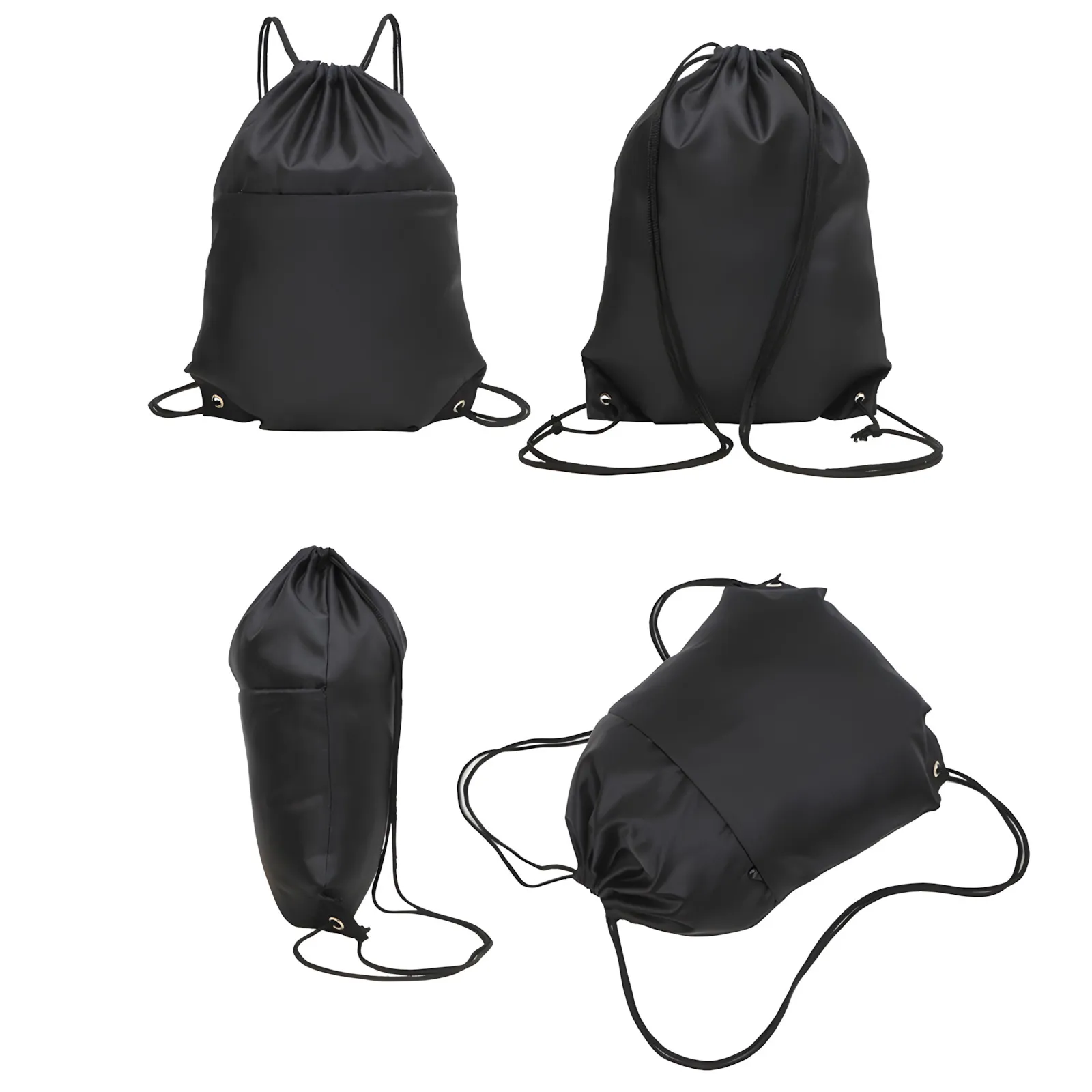
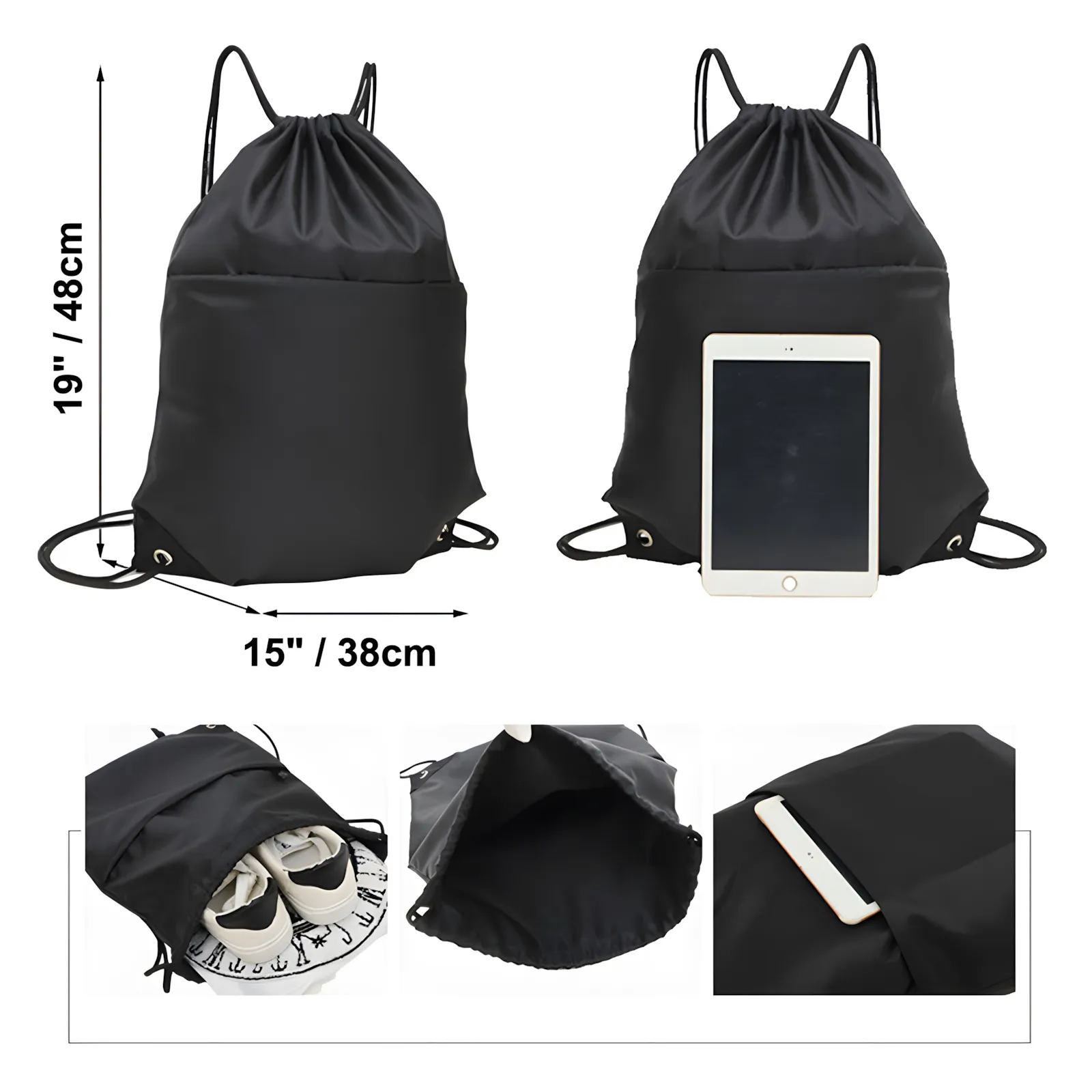
Different bags pack differently. A drawstring backpack, cotton tote, insulated cooler bag, structured backpack, and duffel bag do not create the same freight profile. Buyers should ask for packed carton dimensions by bag type before comparing freight.
| Bag type | Packing behavior | Freight note |
|---|---|---|
| Drawstring backpack | Folds very flat | Usually efficient by sea, air, or express |
| Non-woven tote | Folds flat but can be bulky at volume | Sea freight is best for bulk promotions |
| Cotton canvas tote | Folds flat, heavier than non-woven | Sea for bulk, air for urgent retail restock |
| Insulated cooler bag | Thicker material and more volume | Sea strongly preferred for quantity |
| Backpack with padding | More structure and air space | Dimensional weight becomes important |
| Duffel or travel bag | Large packed volume | Sea freight or split shipment planning needed |
| Gift bag with packaging | Product plus retail pack volume | Packaging may drive freight more than the bag |
The more structure a bag has, the more freight planning matters. A flat drawstring bag can be packed tightly. A padded laptop backpack needs shape protection and cannot be compressed as aggressively. An insulated cooler bag contains foam and thicker layers, so it often fills cartons quickly even when physical weight is low.
Buyers should also consider whether the bag will be individually poly-bagged, retail packed, or bulk packed. Individual bags and hang tags may be required for e-commerce or retail, but they add handling and sometimes volume. A retail-ready carton can be more expensive to ship than a bulk-packed carton even if the product is identical.
Bags are light but take up space, so carriers charge air and express freight on dimensional weight - the volume of the packed cartons, not the physical weight. The rule: fold and pack bags as flat as possible, remove air, and confirm the packed carton size with the supplier before comparing freight quotes. A bag that folds flat can ship at half the cost of one shipped puffed.
Dimensional weight is the carrier's way of charging for space. A carton of bags may weigh 12 kg physically but occupy enough space to be charged as 30 kg or more. This is common with bags because fabric and soft goods contain air when packed loosely. Air and express carriers care about aircraft space, not only scale weight.
The buyer does not need to calculate every formula manually, but the buyer must get the correct carton data. Ask the supplier for carton length, width, height, gross weight, net weight, and quantity per carton after final packing is confirmed. Do not rely on an early estimate from before sample approval. Packing method, poly bags, inserts, and carton size can change the final chargeable weight.
For sea freight, volume still matters because LCL and container loading are based heavily on cubic meters. A shipment that looks small by weight may take a surprising amount of space. For FCL, carton dimensions affect how efficiently the container can be loaded. For LCL, volume affects the freight charge directly.
Sea freight is not one single method. Most custom bag orders use either LCL or FCL. LCL means less than container load. The goods share container space with other shipments and are charged by volume. FCL means full container load. The buyer pays for the container and uses the space for the order.
LCL works well for medium-size orders that are too large for air but not large enough to fill a container. It is common for importers, e-commerce sellers, and distributors building inventory. The cost per unit is usually much lower than air, but handling is more complex because the goods move through consolidation and deconsolidation.
FCL works when the order volume is high enough to fill a 20-foot or 40-foot container, or when the buyer wants more control over handling. For bags, FCL may become attractive for very large promotional programs, retail replenishment, or multi-product shipments. It can reduce per-unit freight and reduce handling compared with LCL.
The buyer should ask the forwarder whether the shipment is better as LCL, FCL, or consolidated with other goods. The answer depends on total cubic meters, destination, timing, and current freight rates. A shipment close to container volume may be more efficient as FCL than LCL, even if the container is not perfectly full.
Air freight is a tool for time control. It should be used when the deadline is fixed and the value of arriving on time is higher than the extra cost. It is common for launch inventory, event goods, urgent retail restocks, or a limited top-up when sea freight will arrive too late.
Express courier is the simplest fast option. It usually includes pickup, air movement, customs processing support, and delivery. For samples and small cartons, express is practical. For dozens of cartons, express can become very expensive because every carton is charged by dimensional weight.
A split shipment is often the best compromise. The buyer can ship most of the order by sea and a smaller quantity by air or express. The air portion covers launch, event, or urgent sales demand. The sea portion protects margin. This strategy works well when a buyer needs early inventory but can wait for the full stock.
When planning a split shipment, tell the supplier before packing. The air portion may need different carton labels, smaller cartons, priority packing, or different commercial documents. If the buyer decides to split after all cartons are packed, the factory may need to reopen cartons and repack, which adds time and risk.
Packing is one of the few freight variables the buyer can control. The same bag can produce a different freight cost depending on folding method, carton size, poly bag choice, and whether the carton is compressed. For drawstring bags, totes, and flat shopping bags, folding tightly can reduce volume substantially. For structured backpacks and cooler bags, over-compression may damage the shape, padding, zipper, or insulation.
Vacuum packing can reduce carton volume for some fabric bags, but it should be sampled. It may create wrinkles, deform padded panels, or affect printed decoration if pressure is too strong. For retail bags, vacuum packing may not be acceptable because the product needs to look clean when received. For bulk promotional giveaways, it may be practical if the buyer accepts some unpacking time.
Carton strength also matters. Sea shipments experience stacking pressure and longer transit. Weak cartons can collapse, especially if packed with soft goods that compress. Ask for carton material and gross weight limits if the order is large or if cartons will be stacked in storage.
For palletized shipments, confirm whether pallet dimensions and height limits affect cost. Some destinations or warehouses have pallet requirements. A shipment that is efficient loose may not be efficient once palletized. If the buyer uses a 3PL, ask for receiving rules before packing is finalized.
Landed cost should include every cost from factory to final receiving point. The freight quote alone is not enough. A buyer comparing supplier quotes should ask what is included and what is excluded. FOB may look lower because the buyer or forwarder handles freight and destination charges. DDP may look higher because the supplier includes duty, customs, and final delivery.
Incoterms affect control. FOB gives the buyer more control over forwarder choice and freight visibility. CIF includes ocean freight to the destination port but may still leave destination charges and inland delivery to the buyer. DDP is simpler for buyers who want door delivery and less customs handling, but the supplier prices risk into the quote.
Duty and HS code matter for bags. Different materials and uses can fall under different classifications. A cotton tote, non-woven shopping bag, insulated cooler bag, and backpack may not share the same duty treatment. The buyer should confirm with a customs broker if the order value is significant.
Insurance should not be skipped for sea freight. The premium is usually small compared with the cargo value. It protects against loss or damage during transit, but it does not replace good packing or accurate documentation.
Sea: production (weeks) + transit (3-5 weeks) + customs and inland delivery (days to weeks). Air: production (weeks) + transit (days) + customs (days). For a fixed event date, work backward and add a buffer - the common failure is planning production time but forgetting transit.
A realistic schedule starts with the required arrival date, not the factory ship date. If bags are needed for a trade show, warehouse launch, school program, or retail campaign, the buyer should work backward from the date when goods must be available for use, not the date when goods leave China.
The schedule should include artwork approval, sample production, sample shipping, sample approval, bulk production, inspection, packing, export documents, freight booking, international transit, customs clearance, inland delivery, and receiving. If any part is missing from the schedule, the buyer is carrying hidden risk.
Peak season needs extra buffer. Before holidays, freight capacity tightens and rates can change quickly. Port congestion, customs exams, carrier delays, and warehouse receiving appointments can stretch the plan. For event bags, a split shipment may protect the deadline: send a smaller quantity by air for the event and the balance by sea for later use.
| Situation | Recommended freight plan | Reason |
|---|---|---|
| Large bulk order with flexible deadline | Sea freight | Lowest landed cost per unit |
| Medium order needed soon | Air freight or sea plus air split | Protects date while controlling cost |
| Samples or sales samples | Express | Fast and simple door-to-door handling |
| Event deadline within two weeks after production | Air or express | Sea freight is too risky |
| Retail replenishment with planned inventory | Sea freight | Better margin and inventory economics |
| High-value bags with urgent launch | Air freight | Product value may justify speed |
| Low-cost bulky giveaway bags | Sea freight | Air freight may exceed product cost |
| Uncertain demand before a campaign | Split shipment | Early small batch plus economical bulk |
Freight QC is not separate from product QC. If the bag is perfect but packed badly, the buyer still receives a problem. Before shipment, inspect carton quantity, carton dimensions, gross weight, labels, packing list, and whether the cartons match the freight quote. If the supplier quoted one carton size but packed into a larger carton, the freight cost can change.
For sea freight, moisture protection is important. Bags are textile or soft goods and may absorb odor or moisture if cartons are exposed to poor conditions. Poly-lined cartons, desiccants, or pallet wrap may be useful depending on product type and route. For printed bags, check that ink or transfer surfaces do not stick together under pressure or heat.
On arrival, open several cartons before accepting the shipment into inventory. Check carton damage, dampness, odor, crushed packaging, and SKU counts. Document problems with photos, carton numbers, and delivery notes. Fast documentation helps with insurance, supplier discussion, or freight claims.
To compare freight accurately, ask the supplier or forwarder for exact packed data. A useful request includes:
| Data point | Why it matters |
|---|---|
| Carton length, width, and height | Determines volume and dimensional weight |
| Gross weight per carton | Needed for air, express, and customs documents |
| Quantity per carton | Helps calculate total cartons and receiving plan |
| Total carton count | Needed for freight quote and warehouse planning |
| Packing method | Affects volume, product condition, and retail readiness |
| Incoterm | Defines who handles freight, duty, and risk |
| Destination address or port | Freight depends on final route |
| Required arrival date | Determines whether sea, air, or split shipment is realistic |
| HS code suggestion | Helps estimate duty and customs requirements |
Do not accept a freight quote based only on product photos or unit dimensions. Packed carton data is the real basis. If the supplier does not have final carton data yet, ask for a provisional estimate and then require confirmation before shipment.
Imagine two custom bag orders with the same product price. The first order is a flat drawstring bag packed tightly with 200 pieces per carton. The second is a padded cooler bag packed with only 40 pieces per carton. The second order may weigh only a little more, but it occupies far more space. Air freight on the cooler bag can become several times more expensive per unit.
Now imagine the buyer needs 2,000 pieces for an event. If the drawstring bag order can ship by air within budget, the cooler bag order may still need sea freight or a split plan. This is why freight decisions should be made after carton data is known, not from product category alone.
For e-commerce sellers, carton volume also affects storage and receiving. A product that is cheap to buy but bulky to store may reduce margin after warehouse fees. A compact folding method can improve freight cost and warehouse efficiency at the same time.
When contacting us, include:
Best for buyers reviewing freight and logistics comparison, related SKU images, RFQ details, MOQ, sampling, packaging, QC, and shipment planning from China.
Sea freight is dramatically cheaper per unit for bulk orders; air freight costs far more but saves weeks. For bags, which are light and bulky, sea freight is the normal choice unless the deadline forces air.
Carriers charge on volume for light cargo. Bags take up space but weigh little, so dimensional weight usually exceeds physical weight. Packing bags flat and confirming carton sizes reduces this cost.
Typically 3-5 weeks from port to port depending on the lane, plus customs and inland delivery. Peak season can stretch both transit and rates.
Send your artwork, target quantity, packing needs, destination country, and deadline to quote shipping custom bags from China with clear factory assumptions.
Data verified as of 2026-08-04. MOQ, lead time, packaging, and compliance scope should be confirmed against the actual order before purchase order approval.
Decision closure
Use the next step that matches your buying stage.
Go to product category hubs to compare product families before choosing a sourcing route.
Go to custom products for startups under 500 units to check low-MOQ order logic before asking for bulk pricing.
Go to the custom product brief form to send artwork, quantity, packaging, and destination details for review.